
How To
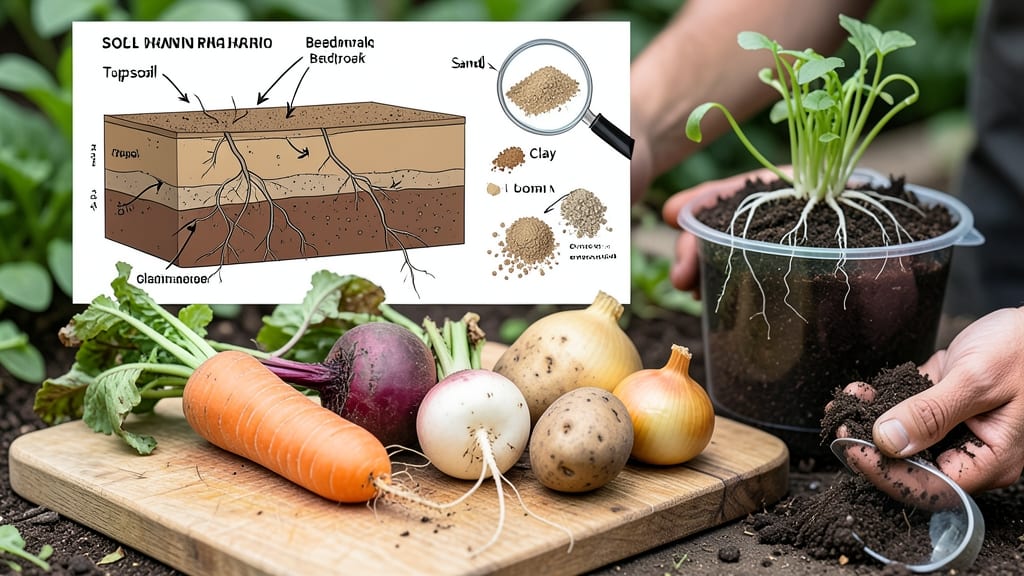
Soil is used for supporting plant growth by providing essential nutrients, water retention, and root anchorage while also regulating temperature and filtering pollutants in ecosystems. Healthy soil fosters biodiversity and sustains agricultural productivity worldwide.
Soil isn't just dirt—it's a living ecosystem that acts as nature's foundation for life. 🌱 The minerals and organic matter in soil supply plants with nitrogen, phosphorus, and potassium, the trio known as NPK, which are essential for healthy growth.
What's fascinating is how soil also acts as a natural air conditioner, keeping roots cool in summer and insulated in winter. Plus, it filters rainwater, breaking down pollutants before they reach groundwater.
Beyond growing crops, soil plays a starring role in preventing erosion and storing carbon—critical for fighting climate change. I've seen how urban gardens use compost to revive depleted soil, proving that even small patches can make a big difference.
The right soil type, whether sandy, clay, or loamy, determines what plants thrive there, making soil science both an art and a science.
💡 In This Article
- How Soil Supports Plant Growth Mechanically and Nutritionally
- Beyond Gardens: Soil’s Critical Roles in Agriculture and Environmental Health
How soil supports plant growth mechanically and nutritionally
Soil acts like a living sponge for plants, providing both physical support and a nutrient-rich environment. The tiny air pockets between soil particles allow roots to breathe—critical for oxygen uptake—while the organic matter and minerals supply essential elements.
For example, nitrogen fuels leafy growth, phosphorus strengthens roots, and potassium regulates water flow. A single gram of healthy soil can contain billions of microbes that break down organic material, releasing these nutrients in forms plants can absorb.
The texture of soil determines how well it retains water and nutrients. Sandy soil drains quickly but lacks moisture retention, while clay holds water too tightly, suffocating roots.
The ideal balance is loamy soil—about 40% sand, 40% silt, and 20% clay—which crumbles easily and supports both aeration and water storage.
This structure also helps regulate temperature: dark organic matter absorbs heat during the day while releasing it slowly at night, creating a stable microclimate for roots.
Microbial activity is where the magic happens. Fungi and bacteria form symbiotic relationships with plants, trading nutrients for sugars produced through photosynthesis. Mycorrhizal fungi, for instance, extend root systems by up to 100 times their original length, giving plants access to water and nutrients far beyond their reach.
Without these microscopic partners, many plants would struggle to survive—even in nutrient-rich soil. 🌱
Water retention is another critical function. Soil particles attract and hold water molecules through capillary action, ensuring plants have a steady supply even during dry spells. A well-structured soil can hold 20-30% of its weight in water—enough to sustain crops through droughts.
The organic matter also acts like a sponge, swelling when wet and shrinking when dry, which helps maintain soil structure over time.
Different plants thrive in different soil conditions. Tomatoes, for example, prefer well-draining soil with a pH of 6.0-6.8, while blueberries need acidic soil (pH 4.5-5.5) to access iron and other nutrients.
The right soil composition isn't just about fertility—it's about creating the perfect environment for roots to anchor, breathe, and absorb everything they need to grow strong.
What's often overlooked is how soil filters and cleans water. As rainwater percolates through layers of soil, natural processes like adsorption and microbial breakdown remove harmful chemicals and heavy metals. This filtration system protects groundwater and ecosystems downstream, making soil a vital part of the planet's water purification system. 💧