
Light Requirements
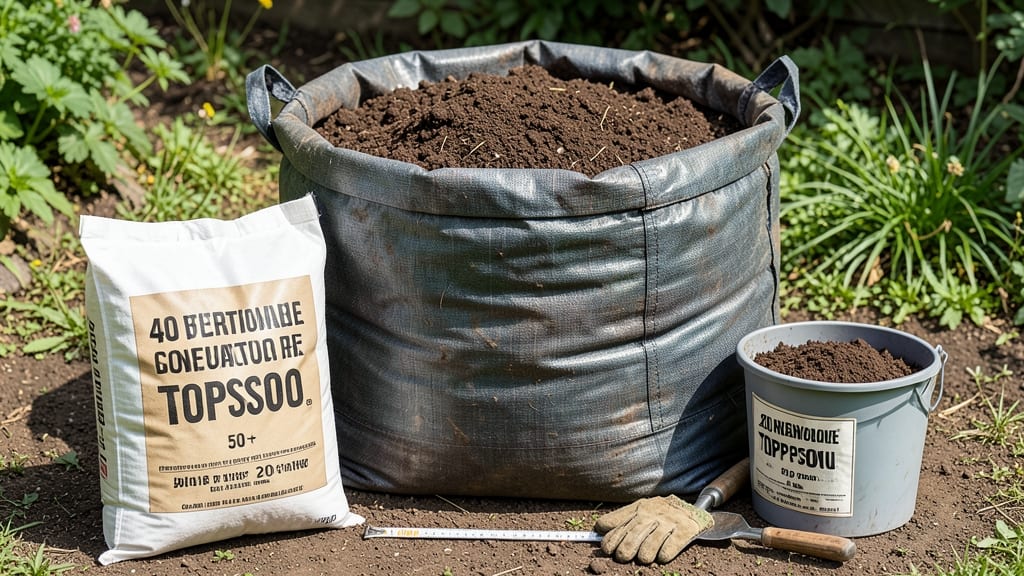
A standard bag of topsoil usually holds 1 to 3 cubic feet, with weights ranging from 20 to 50 pounds, but exact amounts depend on the brand and moisture level—always verify the label before buying for your yard work.
A bag of topsoil's volume and weight can vary more than you'd expect. 🌱 The 1 to 3 cubic feet range accounts for how loosely or densely the soil is packed, while the 20 to 50 pounds reflects moisture content—drier soil weighs less but still covers the same area.
For instance, a 2-cubic-foot bag might weigh 30 pounds when fresh but drop to 25 pounds after drying out. This inconsistency is why gardeners often buy extra—especially when planning raised beds or large planting areas.
Most brands print both measurements to help you estimate coverage. A 1-cubic-foot bag typically spreads about 12 square feet in a 1-inch layer, while a 3-cubic-foot bag covers roughly 36 square feet the same depth.
Pro tip: If you're filling a 4x8-foot raised bed to a 6-inch depth, you'll need about 16 cubic feet—so plan for 6 to 8 standard bags to account for settling and uneven distribution.
💡 In This Article
- Topsoil Bag Sizes Explained: Cubic Feet vs. Weight
- How to Estimate Topsoil Needs for Your Garden
Topsoil bag sizes explained: cubic feet vs. weight
The cubic feet measurement tells you how much space the soil occupies, while the weight reflects how much actual material you're getting. This difference matters because soil isn't uniform—its density changes based on moisture content and compaction.
A 2-cubic-foot bag might weigh 30 pounds when freshly delivered (with higher moisture), but that same volume could drop to 25 pounds after drying out. This variability is why professional landscapers always check both metrics before purchasing.
Moisture content is the biggest factor affecting weight. Fresh topsoil contains about 20-30% water by weight, which adds significant heft. For example, a 1-cubic-foot bag of dry topsoil might weigh just 15 pounds, but the same volume when moist could reach 25 pounds.
Soil density also plays a role—sandy soils are lighter (about 70-80 pounds per cubic foot) while clay-heavy mixes can weigh 90-100 pounds per cubic foot. Brands list both measurements to help you visualize coverage while accounting for real-world conditions.
Understanding these measurements helps avoid common mistakes. Many gardeners assume a 3-cubic-foot bag covers 36 square feet at 1-inch depth, but if the soil is packed tightly, you might only get 30 square feet of coverage. The solution?
Calculate based on the lighter end of the weight spectrum and buy 10-15% extra to account for settling. For instance, a 4x4-foot raised bed filled to 12 inches needs about 16 cubic feet—so plan for 6-8 bags rather than 5.
Here's how to quickly estimate coverage: Multiply the area you're covering (in square feet) by the desired depth (in feet). For a 1-inch layer, divide by 0.083 (since 1 cubic foot = 12 square feet × 1 inch).
So a 100-square-foot area at 1-inch depth needs 12 cubic feet. This formula works because topsoil spreads predictably when level, though uneven ground may require 10-20% more material. Always check the label's coverage claim—some brands use loose-packed measurements while others assume settled volume.
One nuance to watch for is how brands package soil. Bulk bags (often sold in 50-100 pounds) are typically 2-4 cubic feet, but their weight-to-volume ratio differs from retail bags.
A 50-pound bulk bag might equal 3 cubic feet, while a 2-cubic-foot retail bag could weigh 35 pounds. This discrepancy explains why bulk purchases often seem more cost-effective per cubic foot. For precise projects like vegetable gardens, stick to labeled retail bags to avoid over- or under-estimating.
For visual reference, imagine a 1-cubic-foot bag as roughly the size of a small microwave. A 3-cubic-foot bag would be about twice as long—similar to a standard toolbox. When carrying, remember that weight distribution matters: a 40-pound bag feels heavier when concentrated in one spot.
Always lift with your legs and consider wearing gloves to protect your hands from the coarse texture. The right amount of soil makes all the difference in your garden's success!