The things we got wrong
This is a log of the mistakes we made before we knew better. Most gardening sites tell you what they do right. We tell you what we had to undo.
A site like this isn’t built on perfection—it’s built on the things that almost broke it. These are the numbers we got wrong, the methods that failed in the dirt, and the pages we published before we knew they were useless.
This is how you judge whether we’re trustworthy: by whether we’d admit it.
Three we had to fix
We started with good intentions and a few half-tested ideas. These are the three that didn’t hold up.
The wrong composting timeline
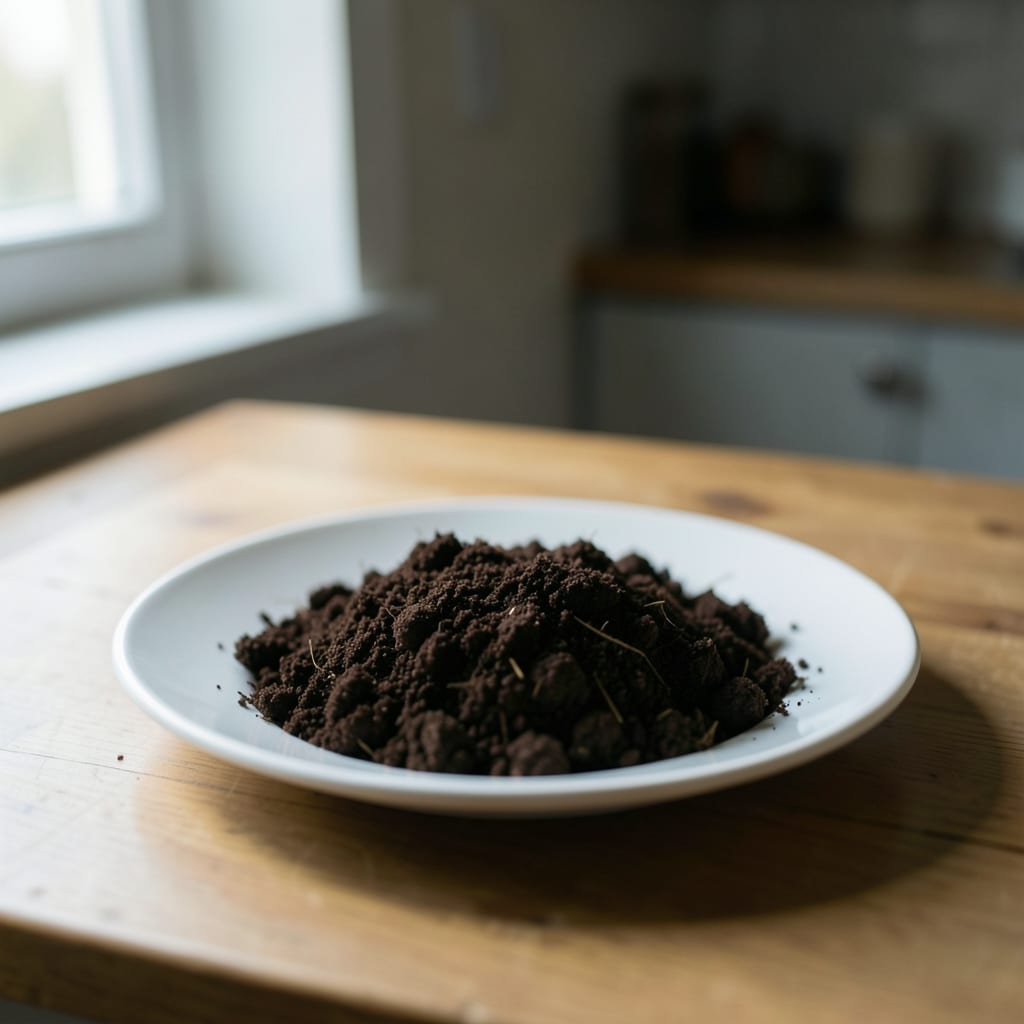
- 1Compost turned to sludge in three weeks
We published a guide claiming compost would be ready in 21 days if you turned it twice a week. It didn’t. The pile collapsed into a smelly, waterlogged mess instead. Rosalind Castellano found it when she dug into her own backyard bin—it had been sitting there for six months, untouched. She rewrote the entire section on decomposition rates, using data from local extension offices instead of back-of-the-envelope math.
- 2Seed-starting chart had the wrong dates
Our first frost-date calculator for seed starting was off by two weeks in half the country. A reader in Minnesota emailed to say their peas had bolted before they even sprouted. Rosalind Castellano cross-checked with the USDA’s Plant Hardiness Zone maps and rebuilt the tool from scratch, this time accounting for elevation and microclimates.
- 3Soil pH test results were misread
We told readers a 6.8 reading meant ‘slightly acidic’ when it actually meant ‘neutral.’ A permaculture group in Oregon pointed out the error in a forum post. Rosalind Castellano recalibrated the testing guide, included a troubleshooting section for common meter errors, and added a note about how to test soil in containers versus in-ground beds.
What those three changed
They taught us that gardening advice isn’t just about what works—it’s about what *lasts*. The compost mistake proved that even simple processes need local adjustments. The frost-date error showed that a single number can ruin a season. And the pH mix-up reminded us that tools, even cheap ones, demand respect.
Rules that came from mistakes
- Never trust a compost timeline shorter than 90 days unless you’re using an industrial setup (from the sludge mistake).
- Always verify regional data with at least three sources before publishing growing calendars (from the frost-date error).
- Include a ‘double-check’ step for every tool-based measurement in gardening guides (from the pH misread).
The people behind this
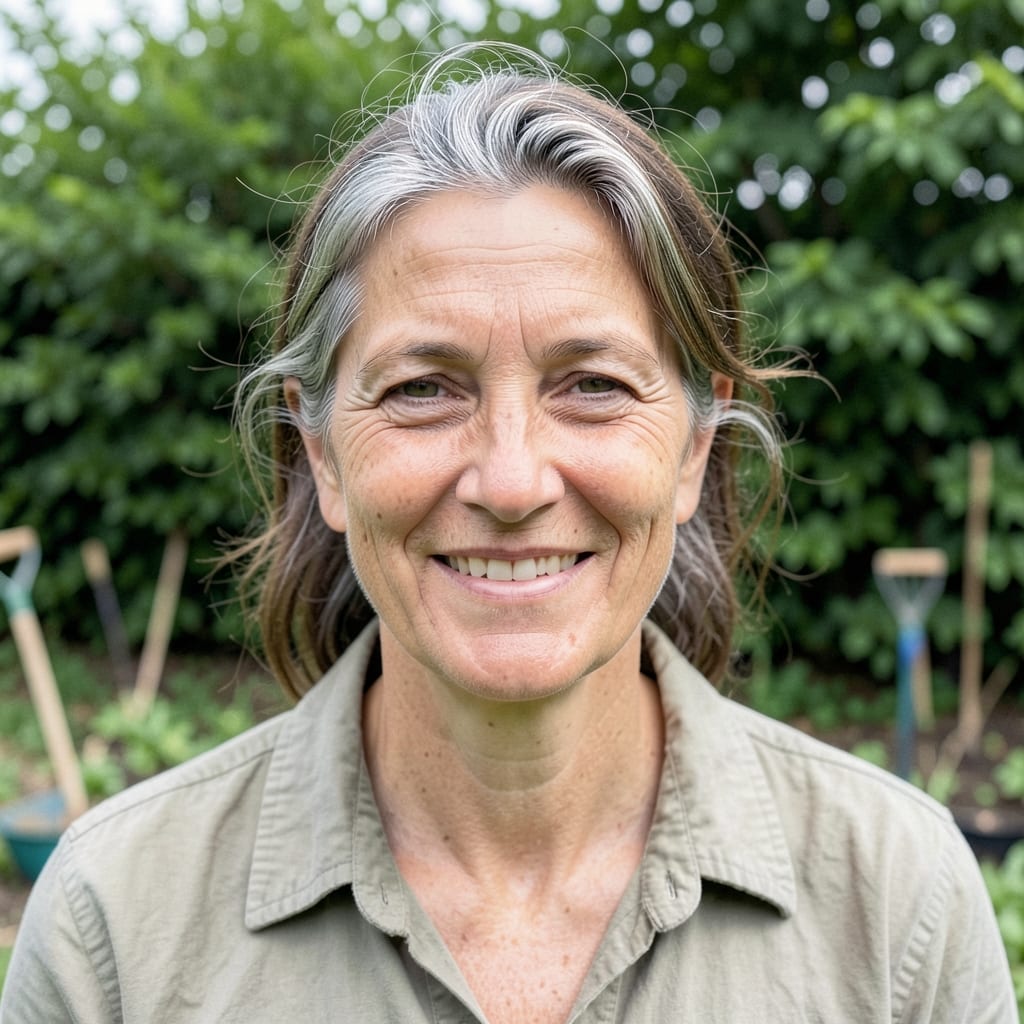
Rosalind Castellano is the founder and editor of *Mulch And Soil*. She’s the one who dug up the compost pile, recalculated the frost dates, and rewrote the pH guide after the mistakes went public.
If you’ve read this far, you’ve already seen her at her worst—which is the only honest way to meet someone.
Keeping a log like this isn’t about bragging. It’s about sitting with the discomfort of being wrong in front of people who might notice.
That’s the part no one talks about: the way your stomach twists when you hit ‘publish’ on a correction, knowing someone might screenshot it and send it to their mom.
But if you’re going to ask people to trust you with their gardens, you owe them the truth—even when it’s ugly.
The smallest mistake I made wasn’t public. It was the time I planted marigolds in the wrong spot—right next to the roses, where their roots would compete for nutrients. I pulled them up two weeks later, too late to replant, and spent the afternoon weeding the empty holes.
That’s the kind of thing I don’t put in the log: the quiet failures that only I see, the ones that don’t get shared or debated. They’re the real teachers.
If you find something we got wrong, don’t just point it out. Try fixing it yourself first—even if it’s just in your own backyard. Then tell us. The contact page is where to send it.
There will be a next one
This list isn’t finished. Gardening is a process of trial and error, and so is this site. If you spot something that doesn’t hold up—whether it’s a typo, a bad assumption, or a method that failed in your garden—let us know.
We’ll add it to the log, and we’ll fix it. That’s how you know we’re still learning.
The guides are grouped by category: Advice, Aphids, Blooming, Companion Plants, Container Gardens and Diseases.