Tools
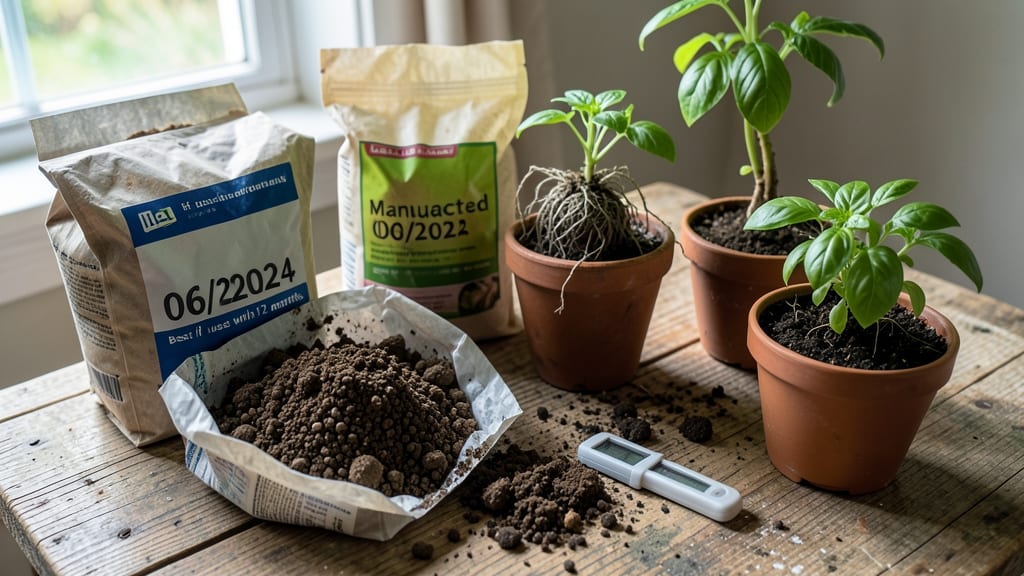
Potting soil does expire over time, typically losing effectiveness within 6 months to a year due to nutrient depletion and microbial breakdown, though unopened bags last longer. Check for mold, foul odors, or hardened clumps before use.
Yes, potting soil does expire, and the process starts the moment you open the bag. Over time, organic matter breaks down, which reduces its ability to hold moisture and provide nutrients. 🌱 This degradation happens faster in warm, humid conditions, so stored soil lasts longer in cool, dry environments.
For best results, I recommend using store-bought soil within 6 months and refreshing it with compost every few months to maintain plant health.
What many gardeners don't realize is that even unopened bags degrade—just more slowly. The plastic barrier slows oxidation, but moisture and temperature fluctuations still affect quality. Always check for signs of spoilage before repotting, as compromised soil can harm your plants more than help.
💡 In This Article
- How Potting Soil Degrades Over Time
- Signs Your Potting Soil Needs Replacement
How potting soil degrades over time
Potting soil loses its effectiveness primarily through two key processes: organic matter decomposition and microbial activity. The peat moss, compost, and bark in soil contain carbon-based materials that microbes break down into simpler compounds over time.
This decomposition releases nutrients like nitrogen and phosphorus, which plants absorb—but once depleted, the soil becomes less fertile. 🌱 For example, a bag of premium potting mix might start with 5-10% organic matter, but after 6 months, that number can drop to 2-3% as microbes consume it.
The breakdown also affects soil structure. Organic materials help create air pockets, improving aeration and moisture retention. As they decompose, the soil becomes denser, reducing oxygen flow to plant roots. This is why you might notice roots growing outward instead of downward—searching for air.
In extreme cases, the soil can compact into a hardened brick-like texture, especially if stored in a sealed container where moisture accelerates microbial activity.
Temperature and humidity accelerate this process. Soil stored in a warm, damp basement can degrade 2-3 times faster than soil kept in a cool, dry garage. The ideal storage spot is 60-70°F with low humidity.
Even unopened bags aren’t immune—moisture can seep through plastic over time, and temperature fluctuations cause condensation inside, creating a microbial paradise.
Another critical factor is oxidation. When soil is exposed to air, organic materials oxidize, losing their ability to hold water. This is why soil left exposed in a garden bed or an open container dries out faster than fresh soil.
For instance, a 5-gallon bag of soil. left open for 3 months might lose 30-40% of its moisture-holding capacity. This makes it harder for plants to access water, leading to wilting even when the soil appears damp.
Finally, microbial populations shift over time. Initially, beneficial bacteria and fungi help break down organic matter, but as nutrients dwindle, harmful microbes can take over.
This shift often produces sour or musty odors. While not always dangerous, it’s a clear sign the soil’s ecosystem is unbalanced and no longer optimal for plant growth.
Understanding these processes helps you extend your soil’s lifespan. For example, mixing in 10-20% fresh compost. every 3-6 months. can replenish nutrients and improve structure, giving your plants the best chance to thrive.