
How To
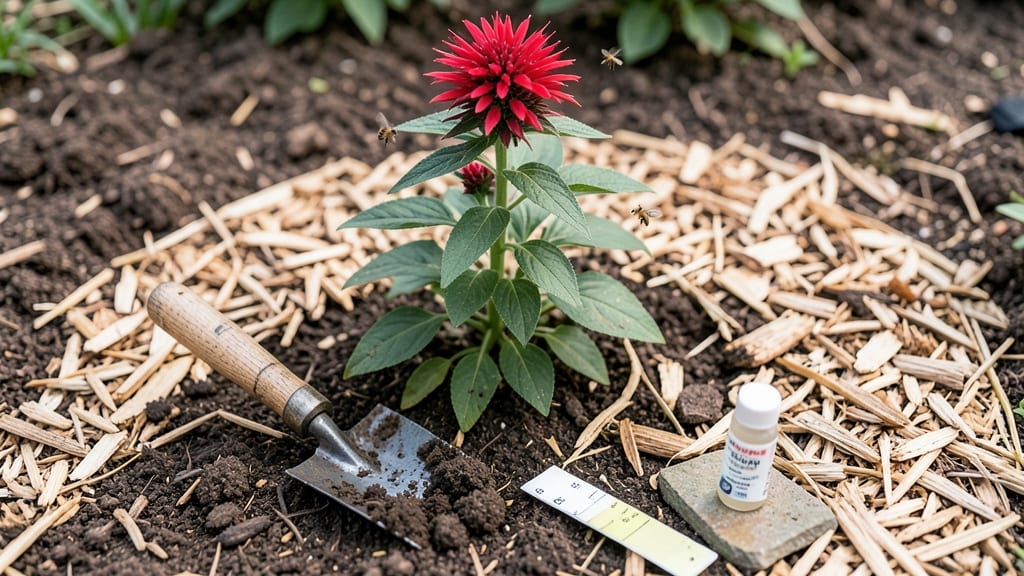
Your bee balm 🐝 thrives when its soil requirements are just right — a loamy, well-draining mix with a slightly acidic pH that keeps roots happy and blooms bursting.
Struggling to keep your bee balm plants vibrant and blooming? The secret lies beneath the surface—in the soil. These acid-loving beauties demand precise growing conditions, and getting the mix wrong can mean wilted leaves or stunted growth.
Most gardeners overlook the ideal pH range of 5.0–6.5 or the need for organic matter like compost, which can make the difference between a thriving plant and one that barely survives.
In Zone 6a, where spring planting kicks off in April, the right soil prep is the foundation for everything that follows.
Below, I’ll break down the exact soil composition your bee balm craves, how to fix common mistakes like poor drainage or alkaline soil, and the simple amendments that turn struggling plants into showstoppers.
Ideal soil pH and composition for bee balm growth
Bee balm thrives when planted in well-draining, slightly acidic soil with a pH range of 5.0 to 6.5. This acid-loving plant won't tolerate alkaline conditions, which can lead to yellowing leaves or poor flowering.
If your soil tests outside this range, don't worry—simple amendments can restore balance and create the perfect foundation for your bee balm to flourish.
Beyond pH, bee balm craves a loamy soil texture rich in organic matter. Loam provides the perfect balance of sand, silt, and clay, ensuring roots stay aerated while retaining enough moisture to support lush foliage and vibrant blooms.
Aim for 25-30% organic matter, like compost or well-rotted manure, to give your bee balm the nutrients it needs to thrive.
The ideal soil composition for bee balm includes:
- 50% topsoil
- 30% organic matter (compost, peat moss)
- 20% perlite or coarse sand
| Soil Requirement | Specification | Notes |
|---|---|---|
| pH Level | 5.0–6.5 | Acidic to slightly acidic; test soil with a pH meter or kit. |
| Organic Matter | 25–30% | Compost, peat moss, or aged manure for fertility. |
| Texture | Loamy | Balanced mix of sand, silt, and clay for aeration. |
| Drainage | Well-draining | Avoid waterlogged soil; amend with perlite or sand. |
| Moisture | Moderately moist | Keep soil consistently damp but not soggy. |
If your garden soil is clay-heavy, bee balm roots will struggle to breathe, leading to poor growth. To lighten the texture, mix in coarse sand or perlite to improve aeration.
For sandy soil, which drains too quickly, incorporate organic matter like compost or coconut coir to retain moisture and nutrients.
In regions with alkaline soil, bee balm may suffer from nutrient deficiencies. Lower the pH by adding elemental sulfur or peat moss to the soil before planting. Work these amendments into the top 6–12 inches of soil and water thoroughly to activate the changes.
For container-grown bee balm, use a potting mix blend that combines:
- 60% peat moss or coconut coir
- 30% compost
- 10% perlite or vermiculite
Always test your soil before planting to avoid guesswork. A simple soil pH test kit (available at garden centers) will reveal whether your soil is too acidic or alkaline. If the pH is below 5.0, add lime or wood ash sparingly to raise it slightly.
If it’s above 6.5, incorporate sphagnum peat moss or pine bark to lower it.
Once your soil meets these criteria, your bee balm will reward you with vibrant blooms and lush foliage. Regular mulching with pine needles or shredded leaves will help maintain the ideal pH and moisture levels over time, reducing the need for frequent amendments.
Remember, healthy soil equals healthy plants. With the right pH and composition, your bee balm will thrive, attracting pollinators and adding color to your garden for years to come. 🌱🐝🌼
How to amend garden soil for bee balm success
Bee balm thrives in well-draining, slightly acidic soil with rich organic matter. If your garden soil is heavy clay, sandy, or alkaline, your plants will struggle—even with perfect sunlight and watering.
The key is creating a loamy texture that mimics their native woodland habitats while ensuring proper aeration and moisture retention.
Start by testing your soil's pH level using a simple kit from your local garden center. Bee balm prefers a range of 5.0–6.5. If your soil tests higher (alkaline) or lower (acidic outside this range), amendments will be necessary.
For clay soils, focus on adding organic material to improve structure, while sandy soils need help retaining moisture.
Bee balm dislikes waterlogged roots and excessive fertilizer. When adjusting soil, aim for gradual changes. Too much peat moss or compost can create anaerobic conditions, leading to root rot. Always mix amendments evenly into the top 6–12 inches of soil, never just top-dressing.
For clay-heavy soils, mix in 3–4 inches of compost and 1–2 inches of peat moss per square foot. This improves drainage while adding nutrients. Work the amendments into the topsoil with a garden fork, breaking up compacted layers.
If your soil is still too dense, consider planting bee balm in raised beds filled with a custom loamy mix.
If your soil is sandy and drains too quickly, incorporate 2–3 inches of compost and 1 inch of coconut coir to help retain moisture. Sandy soils also benefit from a 1–2 inch layer of mulch (like shredded leaves) to slow evaporation.
Test moisture levels by pressing your finger 1–2 inches into the soil—it should feel slightly damp but not soggy.
To lower alkaline soil pH, add elemental sulfur at a rate of 1–2 pounds per 100 square feet. Work it into the top 6 inches of soil 2–3 months before planting.
For quicker results, use sphagnum peat moss or pine bark fines, which acidify soil as they decompose. Re-test pH after 6 weeks to monitor changes.
Create a DIY bee balm soil mix for containers or poor garden beds by combining:
- 50% garden soil
- 30% compost
- 10% peat moss
- 10% perlite or vermiculite
After amending, water deeply to settle the soil and encourage root growth. Avoid disturbing the roots during the first 4–6 weeks as they establish. Mulch with 2–3 inches of organic mulch (like wood chips) to maintain moisture and suppress weeds—just keep mulch 3 inches away from stems to prevent rot.