
Planting
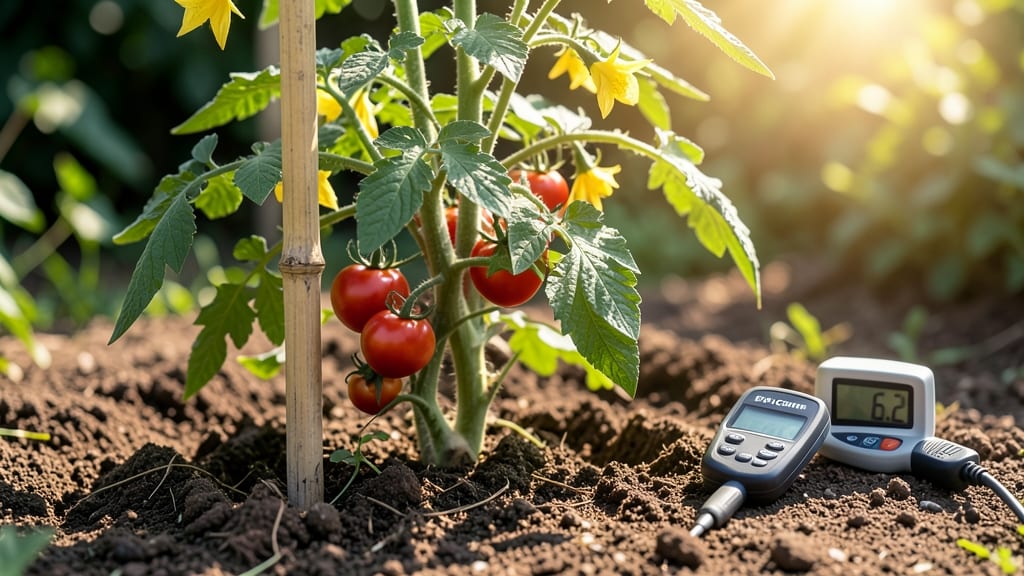
Tomato plant soil requirements include well-draining, nutrient-rich soil with a slightly acidic to neutral pH (6.0–6.8), high organic matter, and consistent moisture retention to thrive and produce healthy fruit.
Tomatoes are fussy about their growing conditions, and soil is where it all starts. 🌱 A loamy texture with plenty of compost or aged manure ensures roots get both air and nutrients, while proper drainage prevents rot—critical for heavy fruit production.
I’ve found that adding perlite or coarse sand to clay-heavy soil makes a huge difference in keeping roots happy. The right balance of nitrogen, phosphorus, and potassium (NPK) also prevents blossom-end rot, a common issue in nutrient-poor soils.
Testing your soil’s pH and nutrient levels is the first step—most garden centers sell affordable DIY kits. If your soil is too alkaline, a sprinkle of sulfur can help lower the pH over time, while acidic soils benefit from crushed limestone.
For containers, I recommend mixing equal parts potting soil, compost, and coconut coir to mimic ideal garden conditions. Mulching with straw or wood chips also helps retain moisture and keeps soil temperatures steady, which tomatoes love.
💡 In This Article
- Ideal Soil Composition for Tomato Growth
- How to Test and Improve Tomato Plant Soil
Ideal soil composition for tomato growth
Tomato roots thrive in loamy soil—a perfect blend of sand, silt, and clay that mimics the texture of a well-worn baseball glove. This ideal mix holds moisture without suffocating roots while allowing oxygen to circulate freely.
Think of it like a sponge: too sandy, and it drains too quickly; too clay-heavy, and it becomes compacted, cutting off airflow. The ideal ratio for tomatoes is roughly 40% sand, 40% silt, and 20% clay, though slight variations work if you amend properly.
Organic matter is the secret weapon here, making up 5-10% of the soil composition. Compost or well-aged manure (like cow or chicken) introduces beneficial microbes and fungi that break down nutrients into forms tomato roots can absorb.
These microbes also help form soil aggregates—tiny clumps that improve drainage and water retention. Without enough organic matter, roots struggle to access phosphorus, which is critical for energy transfer during fruit development.
I’ve seen tomato plants in soil with just 3% organic matter produce stunted, pale fruit compared to those in soil with 8% or higher.
The nutrient trifecta—nitrogen (N), phosphorus (P), and potassium (K)—works together like a symphony. Nitrogen fuels leafy growth, phosphorus supports root development and flowering, while potassium strengthens cell walls to prevent diseases like blossom-end rot.
A balanced fertilizer like 5-10-10 (NPK ratio) is ideal for most gardeners, but heavy feeders may need a boost with compost tea or fish emulsion during fruiting. Too much nitrogen without phosphorus can lead to lush foliage but few tomatoes—a classic case of "all leaves, no love."
Moisture retention is another critical factor. Tomato roots prefer soil that stays consistently damp but never soggy—think of a wrung-out sponge. Sandy soils dry out too quickly, while clay soils hold water like a swamp, both of which stress plants. The solution?
Amend sandy soil with 2-3 inches of compost or peat moss, while clay soil benefits from 1-2 inches of coarse sand or perlite mixed into the top 12 inches. Mulching with straw or shredded leaves helps maintain even moisture levels by reducing evaporation.
Temperature also plays a hidden role in soil composition. Tomato roots grow best in soil that stays between 60-75°F. If your soil heats up beyond that (common in black plastic mulch), roots can’t absorb nutrients efficiently.
Dark-colored organic matter like compost actually helps soil retain heat, while lighter amendments like perlite reflect sunlight and keep roots cooler. This is why container-grown tomatoes often need more frequent watering—they heat up faster than in-ground plants.
One common mistake is assuming "rich" soil means chemical-heavy. While synthetic fertilizers provide quick nutrients, they lack the microbial diversity of organic matter. For example, a soil with 10% compost might have 100x more beneficial bacteria than one with only synthetic NPK.
These microbes help break down organic matter into plant-available nutrients, creating a self-sustaining ecosystem that reduces the need for frequent feeding.
For container growers, the rules change slightly. Potting mixes often lack the structure of garden soil, so I recommend mixing 60% high-quality potting soil, 20% compost, and 20% perlite or vermiculite. This creates a lighter, more oxygen-rich medium that prevents root rot in confined spaces.
The key is to repot every 1-2 years since nutrients deplete faster in containers, and roots outgrow their space quickly.