Container Gardens
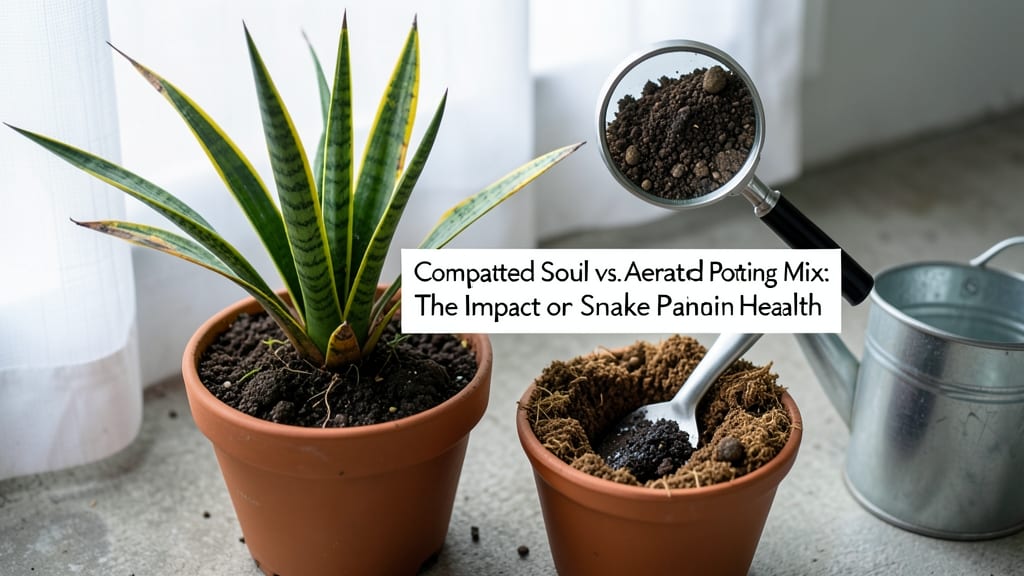
I accidentally used garden soil in the pots—now let’s fix this quickly. 🌱 Garden soil in pots is a classic rookie mistake, but the good news is you can salvage your containers before roots suffocate. The problem?
Garden soil compacts like clay, blocks drainage, and suffocates roots with its heavy texture. But with a few simple steps, you’ll turn this into a learning moment (and maybe even improve your soil for next time).
The fix starts with amending what’s already there. Mix in equal parts perlite or vermiculte (for aeration) and compost (for nutrients). This lightens the soil instantly while giving roots room to breathe.
If your pots are small, consider repotting into fresh potting mix—it’s the easiest way to guarantee drainage and fertility. Don’t panic if your plants look stressed; they’ll recover faster than you think.
Reviving your plants is all about watering smarter. Drench the amended soil until water runs freely from the drainage holes, then let it dry slightly between waterings. Avoid fertilizing for 2-3 weeks—your plants need time to adjust to the new, looser environment.
Within a week, you’ll notice new growth as roots spread into the improved soil. It’s amazing how much a little air and drainage can turn things around.
Next time, grab potting mix instead—it’s designed for containers and won’t leave you scrambling for fixes. But for now, your plants are on the mend, and you’ve just learned a lesson that’ll save your future pots. Quick, easy, and totally doable—just like gardening should be.
Why Garden Soil Ends Up In Pots
Even the most careful gardeners sometimes mix up their soil sources—and when you accidentally use garden soil in containers, it’s rarely a happy coincidence. Here’s why this common mistake happens, broken down into clear causes with actionable insights to help you avoid it next time.
Most accidents start with a simple oversight.
Garden soil and potting mix are often stored in similar-looking bags or bins, especially if you’re working quickly or multitasking. Label confusion is a top culprit—if your garden soil and potting mix aren’t clearly marked (or if labels fade over time), it’s easy to grab the wrong one in a hurry.
💡 Pro Tip: Use color-coded tags or labels for your soil types. For example, a red tag for garden soil and a green tag for potting mix makes a visual difference even in low light.
Store them in separate areas if possible—like one shelf for potting mixes and another for bulk garden soil.
Another factor? Fatigue or distraction. If you’re juggling multiple gardening tasks (like repotting while weeding), your brain might be on autopilot. Ever grabbed the wrong tool or ingredient while cooking? The same mental shortcuts apply here.
Not all gardeners recognize the key differences between garden soil and potting mix. Garden soil is designed for in-ground planting, where it benefits from natural drainage, microbial activity, and compaction over time. Potting mix, on the other hand, is lightweight, sterile, and aerated to prevent root rot in containers.
📊 Quick Comparison:
Garden Soil
Potting Mix
Heavy, clay-based, compacts easily
Lightweight, often peat/perlite-based
High in organic matter (can decompose too fast)
Balanced nutrients, slow-release
Poor drainage in containers → root suffocation
Designed for drainage → prevents waterlogging
If you’re new to container gardening, you might not realize why your plants thrive in the ground but struggle in pots. Misunderstanding soil structure leads to overwatering, fungal growth, or stunted roots—all because the soil can’t breathe or drain properly.
Garden soil is often cheaper and more accessible than high-quality potting mix. If you’re on a budget or sourcing soil from a large bag for multiple projects, it’s tempting to use it everywhere—even in pots. But this shortcut can backfire when your container plants show signs of stress.
💰 Why It’s Risky:
- Clay particles in garden soil compact in pots, blocking airflow to roots.
- Weed seeds or pathogens in garden soil can hitch a ride into your containers.
- Nutrient imbalances—garden soil may lack the micronutrients potted plants need.
🔥 Actionable Fix: If you’re using garden soil out of necessity, amend it with perlite, vermiculite, or coconut coir (20-30% by volume) to improve aeration. But for long-term container gardening, investing in a good potting mix pays off.
Sometimes, gardeners reuse soil from old pots or garden beds without realizing the risks. Old potting mix can become waterlogged and depleted of nutrients, while garden soil may harbor pests, diseases, or even chemical residues from previous plants.
🐛 Common Contaminants in Garden Soil:
- Weed seeds (that sprout in your pots)
- Fungal spores (like Phytophthora, which causes root rot)
- Pesticide residues (if the garden was treated)
- Compaction from foot traffic or machinery
If you’ve been gardening for years, your soil might also be nutrient-exhausted from repeated use. Plants in containers deplete soil faster than in-ground plants, so reusing unamended garden soil can starve your potted friends.
Now that you know the why behind this mix-up, the next section will show you how to fix it fast—before your plants pay the price. Stay tuned!
Fixing Your Potted Plants Now
Oops—you’ve mixed garden soil into your potted plants, and now you’re worried about clogged drainage, pests, or nutrient overload. Don’t panic! Here’s how to quickly assess, adjust, and save your container garden before damage sets in.
---
Before diving into fixes, inspect your plants for signs of stress: - Yellowing leaves (overwatering or compaction) - Stunted growth (poor aeration or nutrient imbalance) - Pests (slugs, fungus gnats, or grubs thriving in dense soil) - Mold or foul odors (excess moisture trapped in heavy soil)
💡 Pro Tip: If roots are circling or the soil feels like wet clay when squeezed, act fast—these are red flags for root rot or suffocation.
---
Goal: Improve aeration and prevent waterlogging.
#### For Light Compaction (Early Fix) 1. 🌱 Loosen the Soil - Gently rake or fork the top 2–3 inches of soil in the pot to break up clumps. - Add 1–2 inches of fresh potting mix (never garden soil!) to the surface.
2. ⚡ Boost Drainage - Mix in perlite, vermiculite, or coarse sand (1 part to 3 parts soil) to lighten the texture. - If your pot lacks drainage holes, drill a few or place a layer of gravel or broken pottery at the bottom next time.
#### For Severe Cases (Full Reset) If the soil is rock-hard or waterlogged: 1. 💦 Drain Excess Water - Place the pot in a sink or tub and let water run through for 10–15 minutes to flush out compacted soil. - Repeat until water drains freely (no muddy runoff).
2. 🔄 Replace Problematic Soil - Remove 50% of the old soil (carefully loosen roots if tangled). - Refill with high-quality potting mix (look for labels like "moisture-control" or "container blend"). - Avoid garden soil entirely—it’s too dense and may harbor weeds/seeds.
--- Garden soil holds nutrients aggressively, which can burn roots or cause salt buildup. Reset your care routine:
| Issue | Fix | |-------------------------|------------------------------------------------------------------------| | Overwatering | Let the top 1 inch of soil dry before watering. Use a moisture meter if unsure. | | Nutrient Burn | Flush the soil with water for 10 minutes to leach excess salts.
Avoid fertilizer for 2–4 weeks. | | Slow Growth | Use a balanced, slow-release fertilizer (like 10-10-10) once after 2 weeks. |
🌡️ Pro Tip: Test your soil’s pH (garden soil is often too acidic or alkaline). Most potted plants thrive at 6.0–7.0. Adjust with lime (to raise pH) or peat moss (to lower pH) if needed.
---
Garden soil is a magnet for unwanted guests. Take these steps to disinfect and deter problems:
1. 🐜 Treat for Pests - Fungus gnats: Let the soil dry between waterings and apply yellow sticky traps. - Grubs/slugs: Sprinkle diatomaceous earth or copper tape around the pot’s edge. - Weeds/seeds: Sift out debris before repotting—garden soil often contains weed seeds!
2. 🧼 Sanitize the Pot - Scrub the container with soapy water and 1 part bleach to 9 parts water (rinse well). - For fungal risks, soak the pot in a 10% hydrogen peroxide solution for 10 minutes.
--- Never use garden soil in pots again! Here’s how to keep your potting mix safe:
✅ Use Only Potting Mix – Look for blends labeled "container garden" or "seed starting mix." ✅ Refresh Soil Annually – Replace 25–50% of soil every year to prevent compaction. ✅ Label Your Pots – Mark containers with plant names and last repotting date to avoid mix-ups. ✅ Store Garden Soil Properly – Keep it covered and dry to prevent weed seeds from spreading to your pots.
--- If your plants are already suffering, try these quick recovery tricks: - Trim damaged leaves with clean scissors to redirect energy. - Mist leaves daily for 3–5 days to reduce transpiration stress. - Move to indirect light if leaves are scorched (garden soil can cause heat stress in pots).
--- You’ve got this! With a little TLC, your potted plants will bounce back—and you’ll never make this mistake again. 🌿💚
Frequently asked questions
Why is garden soil bad for potted plants?
Garden soil compacts easily, blocking airflow and water drainage in containers. This creates a suffocating environment for roots, leading to root rot or stunted growth. It also often contains weed seeds and pathogens that thrive in confined spaces.
Can I still save my plants if I already used garden soil?
Yes! Start by loosening the soil with a fork and mixing in perlite or vermiculite (1 part to 3 parts soil). For severe cases, replace 50% of the soil with fresh potting mix. Reduce watering temporarily to prevent over-saturation. Most plants recover within 2-3 weeks with proper care.
How do I know if my plants are suffering from garden soil?
Watch for yellowing leaves, slow growth, or moldy soil. If water sits on top instead of draining, or if you see pests like fungus gnats, your plants are struggling. Give the soil the squeeze test: if it stays clumped, it’s too dense.
What’s the cheapest way to fix garden soil in pots?
Mix in coarse sand or coconut coir (both are budget-friendly) to improve drainage. Add compost for nutrients, but avoid garden soil. For pots without drainage holes, place a layer of broken pottery at the bottom as a DIY solution.
Will my plants recover if I just add more potting mix on top?
Not enough! Surface-level fixes won’t help if the roots are already suffocating. You must amend the entire soil profile or repot into fresh mix. Think of it like giving your plants a new home—they need space to breathe and grow.