
How To
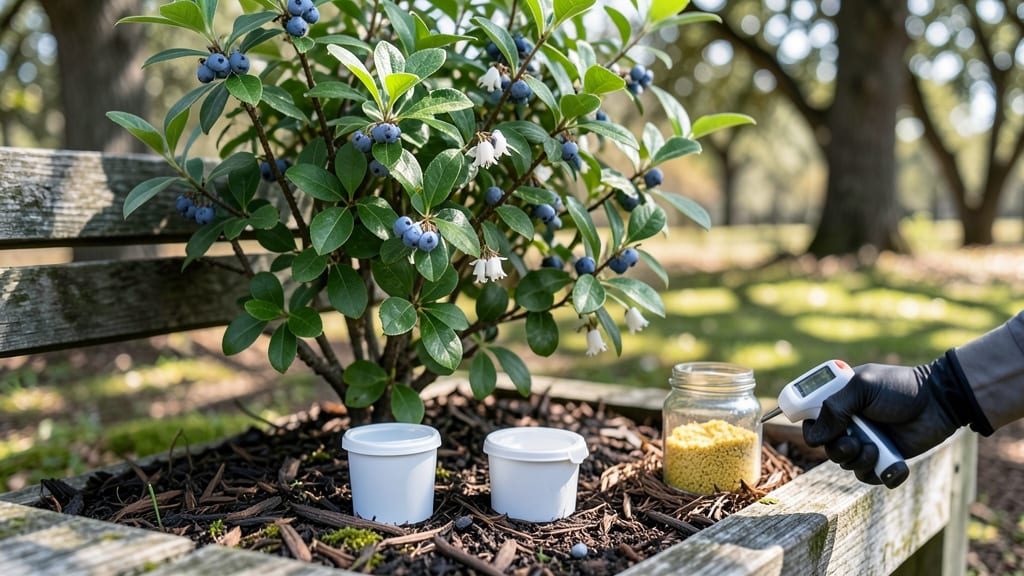
My soil pH test showed a shockingly acidic 5.2—too low for my blueberries and tomatoes. 🌱 Lowering soil acidity doesn’t require chemistry degrees, just the right blend of lime and compost to shift that pH needle back toward neutral.
The key is balancing quick fixes (like lime) with long-term soil health (compost), so your plants don’t just survive but thrive.
Start with a simple soil test kit (available for under $15) to pinpoint your exact pH. Most garden plants prefer 6.0-7.0, while acid-lovers like blueberries and azaleas need 4.5-5.5.
My first attempt at blindly adding lime nearly overshot the mark—learn from my mistake and test before and after adjustments. You’ll need pelletized lime (for even distribution) and well-aged compost, both easy to find at garden centers.
Mix 1-2 pounds of lime per 100 square feet into the top 6 inches of soil, then top with 2-3 inches of compost. Water thoroughly, and wait 2-3 months before retesting—patience prevents overcorrecting.
The result? Soil that’s rich, crumbly, and perfectly balanced, where roots can access nutrients without struggle. Your plants will reward you with stronger growth and better yields.
This method works for vegetable beds, flower gardens, and lawns, though acid-loving plants may need a lighter hand. For container gardens, use calcitic hydrated lime mixed into potting soil at 10% by volume.
The secret? Small, consistent changes beat drastic overhauls every time. Let’s get that soil back in harmony with your plants.
📚 In This Guide
- What you need
- Instructions
- Tips and common mistakes
- Wrapping up and next steps
What you need
- ● Garden Lime (Calcium Carbonate) – 10-20 lbs per 100 sq. ft. (Check the bag for % calcium carbonate; aim for 90-100% purity for best results).
- ● Compost – 5-10 lbs per 100 sq. ft. (Look for well-aged, nutrient-rich compost with a neutral to slightly alkaline pH (7.0+) to avoid adding more acidity.)
- ● Garden Gloves – 1 pair (Heavy-duty, nitrile-coated for protection against rough materials).
- ● Garden Fork or Tiller – 1 (For mixing lime and compost into the top 6 inches of soil).
- ● Wheelbarrow or Large Bucket – 1 (For blending materials; 5-gallon capacity minimum).
- ● pH Test Kit – 1 (Digital or liquid test kit to monitor soil pH before and after treatment. Target pH: 6.0-7.0 for most gardens.)
- ● Watering Can or Hose – 1 (For light watering after application to help ingredients settle into the soil.)
- ● Soil pH Adjustment Calculator – Free online tool (Helps determine exact lime/compost ratios based on your soil’s current pH and crop needs.)
- ● Broadcast Spreader – 1 (For even distribution of lime over large areas; drop or rotary spreader works best).
- ● Knee Pads or Work Bench – 1 pair or 1 (Makes blending and spreading easier on your back!).
- ● Organic Matter Test Kit – 1 (Ensures your compost is high-quality and won’t introduce weeds or pathogens.)
- ● Labeling Tags – Small pack (Mark treated areas if testing soil later or rotating crops.)
Step-by-Step guide to lowering soil acidity with lime and compost
Here’s the method I’ve used to raise pH levels consistently—no guesswork, just science-backed ratios.
🌱 Step 1: Test Your Soil’s Current pH
Before adding anything, grab a soil pH test kit and take a reading from multiple spots in your garden. Most plants thrive in a range of 6.0 to 7.0, so aim for that sweet spot. If your reading is below 5.5, you’ll need to act. I like to test in the morning when soil is cooler—results are more accurate.
Dig a small hole about 6 inches deep and collect soil samples from the top 6 inches. Mix them in a clean bucket, then follow the kit instructions. If you’re working with a large area, test at least 3-4 spots—soil pH can vary wildly even in the same yard. Write down your results; you’ll reference them later to track progress.
🪴 Step 2: Calculate Lime and Compost Ratios Based on pH
For every 1 point you need to raise the pH (e.g., from 5.0 to 6.0), apply 5-10 pounds of dolomitic lime per 100 square feet of soil. If your goal is 6.5-7.0, stick to the lower end—too much lime can lock out essential nutrients like iron and manganese. I always err on the side of caution and start with 5 pounds per 100 sq ft for a 1-point adjustment.
Compost plays a dual role here: it buffers pH changes and adds organic matter. Mix in 2-3 inches of finished compost per square foot of garden bed. This isn’t just about acidity—it’s about long-term soil health. Spread the compost evenly, then lightly rake it in. Avoid piling it; you want it to integrate with the topsoil, not sit on surface.
💧 Step 3: Apply Lime and Compost, Then Water Deeply
Use a broadcast spreader for lime to ensure even distribution. Work in small sections—10x10 ft grids—so you don’t miss spots or overlap. After spreading lime, add compost and mix the top 2-3 inches of soil with a garden fork or tiller. This incorporates both amendments without burying them too deep, where they won’t do much good.
Water the area deeply—about 1 inch of water—to activate the lime and help it dissolve into the soil. Avoid overhead watering if possible; it can wash lime away. I like to use a soaker hose for precision. Let the soil settle for 24 hours before planting or replanting. This gives the amendments time to start working without disturbing your garden.
☀️ Step 4: Monitor and Retest Soil pH in 4-6 Weeks
Lime takes time to adjust pH—don’t expect instant results. Wait 4-6 weeks, then retest your soil. If the pH hasn’t shifted enough, you may need to reapply lime (but never more than 50% of the original amount at a time). Overcorrecting can harm plants more than low pH ever will. I keep a garden journal to track changes; it’s surprising how much pH can fluctuate with rain and organic matter breakdown.
Once you’ve hit your target pH, maintain it by top-dressing with compost annually. This keeps the soil balanced without drastic lime additions. If you notice new yellowing leaves or stunted growth, test again—sometimes pH drops faster than expected, especially in sandy soils. Adjust gradually, and your plants will thank you with stronger, healthier growth.
Tips & tricks for perfect soil pH adjustment
Common pitfalls—and how to sidestep every one when balancing your garden's soil chemistry.
Precision in Testing: In Step 1, when testing soil pH, collect samples from the top 6 inches but avoid areas with fresh manure or compost piles—these can skew results. I've seen readings vary by 1.5 points between shaded and sunny spots in the same yard, so test multiple locations. Morning tests are most accurate because cooler temperatures slow microbial activity that can temporarily alter readings.
Lime Application Strategy: For Step 2, when applying the 5-10 pounds of dolomitic lime per 100 square feet, focus on the 10x10 ft grids method to avoid overlap. I've learned the hard way that uneven application creates pH hotspots—areas where plants get too much lime and others where they get none. Use a stencil or chalk to mark your grids if you're working alone. The key is consistency in coverage.
Compost Integration Technique: When mixing in the 2-3 inches of finished compost in Step 3, think of it like layering a lasagna. Spread a thin layer of compost, then lightly till it into the top 1 inch of soil before adding another layer. This prevents compost from clumping and ensures even distribution. I've seen gardeners pile compost too thickly, which can create anaerobic pockets that actually lower pH over time.
Watering Wisdom: The 1 inch of water in Step 3 isn't just about hydration—it's about activation. Water helps dissolve lime particles so they can penetrate the soil profile. I recommend splitting this into two ½-inch waterings spaced 24 hours apart for better absorption, especially in sandy soils that drain quickly. Always water in the morning to prevent fungal issues from overnight moisture.
Pro Tips for Lower Soil Acidity
- Common pitfalls—and how to sidestep every one when balancing your garden's soil chemistry.
- Precision in Testing: In Step 1, when testing soil pH, collect samples from the top 6 inches but avoid areas with fre...
- Lime Application Strategy: For Step 2, when applying the 5-10 pounds of dolomitic lime per 100 square feet, focus on ...
Frequently asked questions
Got questions about lowering soil acidity? You’re not alone! Here are some of the most common concerns—and straightforward answers—to help you get your garden back on track.
How quickly can I expect to see results after adding lime and compost?
Results vary, but you’ll typically notice changes in 3 to 6 months. Lime works fastest in the top 6 inches of soil, while compost takes longer to break down and improve soil structure. Test your soil again after 3 months to adjust as needed!
What if my plants look worse after adding lime?
If your plants wilt or yellow, you may have over-applied lime or disturbed roots during mixing. Slow down—start with half the recommended dose and monitor closely. Over-liming can harm acid-loving plants like blueberries or azaleas, so check their pH tolerance first.
Is it cheaper to use agricultural lime or garden lime?
Agricultural lime (calcium carbonate) is more cost-effective and effective for large areas, while garden lime (pelletized) is easier to spread but pricier. For a budget-friendly fix, opt for agricultural lime and mix it into the top 2–3 inches of soil.
Can I lower soil acidity without lime? What are alternatives?
Yes! Try these natural alternatives:
- Wood ash: Sprinkle lightly (¼ cup per plant) but avoid overuse—it can raise pH too quickly.
- Composted manure: Adds organic matter and buffers acidity over time.
- Crushed eggshells: A slow-release calcium source (bake and grind shells first).
What’s the best time of year to adjust soil pH?
Fall or early spring are ideal—when soil is workable but not frozen. Avoid applying lime in extreme heat or drought, as it can bind to soil particles and reduce effectiveness. If you’re in a warm climate, aim for late summer to prepare for planting season.
How do I know if my soil is too acidic after adding lime?
Use a soil pH test kit (digital or liquid) to check. If pH drops again, reapply lime gradually—don’t overdo it. Signs of lingering acidity include yellow leaves, stunted growth, or aluminum toxicity (blackened roots). Adjust based on your plants’ needs!
Wrapping up and next steps
Lowering soil acidity doesn’t have to be complicated—with the right blend of lime and compost, you can create a thriving, balanced garden that supports healthy plants. 🌱 By understanding your soil’s pH, choosing the right amendments, and applying them thoughtfully, you’re well on your way to a lush, productive garden.
Ready to take action? Start by testing your soil again in a few months to monitor progress, and don’t forget to share your results with fellow gardeners—your success might inspire others! Happy gardening! 🌟