
Neem Oil
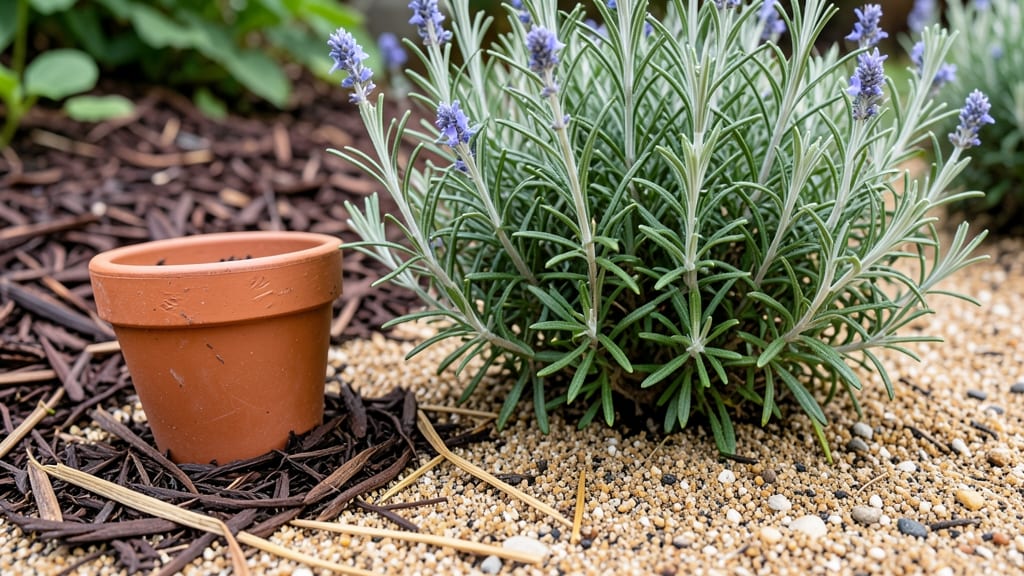
The secret to rosemary soil mix is well-draining grit that mimics its Mediterranean roots. 🌿 I learned the hard way—rosemary hates soggy feet. My first attempt with regular potting soil left my plant struggling, but once I added coarse sand and perlite, it thrived within weeks.
You’ll need equal parts potting soil, coarse sand, and perlite, with a handful of gravel for extra drainage. For containers, mix in a slow-release fertilizer to keep it lush. Rosemary prefers alkaline soil (pH 6.0–7.5), so a pinch of crushed limestone helps if your soil leans acidic.
After mixing, fill containers with drainage holes and water thoroughly—then let it dry completely between waterings. The plant’s needle-like leaves will stay vibrant and fragrant, signaling success. Overwatering is the #1 killer, so err on the dry side.
This mix works for pots, raised beds, or in-ground planting—just adjust the grit ratio for heavier clay soils. Once established, rosemary’s drought tolerance makes it nearly foolproof. Now go snip some for your next dish!
📚 In This Guide
- What you need
- Instructions
- Tips and common mistakes
- Wrapping up and next steps
What you need
- ● Potting soil (organic, well-draining): 50% of the mix (2 parts per 1 part of other ingredients). Look for a lightweight blend labeled for herbs or vegetables.
- ● Perlite or pumice: 20% of the mix (1 part). Adds aeration and prevents compaction.
- ● Coarse sand (or horticultural grit): 20% of the mix (1 part). Ensures sharp drainage—rosemary hates soggy roots!
- ● Compost or worm castings: 10% of the mix (½ part). Boosts nutrients without weighing down the soil.
- ● Garden gloves (to protect your hands from grit and soil).
- ● Large mixing container (a wheelbarrow, clean bucket, or plastic tub).
- ● Measuring tools: A calibrated bucket or spoon for precise ratios.
- ○ Sifter or fine mesh screen (optional): Helps break up clumps for a fluffy texture.
- ● Container with drainage holes: Pots (at least 8–12 inches deep), raised beds, or fabric grow bags.
- ● 🔥 Sterilize soil first: Bake potting soil at 200°F (93°C) for 30 minutes to kill pests or pathogens.
- ● ✨ Adjust for clay soil: If your native soil is heavy, replace sand with orchid bark (10%) for extra airflow.
- ● 🌡️ Test moisture: After mixing, squeeze a handful—it should crumble easily (not stick together).
Step-by-Step guide to crafting the perfect rosemary soil mix
Here's the blend I swear by for growing rosemary that thrives in containers—fragrant, hardy, and drought-resistant.
🌱 Step 1: Combine Base Materials for Drainage and Aeration
Start with 3 parts coarse sand—this is non-negotiable for rosemary. The sand prevents compaction and mimics the herb's Mediterranean roots' natural environment. I use sharp, clean sand (not fine beach sand) to avoid clogging pores. Add 2 parts perlite next; this creates air pockets that rosemary roots crave. Mix these dry first to distribute them evenly.
Now introduce 1 part pumice—this volcanic rock holds moisture without suffocating roots. The trio of sand, perlite, and pumice gives you the perfect balance: fast drainage but retained moisture when watered. Sift the mixture through a ¼-inch mesh screen to break up clumps. This ensures no pockets of dense soil remain, which would trap excess water and rot roots.
🌿 Step 2: Blend in Organic Matter for Nutrient Balance
Add 2 parts peat moss or coconut coir for organic structure. Rosemary dislikes rich, heavy soil, so avoid compost-heavy mixes. The peat moss provides a slightly acidic base (rosemary prefers pH 6.0–7.5), while the coir adds moisture retention without compacting. Mix thoroughly with the sand-perlite-pumice blend until uniform.
Next, incorporate 1 part worm castings—this is where the magic happens. Worm castings release nutrients slowly, feeding rosemary's deep roots without burning them. Sprinkle them lightly over the mix and fold in gently. Overmixing can break down the castings too quickly, so work them in just until they disappear. Your soil should now look like dark, crumbly sand with a few visible worm castings.
💧 Step 3: Adjust Texture and Moisture for Planting
Test the mix's texture by squeezing a handful—it should hold its shape but crumble easily when tapped. If it feels too dense, add 10% more perlite to lighten it. Rosemary roots need oxygen, and compacted soil suffocates them. If the mix is too loose, add 1 part horticultural charcoal (just 5% of the total volume) to improve water retention slightly.
Moisten the blend with lukewarm water until it reaches 60% moisture—like a damp sponge. Too wet, and roots rot; too dry, and the mix won’t settle around roots. Water it gradually, stirring as you go, until the surface looks damp but not glistening. Let it sit for 10 minutes to distribute moisture evenly. This pre-watering ensures the mix stays cohesive when you fill your containers.
☀️ Step 4: Prepare Containers and Layer for Optimal Growth
Fill your 6-inch or larger containers (rosemary hates being root-bound) with 1 inch of gravel or broken terracotta at the bottom. This improves drainage and prevents waterlogging. Pour in the soil mix, leaving 1 inch of space at the top for watering. Press down lightly—just enough to remove air gaps but not compact the mix.
For each plant, dig a hole twice as wide as the root ball but only as deep as the root ball itself. Rosemary roots are shallow but spread wide, so avoid burying the stem too deeply. This prevents stem rot and encourages bushier growth. Gently place the rosemary plant in, then backfill with more mix, pressing very lightly around the edges to eliminate air pockets.
✂️ Step 5: Water and Maintain for Long-Term Fragrance
Water immediately after planting, but only until water runs out the drainage holes. Rosemary despises soggy roots, so let the top 1 inch dry out before watering again. Overwatering is the #1 killer of container-grown rosemary—always check soil moisture before watering. Stick your finger 1 inch deep; if it feels dry, water. If it’s damp, wait.
After the first month, reduce watering further. Mature rosemary thrives on neglect—water only when the soil feels bone-dry to the touch. Place your containers in full sun (6+ hours daily) and watch as the needles turn a deep, vibrant green. Prune lightly after flowering to encourage bushier growth, but never cut into old wood—rosemary won’t regrow from there.
Tips & tricks for perfect rosemary soil mix
This blend is all about mimicking rosemary's Mediterranean roots—here's how to get it just right every time.
Base Material Selection: The 3:2:1 ratio of coarse sand, perlite, and pumice is non-negotiable for rosemary's survival. I've learned the hard way that beach sand compacts and suffocates roots—always use sharp, clean builder's sand. For the perlite, pre-wash it to remove any dust that could clog the mix's porosity. This trio creates the perfect air-to-water balance that rosemary thrives in, preventing both root rot and dehydration.
Texture Troubleshooting: When testing your mix's texture in Step 3, aim for what I call the "sponge test"—it should hold together when squeezed but crumble easily when tapped. If it feels like wet sandcastle material, you've added too much moisture. For the 10-minute resting period after watering, use this time to prep your containers. This ensures the mix settles properly before planting, preventing future compaction issues that could strangle those delicate roots.
Organic Matter Integration: The 2 parts peat moss or coconut coir to 1 part worm castings ratio creates the perfect nutrient delivery system. Here's what nobody tells you—the worm castings should be sprinkled like confetti, not dumped. Overmixing breaks down their beneficial microbes too quickly. Think of them as slow-release fertilizer capsules that need to stay intact to do their magic. The peat moss adds that crucial slight acidity (pH 6.0-7.5) that rosemary craves—don't substitute with compost, which can be too alkaline and burn the roots.
Container Layering Strategy: That 1-inch gravel layer at the bottom isn't just for show—it's your first line of defense against waterlogging. For containers without drainage holes, add an extra ½ inch of gravel. When pressing down the soil mix, use your fingers to create tiny air channels around the plant's roots. This mimics the natural aeration rosemary gets in its Mediterranean habitat, preventing that dreaded "soggy bottom" syndrome that kills so many container herbs.
Pro Tips for Rosemary Soil Mix
- This blend is all about mimicking rosemary's Mediterranean roots—here's how to get it just right every time.
- Base Material Selection: The 3:2:1 ratio of coarse sand, perlite, and pumice is non-negotiable for rosemary's survival.
- Texture Troubleshooting: When testing your mix's texture in Step 3, aim for what I call the "sponge test"—it should hold together when squeezed but crumble easily when tapped.
Frequently asked questions
about rosemary soil mix—because growing this fragrant herb should be as easy as savoring its aroma! Here are answers to the most common questions to help you cultivate thriving rosemary in any container.What’s the best ratio for a homemade rosemary soil mix?
A well-draining blend works best: 60% potting soil, 20% perlite or coarse sand, and 20% compost or worm castings. This mimics rosemary’s Mediterranean roots while preventing soggy soil. For containers, add a handful of gravel at the bottom to boost drainage!
How often should I water rosemary in this soil mix?
Rosemary hates wet feet—water only when the top 1–2 inches of soil feel dry. In summer, this might be every 5–7 days; in winter, stretch it to every 2–3 weeks. Overwatering is the #1 killer of potted rosemary, so err on the dry side!
Can I use regular garden soil instead of a special mix?
Not ideal! Garden soil compacts easily, trapping moisture and suffocating rosemary roots. If you’re in a pinch, amend it with 30% perlite or sand and a handful of compost. For best results, stick with a lightweight, gritty mix designed for Mediterranean herbs.
Will rosemary survive winter in this soil mix?
Rosemary is hardy but needs protection in cold climates. If temperatures drop below 20°F (-7°C), move pots to a sheltered spot or wrap them in burlap. Mulch the soil lightly with straw to insulate roots. In containers, reduce watering and avoid fertilizing during dormancy.
How do I fix root rot in rosemary with the wrong soil mix?
If your rosemary’s leaves turn yellow or mushy, it’s likely overwatered. Act fast:
- Remove the plant and trim rotted roots with sterile scissors.
- Repot in a fresh, gritty mix (50% perlite, 50% potting soil).
- Water lightly and place in bright, indirect light until new growth appears.
Wrapping up and next steps
Creating the perfect rosemary soil mix is all about balancing drainage, nutrients, and texture to unlock your herb’s full potential. 🌱 With the right blend of potting soil, perlite, and compost, you’ll be rewarded with lush, fragrant rosemary thriving in even the coziest containers.
Whether you’re a seasoned gardener or just starting, this mix sets you up for success—so grab your tools and get growing!
Ready to take the next step? Experiment with your rosemary soil mix—try adding a pinch of sand for extra grit or a sprinkle of worm castings for a nutrient boost. Happy planting! 🌿