
How To
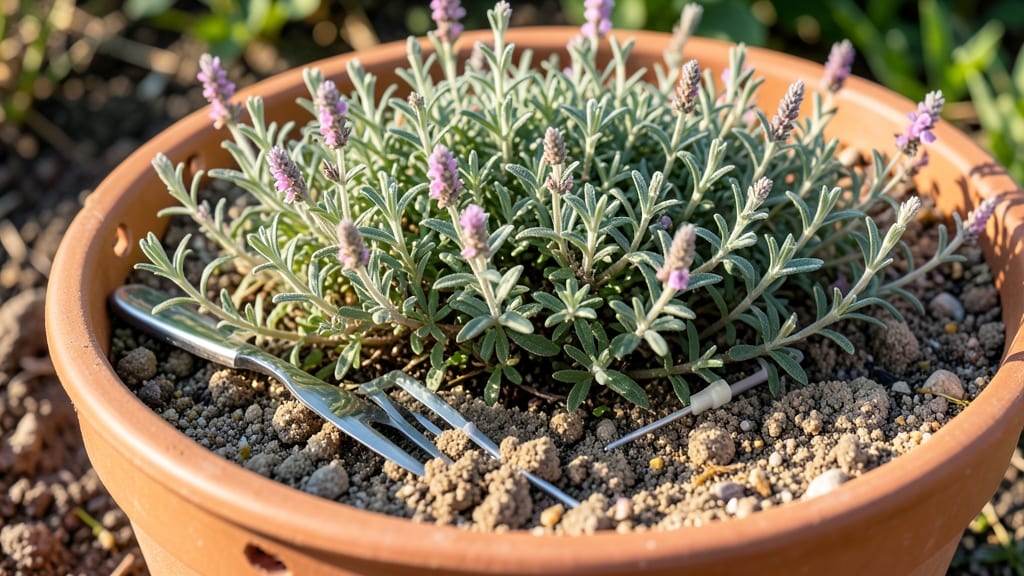
Growing thyme with the right soil requirements is the key to fragrant, bushy plants that thrive year after year 🌿 — and it starts with a mix that drains fast and stays loose.
Struggling to grow lush, fragrant thyme? The secret isn’t just sunlight—it’s the right soil mix that makes all the difference for this hardy yet finicky herb.
Thyme hates soggy roots, so sandy loam or rocky soil with a pH between 6.0 and 7.0 is ideal. Too much clay or organic matter, and you’ll end up with yellowing leaves or stunted growth.
In this guide, I’ll walk you through testing your soil, the best homemade blends, and how to fix common mistakes—so your thyme stays happy from spring planting to fall harvest.
Ideal thyme soil pH, texture & drainage requirements explained
Thyme thrives when planted in soil that mimics its natural Mediterranean habitat—well-draining, slightly alkaline, and mineral-rich. Unlike heavy feeders like tomatoes, thyme prefers lean soil with just enough nutrients to prevent leggy growth.
The biggest mistake gardeners make? Ignoring drainage, which leads to root rot and stunted plants. Let’s break down exactly what thyme needs to flourish.
Your first priority should be soil pH between 6.0 and 7.0. Thyme performs best in this slightly acidic to neutral range. Outside this window, nutrient uptake suffers—below 6.0 locks out essential minerals like calcium and magnesium, while above 7.5 can cause iron deficiency, turning leaves yellow.
Testing your soil is quick and saves you from wasted effort.
Texture matters just as much as pH. Thyme despises heavy clay soil, which holds too much moisture and suffocates roots. Instead, aim for a sandy loam that crumbles easily when dry. Think of it like a rocky, gravelly mix—similar to what you’d find in a Mediterranean garden. If your soil is too dense, amending it with coarse sand or perlite works wonders.
Now, let’s talk drainage—the dealbreaker for thyme. This herb cannot tolerate soggy roots. Even a few days of waterlogged soil will cause roots to rot, and your plant will quickly decline.
If your garden soil drains poorly, consider planting thyme in raised beds or containers with a mix of sand and organic matter to improve airflow around roots.
| Soil Requirement | Ideal Specification | Why It Matters |
|---|---|---|
| pH Level | 6.0–7.0 (slightly acidic to neutral) | Maximizes nutrient absorption; prevents yellowing leaves |
| Texture | Sandy loam or rocky mix | Prevents compaction; mimics Mediterranean native soil |
| Drainage | Excellent (water drains within 1–2 hours) | Avoids root rot; keeps roots oxygenated |
| Organic Matter | 10–20% compost or aged manure | Provides slow-release nutrients without overfeeding |
| Avoid | Clay soil, peat moss (too acidic), fresh manure | Clay holds excess moisture; peat lowers pH; fresh manure burns roots |
Testing your soil’s pH is simpler than you think. Grab a digital pH meter or DIY soil test kit from your local garden center. For a quick fix, you can amend acidic soil by adding lime (calcium carbonate)—just follow package instructions.
If your soil is too alkaline, mix in sulfur or peat moss (though peat is controversial, so use sparingly).
For texture, blend 50% native soil, 30% coarse sand, and 20% compost. This creates the perfect balance of drainage and nutrients. Pro tip: Add a handful of gravel or perlite to containers to boost drainage further.
If your garden soil is pure clay, consider growing thyme in fabric-lined pots to prevent root binding.
Watering thyme correctly ties into soil health. Since thyme is drought-tolerant, water deeply but infrequently. Let the top inch of soil dry out between waterings—this encourages deep root growth.
Overwatering is the #1 killer of thyme, so always check drainage by digging a small hole and filling it with water. If it doesn’t drain within an hour, your soil needs amendments.
One final tip: Mulch around thyme plants with gravel or coarse bark to prevent soil from compacting and to keep moisture levels stable. Organic mulches like straw can work too, but avoid thick layers that smother roots.
With the right soil, your thyme will reward you with fragrant foliage and vibrant blooms all season long.
Remember, thyme is a low-maintenance herb once its soil needs are met. Focus on drainage, pH, and texture, and you’ll set your plants up for success. Happy gardening! 🌱
Best soil mixes for thyme: homemade vs store-bought options
Growing thyme thrives when its roots have the perfect balance of air, water, and nutrients. While thyme is famously low-maintenance, it despises compacted or waterlogged soil. The right soil mix ensures strong roots, vibrant growth, and that signature aromatic flavor we all love.
You have two main paths: homemade soil blends or pre-mixed store-bought options. Each has pros and cons, from cost to nutrient control. Let’s break down the best choices for your thyme garden, whether you’re planting in-ground, containers, or raised beds.
| Soil Mix Type | Key Ingredients | Best For | Nutrient Type | Cost (Est.) |
|---|---|---|---|---|
| Homemade Sandy Loam | 50% garden soil, 30% coarse sand, 20% compost | In-ground planting, raised beds | Organic (natural) | $5-$15 (DIY) |
| Homemade Perlite Mix | 40% potting soil, 30% perlite, 20% compost, 10% gravel | Containers, pots, indoor growing | Organic (natural) | $10-$20 (DIY) |
| Store-Bought Herb Mix | Pre-blended with peat, perlite, and slow-release fertilizer | Containers, pots, quick planting | Synthetic (chemical) | $3-$8 (per bag) |
| Store-Bought Vegetable Mix | Balanced NPK, organic matter, and moisture control | In-ground, raised beds, containers | Organic or synthetic | $4-$10 (per bag) |
For homemade mixes, I recommend starting with a sandy loam base. Thyme loves well-draining soil, so adding coarse sand or perlite prevents root rot. Mix in aged compost for nutrients without compacting the soil.
If you’re using containers, a perlite-heavy blend works best to mimic rocky Mediterranean soil, where thyme thrives naturally.
Store-bought options save time, but read labels carefully. Some herb mixes contain synthetic fertilizers that can overfeed thyme, leading to leaf burn. Opt for organic vegetable mixes instead—they’re gentler and often include mycorrhizal fungi, which boost root health.
My go-to is a 50/50 blend of store-bought mix and homemade compost for the best of both worlds.
Pro tip: Avoid garden soil alone—it’s too dense. Even if your yard soil looks fertile, thyme’s delicate roots need air pockets. Amend with gravel or horticultural grit if your soil is heavy clay.
For potted thyme, repot every 2-3 years to refresh the mix with fresh compost and perlite.
Whether you DIY or buy, the key is drainage. Test your mix by filling a container, watering, and checking if excess water drains within 10 minutes. If it pools, add more sand or perlite. Your thyme will reward you with lush, fragrant foliage all season long! 🌿