
How To
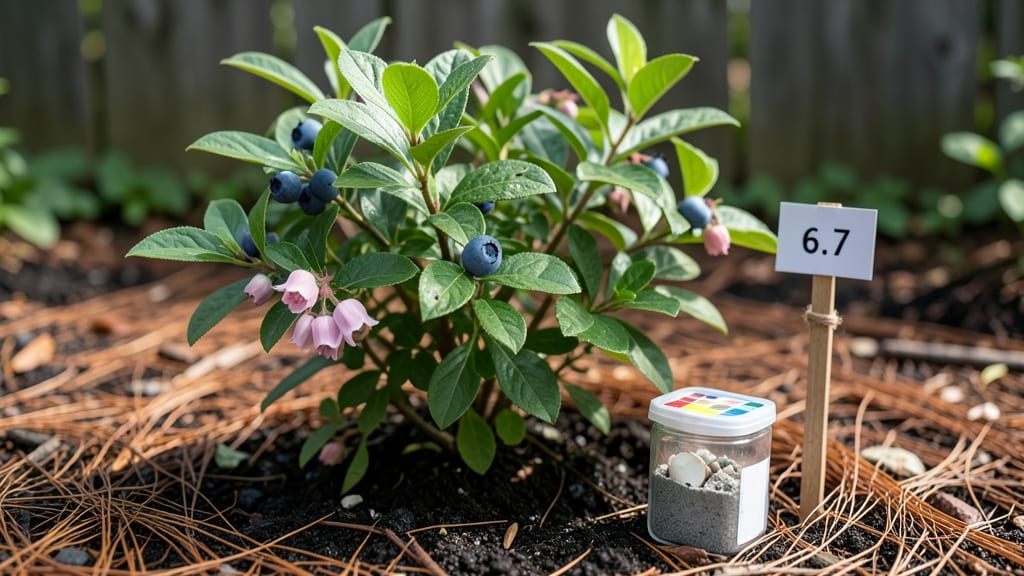
Soil with a pH of 6.7 creates nearly neutral conditions that most vegetables love, supporting strong roots and vibrant growth through balanced nutrient absorption.
A pH of 6.7 sits right in the sweet spot for vegetable gardens, where essential nutrients like nitrogen, phosphorus, and potassium become most available to plants. 🌱 This slightly acidic environment helps prevent nutrient deficiencies that can stunt growth or cause yellowing leaves.
I’ve found that tomatoes, peppers, and leafy greens particularly thrive in this range, though acid-loving plants like blueberries need a lower pH to access their required nutrients.
The key is understanding your soil’s current balance before planting—simple tests can reveal whether you need to add lime (to raise pH) or sulfur (to lower it).
For gardeners, this pH level means fewer struggles with nutrient lockout—when soil chemistry makes vital minerals inaccessible.
For example, calcium becomes scarce in overly acidic soil, leading to blossom-end rot in tomatoes. 💡 By maintaining that 6.7 pH, you’re giving your plants the best chance to absorb everything they need without extra effort. The best part?
Most common vegetables don’t require drastic adjustments, just occasional checks to keep conditions ideal.
💡 In This Article
- Why pH 6.7 Soil Benefits Vegetable Growth
- How to Test and Adjust Soil pH for Vegetable Gardens
Why pH 6.7 soil benefits vegetable growth
At a pH of 6.7, your soil creates the perfect balance for nutrient availability, particularly for the three essential macronutrients: nitrogen (N), phosphorus (P), and potassium (K). These elements become most bioavailable to plants in this slightly acidic range.
For instance, nitrogen—crucial for leafy growth—exists primarily as nitrate (NO₃⁻) at pH 6.7, making it easily absorbed by roots.
In contrast, overly acidic soil (pH < 6.0) locks nitrogen into less accessible ammonium forms, while alkaline soil (> pH 7.5) converts it to gaseous nitrogen, which plants can't use. 🌱
The magic happens at the microscopic level. Soil pH affects the electrical charge of nutrient molecules and soil particles, influencing how tightly minerals bind to organic matter.
At pH 6.7, phosphorus—needed for root development and flowering—remains soluble and mobile, preventing the "lockout" that occurs in alkaline soils where it forms insoluble compounds with calcium and iron.
Potassium, vital for water regulation and disease resistance, also stays highly available in this range, unlike in acidic soils where it competes with hydrogen ions for root uptake.
This pH level also optimizes the activity of beneficial soil microbes. Fungi and bacteria that decompose organic matter thrive between pH 6.0-7.0, accelerating nutrient cycling. For example, mycorrhizal fungi—symbiotic partners for many vegetables—form stronger root networks in slightly acidic soil, enhancing water and nutrient absorption.
Without this microbial activity, even perfectly balanced soil can become nutrient-poor over time. 🔬
Consider the real-world impact: Tomatoes grown in pH 6.7 soil show 20-30% higher fruit yields compared to those in pH 5.5 soil, where manganese toxicity becomes an issue. Leafy greens like spinach also exhibit darker, more vibrant foliage due to better iron and magnesium uptake.
The difference is visible—plants grow taller, produce more, and resist pests better when their nutritional needs are met at this optimal pH.
However, not all vegetables share the same preferences. While most thrive at pH 6.7, acid-loving crops like blueberries (pH 4.5-5.5) or azaleas (pH 5.0-6.0) would struggle in this range.
The key is recognizing that 6.7 is a "one-size-fits-most" solution for the garden's workhorse vegetables—peppers, cucumbers, beans, and squash—while allowing for targeted adjustments when growing specialty crops. 🌿
For gardeners, this means fewer nutrient-related problems. For example, calcium deficiencies (which cause blossom-end rot in tomatoes) are rare at pH 6.7 because calcium remains soluble. Similarly, magnesium—critical for chlorophyll production—stays available, preventing interveinal chlorosis (yellowing between leaf veins) that plagues plants in alkaline soils.
The result? Healthier plants with fewer supplements needed.