
How To
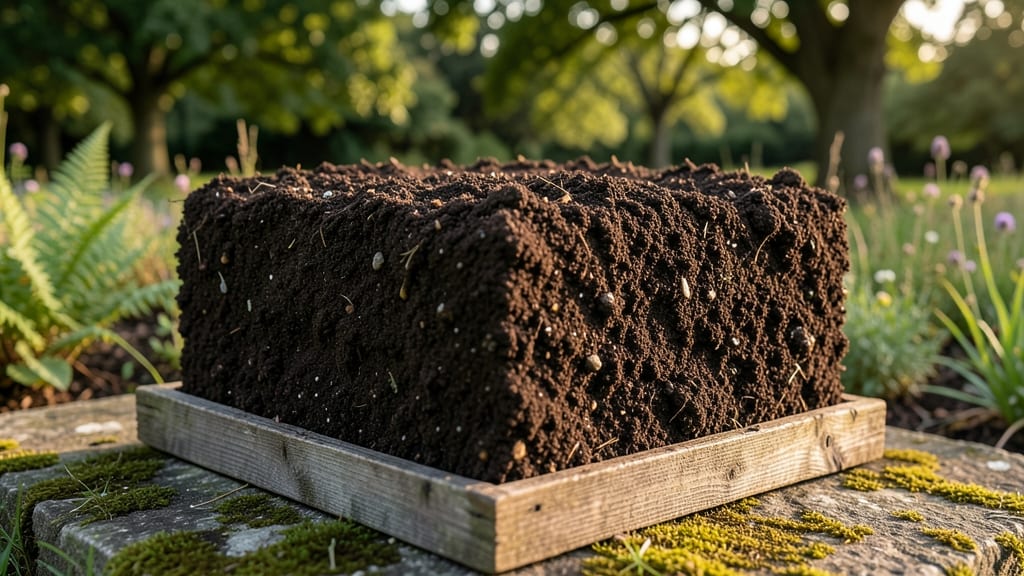
Calculating soil cubic feet isn't just math—it’s the difference between thriving plants and struggling ones. 🌱 I’ve seen gardens fail because someone guessed at soil volume, only to realize too late that roots were cramped or nutrients were uneven.
The right amount of soil means better drainage, more stable plants, and fewer wasted amendments.
Most gardeners overlook this step, but it’s simple once you know the formula. Measure your bed’s length, width, and depth in feet, then multiply them together—that’s your cubic feet.
A 4’x8’ raised bed that’s 12” deep needs 32 cubic feet of soil mix. Too little, and roots compete for space; too much, and you’re overpaying for unused soil.
Once you’ve got the volume, adjust your soil mix ratios accordingly. A heavy feeder like tomatoes needs 20% compost by volume, while succulents thrive in 70% gritty mix. The payoff? Plants grow stronger roots, hold moisture better, and show off that perfect color and structure you’re after.
This works for containers, raised beds, or in-ground plots—just tweak the dimensions. Whether you’re filling a 5-gallon pot or a 4’x12’ bed, precision saves time, money, and frustration. Let’s get those measurements right from the start.
📚 In This Guide
- What you need
- Instructions
- Tips and common mistakes
- Wrapping up and next steps
What you need
- ● Soil or growing medium: 1 cubic yard (~27 cubic feet) of high-quality topsoil, compost, or a pre-mixed garden blend. Pro tip: For raised beds, mix 60% topsoil, 30% compost, and 10% perlite or sand for optimal drainage. 🌡️
- ● Measuring tape or ruler: A 10-25 ft tape for larger areas or a 12-inch ruler for smaller containers.
- ● Calculating tool: A notebook or digital calculator (or use our cubic feet formula: Length × Width × Depth ÷ 12).
- ● Garden gloves and knee pads: For comfort during prep work.
- ● Shovel or spade: A sturdy, medium-sized shovel (18–24 inches) for mixing and moving soil.
- ● Wheelbarrow or large bucket: A 3–5 cubic foot capacity for transporting soil.
- ● Soil pH tester: Ensures your soil’s acidity/alkalinity matches your plants’ needs.
- ● Leveling tool: A 2–4 ft spirit level for even beds.
- ● Soil sieve or screen: Removes rocks/clumps for smoother texture.
- ● Watering can or hose: For hydrating soil before planting.
- ● Mulch (straw, wood chips): 1–2 inches to retain moisture and suppress weeds.
- ● Know your planting area’s dimensions (length × width × depth).
- ● Check local regulations if amending soil in public spaces (e.g., community gardens).
- ● Test soil moisture before calculating—dry soil weighs less than wet! ⚠️
Step-by-step guide to calculating soil cubic feet for planting beds
Here's how I turn vague "dig a hole" into precise, perfect planting spaces every time.
📏 Step 1: Measure Your Planting Area Dimensions
Start by measuring the length, width, and depth of your planting bed using a tape measure. For rectangular beds, multiply length × width × depth—this gives you cubic feet directly. For example, a 4-foot long by 2-foot wide by 1-foot deep bed equals 8 cubic feet of soil space. I always write these numbers down immediately to avoid mixing up dimensions.
Round up to the nearest foot for depth—plants need room to grow. If you're amending existing soil, measure only the top 12 inches where roots will thrive. Use a level to ensure consistent depth across the entire bed. Uneven measurements lead to poor drainage or overcrowded roots.
📐 Step 2: Calculate Volume for Irregular Shapes
For circular or kidney-shaped beds, divide the area into geometric sections you can calculate separately. A circular bed? Measure the diameter, divide by 2 for the radius, then use the formula πr² × depth. A 3-foot diameter bed that's 1 foot deep equals about 7 cubic feet of soil. I sketch rough diagrams to visualize sections before measuring.
For curved edges, approximate by treating them as rectangles or triangles. The goal is to stay within 5% accuracy—close enough that your soil order won't be off by bags. Mark measurement points with stakes or spray paint to avoid confusion when digging.
🪴 Step 3: Adjust for Soil Type and Plant Needs
Loose, fluffy compost mixes occupy more volume than dense garden soil. If your calculation calls for 10 cubic feet of garden soil but you're using a 50/50 blend with compost, order 12-14 cubic feet instead. Always check the manufacturer's "cubic feet per bag" rating—some bags list volume differently than what they actually deliver.
Deep-rooted plants like asparagus or fruit trees need 2-3 cubic feet per plant of amended soil. Shallow-rooted herbs only require 1-2 cubic feet. I dig a test hole first to verify depth—sometimes the soil settles differently than expected after watering.
⚖️ Step 4: Verify Against Manufacturer Specifications
Compare your total cubic feet to bag sizes available at garden centers. A 2 cubic foot bag might seem like the right choice, but you'll need 5 bags for a 10 cubic foot bed—account for this when ordering. I always add an extra bag (10%) to cover spillage or settling during mixing.
Check the soil's moisture content before purchasing. Dry, compressed soil expands when watered, potentially doubling its volume. If your calculation assumes 10 cubic feet dry, but the soil swells to 15 cubic feet wet, you'll end up with a mound instead of a neat bed. Test by wetting a small sample first.
🌱 Step 5: Apply Soil Precisely to Your Bed
Spread the soil evenly, working in layers no deeper than 4 inches at a time. Tamp each layer lightly with a board or your boot to eliminate air pockets. For a 2 cubic foot bed, this means about 10-12 gallons of soil—I use a wheelbarrow to measure by volume if exactness matters.
Leave a ½-inch gap** between the soil surface and the bed's edge for water to pool during irrigation. This prevents runoff and ensures even moisture distribution. I always water the bed thoroughly after filling to let the soil settle naturally—never compact it dry.
Tips & tricks for perfect planting bed calculations
Precision is everything when it comes to creating ideal planting spaces—here's how to avoid common mistakes that throw off your calculations.
Measurement Accuracy: Use a sturdy tape measure and double-check your dimensions before multiplying. I've seen gardeners mix up length and width, leading to soil shortages or waste. For rectangular beds, measure diagonally too—if corners aren't perfectly square, adjust your depth calculations accordingly. A 3-foot by 2-foot bed that's actually 3.2 feet by 1.8 feet gives you 5.76 cubic feet instead of the expected 6 cubic feet—a 4% difference that adds up when ordering bags.
Visualization Tool: Sketch your bed's shape on graph paper before measuring. This helps visualize irregular sections and spot potential calculation errors. For circular beds, draw concentric circles to divide the area into manageable segments. I once calculated a kidney-shaped bed as 12 cubic feet when it actually needed 15—my sketch revealed the error before I dug.
Soil Settling Factor: Account for 15-20% settling when calculating volume for loose compost mixes. The instructions mention 12-14 cubic feet for amended soil, but if you're using fresh compost, order 15-17 cubic feet instead. I learned this the hard way when my raised bed collapsed under the weight of insufficient soil after watering.
Layering Technique: When applying soil in Step 5, use a straightedge to create perfectly level layers. This prevents uneven settling that can create low spots where water pools. For beds deeper than 12 inches, consider installing drainage pipes at the bottom—this isn't mentioned in the instructions but becomes critical for beds exceeding 18 inches depth.
Pro Tips for Soil Cubic Feet
- Precision is everything when it comes to creating ideal planting spaces—here's how to avoid common mistakes that thro...
- Measurement Accuracy: Use a sturdy tape measure and double-check your dimensions before multiplying. I've seen garden...
- Visualization Tool: Sketch your bed's shape on graph paper before measuring. This helps visualize irregular sections ...
Frequently asked questions
Got questions about measuring soil in cubic feet? You’re not alone! Here are some of the most common queries—and their straightforward answers—to help you tackle your planting project with confidence.
What’s the easiest way to calculate cubic feet of soil for a raised bed?
Measure the length, width, and depth of your bed in feet, then multiply them together: Volume (ft³) = Length × Width × Depth. For example, a 4’x8’ bed that’s 12” deep (1 ft) needs 32 cubic feet of soil. Pro tip: Round up if your bed has uneven edges!
How much does a cubic foot of soil weigh?
Most topsoil weighs about 40–60 pounds per cubic foot, while potting mix can be lighter (~25–40 lbs/ft³). For heavy-duty beds, plan for 50 lbs/ft³ to avoid surprises. Always check bags—weights vary by moisture content and soil type!
Can I use a truckload of soil for my garden, or should I buy bags?
Truckloads (often sold by the yard, not cubic feet!) are cost-effective for large projects (27+ ft³), but bags give you precision for smaller beds. Convert yards to ft³: 1 yard = 27 ft³. Need 54 ft³? Order 2 cubic yards—just confirm your supplier’s delivery fees!
What if my soil calculation seems off after filling the bed?
Settling is normal! Loose soil compacts over time, reducing volume by 10–20%. To compensate, add 10% extra to your total. For example, if you need 40 ft³, buy 44 ft³. Water the soil lightly before spreading to minimize gaps.
Do I need to mix soil types (e.g., topsoil + compost) for cubic foot measurements?
Yes! If blending, calculate each component separately, then sum the volumes. For instance, a 50/50 mix of topsoil and compost for a 20 ft³ bed means 10 ft³ of each. Pre-mix in layers to ensure even distribution—your plants will thank you!
Wrapping up and next steps
Mastering soil cubic feet calculations is your secret weapon for creating thriving planting beds—whether you're a seasoned gardener or just starting out! 🌱 By understanding volume, depth, and shape, you’ll design spaces that nurture roots, conserve resources, and boost plant health.
Now that you’re armed with the know-how, it’s time to grab your measuring tools and get growing.
Ready to take the next step? Start small—measure a single bed, practice your calculations, and refine as you go. Before you know it, you’ll be a pro at transforming any space into a lush, productive garden oasis! 🌿