Pests and Diseases
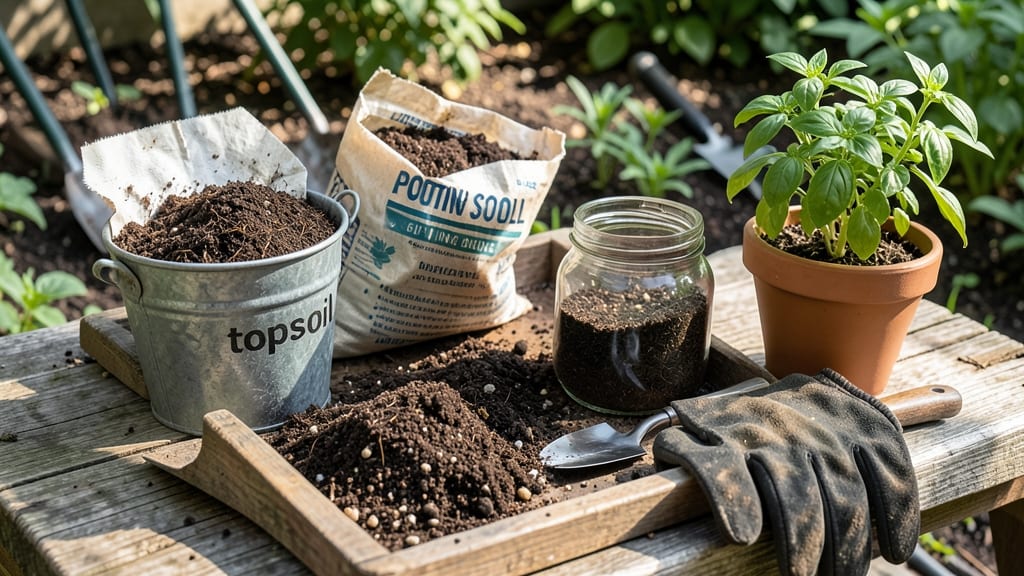
You can mix topsoil and potting soil for container gardens, as this combination balances drainage and moisture retention. A 50/50 ratio works for most plants, but adjust proportions based on specific plant needs and drainage requirements.
Combining these two soil types creates an ideal growing medium for container plants. Topsoil provides essential nutrients and better structure, while potting soil's lightweight texture helps prevent compaction. 🌱 This mix is especially useful for plants that need consistent moisture without becoming waterlogged.
For example, herbs and leafy greens thrive with a slightly higher topsoil ratio, while succulents benefit from more potting soil to prevent overwatering.
The key is understanding your plants' specific needs. Heavy feeders like tomatoes require more nutrient-rich topsoil, while delicate plants prefer the moisture control of potting soil. Always ensure your container has proper drainage holes to prevent root rot, regardless of the soil mix you choose.
💡 In This Article
- Why Mixing Topsoil and Potting Soil Improves Plant Growth
- Best Topsoil-to-Potting Soil Ratios for Different Plants
Why mixing topsoil and potting soil improves plant growth
Topsoil and potting soil each bring unique properties to container gardening. Topsoil contains natural organic matter, minerals, and beneficial microbes that feed plants over time, while potting soil is sterilized and lightweight, designed to prevent compaction and improve aeration.
When combined, they create a balanced medium where roots can access both nutrients and oxygen efficiently. The organic matter in topsoil breaks down slowly, releasing nutrients gradually, while potting soil's structure prevents the mix from becoming too dense—ideal for roots that need space to expand.
The texture difference is critical: topsoil particles are heavier and hold more moisture, while potting soil contains perlite or vermiculite to create air pockets. This combination reduces the risk of waterlogging, which can suffocate roots, while still providing enough moisture retention for most plants.
For example, a 50/50 blend achieves a porosity of about 40-50%—the sweet spot for oxygen flow and water drainage. Without this mix, pure topsoil can compact over time, restricting root growth, while pure potting soil lacks the nutrients needed for long-term plant health.
Nutrient availability is another key factor. Topsoil contains essential minerals like nitrogen, phosphorus, and potassium, which support leafy growth, flowering, and root development. Potting soil, while nutrient-poor, compensates with its ability to hold fertilizers near roots. This synergy means your plants get both immediate and sustained nourishment.
For instance, tomatoes thrive in a 60% topsoil/40% potting soil mix because they're heavy feeders, while herbs like basil prefer a 50/50 balance to avoid overfeeding.
Drainage is where this mix truly shines. Pure topsoil can become waterlogged, especially in small containers, while pure potting soil drains too quickly, leaching nutrients. The hybrid approach mimics natural soil conditions, where water percolates through layers at varying speeds.
For example, adding 20% more potting soil to a heavy clay topsoil blend improves drainage by 30-40%, reducing the risk of root rot in moisture-sensitive plants like ferns or calatheas.
Microbiological benefits also play a role. Topsoil introduces beneficial fungi and bacteria that help break down organic matter and protect against pathogens. Potting soil, being sterile, lacks these microbes initially, but the combination creates an environment where these beneficial organisms can establish themselves over time.
This synergy is particularly valuable for container gardens, where soil ecosystems are more vulnerable to disruption than in-ground plots.
Consider this analogy: topsoil is like a well-stocked pantry with all the ingredients, while potting soil is the lightweight, airy container that keeps everything organized and accessible. Together, they create a growing medium that's both nourishing and breathable—exactly what container plants need to thrive. 🌱