
How To
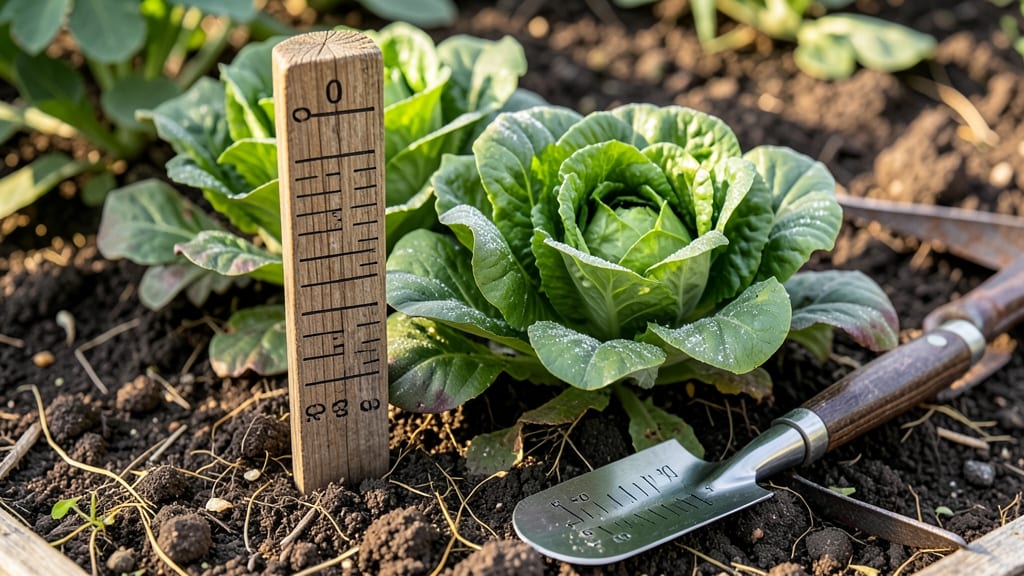
The soil depth for lettuce is shallower than you think—just 6-8 inches gives you crisp, sweet leaves without the hassle of deep beds. 🌱 I learned the hard way that planting too deep makes lettuce bolt faster, while too shallow means roots struggle during dry spells.
The secret lies in matching soil depth to the plant’s natural growth habits. Most gardeners overdo it with deep soil, but lettuce thrives in loose, nutrient-rich topsoil. A 6-inch-deep container or 8-inch-deep in-ground spot is perfect—enough room for roots to spread but not so deep that moisture gets trapped.
Add compost to the top 4 inches for the best flavor and texture. By mid-spring, you’ll be harvesting tender baby leaves in 3-4 weeks, with full heads ready in 6-8 weeks. The key?
Keep soil consistently moist but never soggy, and avoid planting in hot summer months when lettuce bolts. Works for both raised beds and containers, making it ideal for small spaces. Let’s get those seeds in the right depth!
📚 In This Guide
- What you need
- Instructions
- Tips and common mistakes
- Wrapping up and next steps
What you need
- ● Container or growing space: Minimum 6–8 inches deep (for leaf lettuce) or 10–12 inches deep (for head lettuce like romaine or iceberg).
- ● Options: Plastic, fabric, or wooden grow bags (5–10 gallons), raised beds, or in-ground plots.
- ● High-quality potting mix: Well-draining, sterile mix (avoid garden soil—it compacts and lacks nutrients).
- ● Add perlite or vermiculite (20% by volume) for aeration.
- ○ Optional: Compost (10–20%) for extra nutrients.
- ● Lettuce seeds or seedlings: Choose shallow-rooted varieties like butterhead, loose-leaf, or romaine.
- ● Seedlings: 3–4 per 6-inch pot or 12–18 inches apart in beds.
- ● Basic tools: Trowel or small hand shovel
- ● Watering can with a gentle spray nozzle (avoid blasting seeds)
- ● Measuring tape or ruler (to check soil depth)
- ● Drainage layer: Small rocks, gravel, or broken pottery shards (1–2 inches) at the bottom of containers.
- ● Fertilizer: Balanced 5-10-5 or fish emulsion (follow package rates).
- ● Mulch: Straw or shredded leaves to retain moisture.
- ● Grow lights or shade cloth: For indoor setups or hot climates (lettuce prefers partial shade).
Step-by-step guide to perfect lettuce soil depth in containers
Want crisp, flavorful lettuce without deep soil? Here's how to maximize shallow roots for container growing.
🪴 Step 1: Choose the Right Container Depth
Lettuce thrives in containers with at least 6 inches of soil depth—that's all those shallow roots need to access moisture and nutrients. I use 8-inch deep pots for my lettuce because they give those delicate roots room to spread horizontally while still keeping the soil volume manageable. Shallow trays under 4 inches will work for quick harvests like leaf lettuce, but you'll get stunted growth.
Check for drainage holes—lettuce roots rot quickly in soggy conditions. If your container lacks them, drill 2-3 holes in the bottom to prevent waterlogging. Place a 1-inch layer of gravel or broken pottery at the bottom before adding soil to improve drainage without sacrificing root space.
🌱 Step 2: Prepare Soil for Optimal Root Growth
Fill your container with lightweight potting mix—never garden soil, which compacts and suffocates shallow roots. I blend 50% potting mix with 30% perlite and 20% compost to create a fluffy, well-draining medium. This combination holds moisture without becoming waterlogged, which is critical for lettuce.
Fill the container to 1 inch below the rim, leaving space for watering. Press the soil down gently with your fingers until it's firm but not compacted—you want it to feel like a damp sponge. This ensures roots can easily push through without struggling against resistance.
💧 Step 3: Plant Lettuce Seeds or Transplants Correctly
For seeds, scatter them ¼ inch deep—lettuce seeds need light to germinate, so don't bury them too deeply. I like to sow 3-4 seeds per 6-inch pot and thin to the strongest seedling once they're 2 inches tall. If using transplants, place them 1-2 inches apart in the center of the pot, ensuring the roots aren't crowded.
Water gently after planting, keeping the soil evenly moist but not soggy. Lettuce roots are shallow and sensitive to drying out, so I check moisture daily by sticking my finger ½ inch into the soil. If it feels dry, it's time to water lightly again.
☀️ Step 4: Maintain Ideal Conditions for Shallow Roots
Lettuce prefers partial shade—especially in hot climates—so place your containers where they get 4-6 hours of morning sun and afternoon shade. Too much direct sun causes bolted lettuce, while too little light leads to leggy, weak plants. You'll know the light is right when leaves stay dark green and crisp without yellowing.
Keep the soil consistently moist by watering every 1-2 days, adjusting for temperature and humidity. In hot weather, I water in the early morning to reduce evaporation, while cooler days may only need watering every other day. Always water at the base to avoid wetting the leaves, which can lead to fungal issues.
✂️ Step 5: Harvest Strategically for Continuous Growth
For leaf lettuce, start harvesting outer leaves when they reach 3-4 inches tall, leaving the inner leaves to keep growing. This method gives you multiple harvests over weeks. For head lettuce, wait until the head is firm and compact—usually 4-6 weeks after planting—before cutting the entire head at the base.
After harvesting, add a ½-inch layer of compost to the soil surface to replenish nutrients. This shallow top-dressing encourages new growth without disturbing the roots. If your lettuce starts to bolt (sending up flower stalks), cover it with a shade cloth to slow the process and extend your harvest window.
Tips & tricks for perfect lettuce soil depth in containers
Here's what nobody tells you about growing lettuce in shallow containers—these tricks make all the difference between sad, stunted plants and crisp, thriving greens.
Container Depth Secret: While the instructions mention 6 inches as the minimum, I've found that adding a 1-inch layer of coconut coir beneath the soil in shallow containers (under 6 inches) can extend root space without adding bulk. This lightweight material holds moisture while giving roots room to spread horizontally, which is exactly what lettuce needs in tight spaces.
Drainage Hack: If you're using decorative containers without drainage holes, place them inside slightly larger pots with pebbles at the bottom. This creates a self-watering system where excess water drains into the pebbles while keeping the lettuce roots consistently moist. I've used this trick with terra cotta pots on my balcony—no more soggy roots!
Soil Mix Upgrade: The 50-30-20 blend of potting mix, perlite, and compost is perfect, but I add 1 tablespoon of worm castings per container for an extra nutrient boost. These castings release nutrients slowly, giving your lettuce a steady supply without the risk of burning shallow roots that can occur with quick-release fertilizers.
Lighting Troubleshooting: If your lettuce leaves are turning pale or stretching toward the light (a sign of etoliation), it's getting too much direct sun. Move containers to a spot with dappled shade during peak afternoon hours—this mimics the natural filtered light lettuce prefers. A sheer curtain over a sunny window works perfectly for indoor growing.
Pro Tips for Soil Depth For Lettuce
- Here's what nobody tells you about growing lettuce in shallow containers—these tricks make all the difference between...
- Container Depth Secret: While the instructions mention 6 inches as the minimum, I've found that adding a 1-inch layer...
- Drainage Hack: If you're using decorative containers without drainage holes, place them inside slightly larger pots w...
Frequently asked questions
Got questions about growing lettuce in shallow soil? You’re not alone! Here are answers to the most common concerns—whether you’re container gardening or working with limited space.
How deep should soil be for lettuce in containers?
Lettuce thrives in 6–12 inches of soil. For containers, aim for at least 8 inches deep—this gives roots enough room to spread without crowding. Shallow pots (under 6 inches) may stunt growth, while deeper containers (12+ inches) let you grow larger varieties like romaine.
Can I grow lettuce in just 4–6 inches of soil?
Yes, but expect smaller, slower-growing lettuce. Loose-leaf varieties (like butterhead or romaine) adapt better than head lettuce. Boost success by fertilizing regularly and choosing compact varieties labeled for containers. For best results, upgrade to 8+ inches if possible!
What if my soil is too shallow—can I add more later?
If your container lacks depth, top it off with potting mix before planting. Avoid disturbing roots—just add soil around the edges and water well. For established plants, transplant to a deeper container if you notice yellowing leaves or stunted growth (a sign of root-bound stress).
Are there lettuce varieties that tolerate shallow soil?
Yes! Opt for cut-and-come-again types like oakleaf or loose-leaf, which grow quickly and don’t need deep roots. Avoid iceberg or buttercrunch—they demand more space. Check seed packets for “container-friendly” labels to narrow your choices.
What are signs my lettuce isn’t getting enough soil depth?
Watch for these red flags: yellowing leaves, slow growth, or roots circling the pot’s bottom. If leaves taste bitter or bolt early (sends up a flower stalk), it’s often due to stress from cramped roots. Solution: Repot to deeper soil or harvest outer leaves to encourage regrowth.
Still unsure? Drop your container setup in the comments—we’re happy to help troubleshoot!
Wrapping up and next steps
Growing lettuce in containers is totally doable—even with shallow soil depths! 🌱 The key takeaway? Aim for at least 6–8 inches of soil to support those delicate roots while maximizing drainage and airflow.
Whether you’re using pots, raised beds, or window boxes, prioritize quality soil and regular care to keep your greens thriving.
Ready to harvest your crisp, homegrown lettuce? Start small with a few containers and experiment with soil mixes to find what works best for your space. Happy planting—and enjoy that fresh, garden-fresh taste! 🥬