
How To
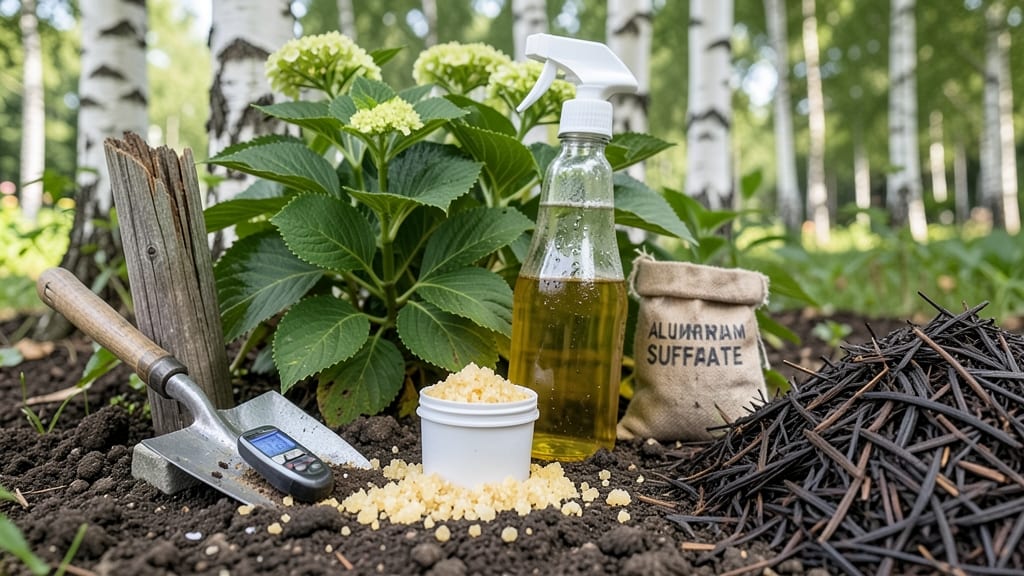
To make soil more acidic for hydrangeas, amend with sulfur, peat moss, or pine needles, then test pH levels regularly. Hydrangeas thrive in acidic soil between pH 5.0 and 6.0, so monitor adjustments carefully for optimal blooms.
Hydrangeas are finicky about soil acidity because their vibrant blooms depend on aluminum availability—something only acidic soil releases. 🌸 The right amendments don't just lower pH; they also improve soil structure.
For example, elemental sulfur takes 2-4 months to work, while pine bark fines provide immediate acidity while breaking down over time. I recommend starting with a soil test to avoid over-acidifying, which can harm beneficial microbes.
For best results, mix amendments into the top 6-8 inches of soil in early spring or fall, then water thoroughly. A simple DIY pH test using red cabbage juice or a store-bought kit will help track progress.
Remember: hydrangeas won't tolerate soil below pH 4.5, so gradual adjustments are key to avoiding root stress.
💡 In This Article
- Understanding Hydrangea Soil pH Requirements
- Step-by-Step Guide to Acidifying Soil for Hydrangeas
Understanding hydrangea soil pH requirements
Hydrangeas rely on acidic soil primarily because their vibrant blue blooms depend on aluminum uptake—a nutrient that only becomes available when soil pH drops below 6.0. At this lower pH, aluminum ions dissolve in the soil solution, allowing roots to absorb them.
This chemical process is why hydrangeas grown in pH 5.0-5.5 soil often produce stunning blue flowers, while those in pH 6.0-7.0 may yield pink blooms. The science here involves soil chemistry: higher pH levels cause aluminum to bind tightly to soil particles, locking it away from plant roots.
Beyond flower color, soil acidity affects nutrient availability. Essential elements like phosphorus, iron, and manganese become more soluble in acidic conditions, making them accessible to hydrangea roots. For instance, iron deficiency (common in alkaline soils) causes yellowing leaves—a problem that disappears when soil pH is corrected.
Organic amendments like elemental sulfur work by slowly oxidizing into sulfuric acid, which gradually lowers pH over 2-4 months. In contrast, pine bark fines provide immediate acidity while improving soil drainage and aeration.
Root health is another critical factor. Hydrangeas develop fine, fibrous roots that thrive in well-aerated, slightly acidic soil. When pH rises above 6.5, beneficial microbes that help break down organic matter become less active, reducing nutrient cycling.
This microbial decline can stress roots, making plants more susceptible to diseases like powdery mildew or root rot. The ideal soil environment also maintains proper moisture retention—hydrangeas hate soggy roots but need consistent hydration, especially during bloom season.
Here's what most gardeners overlook: hydrangeas won't tolerate extreme acidity below pH 4.5. While this level might seem ideal for blue blooms, it creates toxic conditions for roots by increasing aluminum and manganese to harmful concentrations.
The sweet spot is pH 5.0-6.0, where aluminum is available for blue flowers but not so acidic that it damages roots. This balance explains why some gardeners see temporary color changes after amending—it takes time for the soil chemistry to stabilize.
Consider this comparison: A soil test revealing pH 7.0 might need 1-2 pounds of elemental sulfur per 100 square feet to reach pH 6.0, while pH 6.5 soil may only require 0.5-1 pound.
Organic options like pine needles or coffee grounds work more slowly but provide long-term acidity while improving soil structure. The key is patience—soil pH changes gradually, especially in clay-heavy soils where amendments take longer to integrate.
For visual learners, think of soil pH like a seesaw: too high (alkaline) and aluminum locks away, leaving roots starved; too low (acidic) and roots get burned. The goal is that perfect middle ground where hydrangeas can access all nutrients while maintaining vibrant, healthy growth.
This balance is why professional gardeners recommend testing soil every 6-12 months after amendments—what worked last spring might need adjustment by summer.