
How To
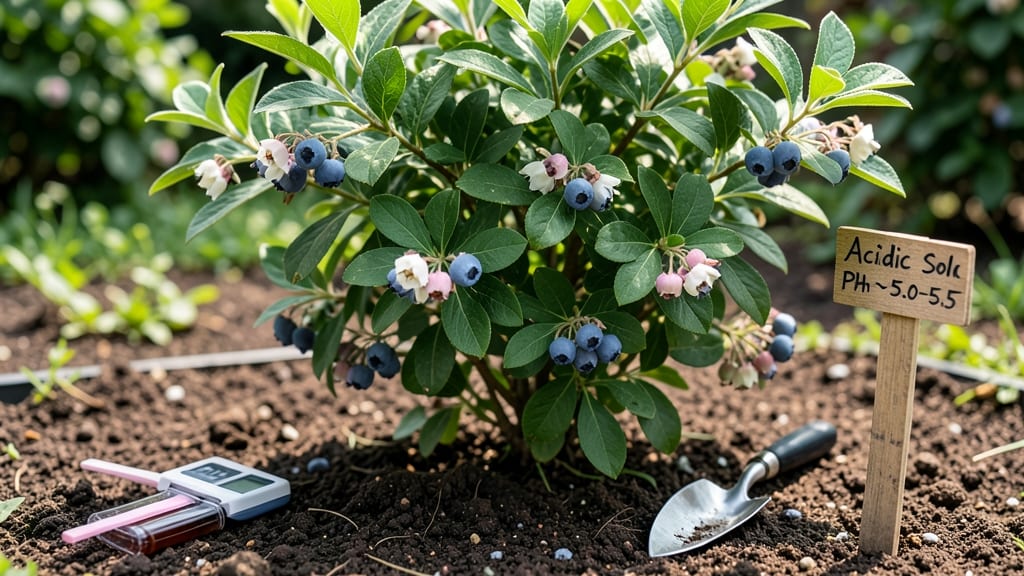
Yes, coffee grounds make soil more acidic by lowering pH slightly (typically 0.5–1.0 points), but their impact depends on dosage—too much can harm acid-sensitive plants while moderate use benefits acid-loving species like blueberries or azaleas.
Coffee grounds work because they contain natural organic acids like chlorogenic and quinic acids, which release hydrogen ions when they decompose. 🌱 The effect is gradual—fresh grounds are more acidic than composted ones, so aging them first reduces pH impact.
I’ve found that most gardeners see the biggest benefits when they mix used grounds into compost piles rather than scattering them directly on soil, which helps stabilize the acidity over time.
For plants that thrive in acidic conditions, like hydrangeas or rhododendrons, a light application every few weeks can boost growth.
But overdoing it—especially with fresh grounds—can create a hostile environment for vegetables or herbs that prefer neutral pH. Always test your soil first, and remember: a little goes a long way.
💡 In This Article
- How Coffee Grounds Affect Soil pH Chemistry
- Plant-Safe Coffee Grounds Application Guide
How coffee grounds affect soil pH chemistry
Coffee grounds contain natural organic acids like chlorogenic and quinic acids, which break down into hydrogen ions when they decompose. These ions react with soil minerals, gradually lowering the pH—typically by 0.5–1.0 points depending on how much you use.
Fresh grounds are more acidic (pH ~6.2–6.8) than composted ones (pH ~7.0 or higher), so aging them first reduces their impact. This chemical process is why gardeners often mix used grounds into compost piles rather than applying them directly.
The breakdown process releases not just acidity but also nitrogen, phosphorus, and potassium—key nutrients for plants. However, the acidity effect varies based on soil type: sandy soils (which drain quickly) show faster pH changes than clay soils (which buffer acidity).
For example, a 1-cup application of fresh grounds to a 10-gallon container might lower pH by 0.3–0.5 points over a month, while the same amount in clay soil could have minimal effect. 🌱
Repeated applications can alter soil structure over time by increasing organic matter, which improves water retention but may also create a more compacted layer if not mixed properly.
This is why experts recommend spreading grounds thinly and tilling them into the top 2–3 inches of soil rather than piling them in one spot.
The microbial activity that breaks down the grounds also releases heat, which can temporarily raise soil temperature by 5–10°F—a bonus for cold climates but potentially stressful for heat-sensitive plants.
What most people don’t realize is that coffee grounds act as a slow-release acidifier. Unlike synthetic fertilizers that spike pH instantly, their effect is gradual and depends on decomposition rates. In tropical climates, grounds break down in 2–4 weeks, while in cooler regions, it can take 6–8 weeks.
This delayed release is why composting grounds first is often the safest approach—it lets the worst of the acidity dissipate before you use them in your garden.
For comparison, vinegar (a common pH adjuster) drops soil pH by 1.0–1.5 points per application, while coffee grounds are far gentler. The key difference is that coffee’s acidity is balanced by its nutrient content, making it a dual-purpose amendment rather than just a chemical pH modifier.
This is why it’s so popular among organic gardeners who want to avoid harsh synthetic additives. ✨