
How To
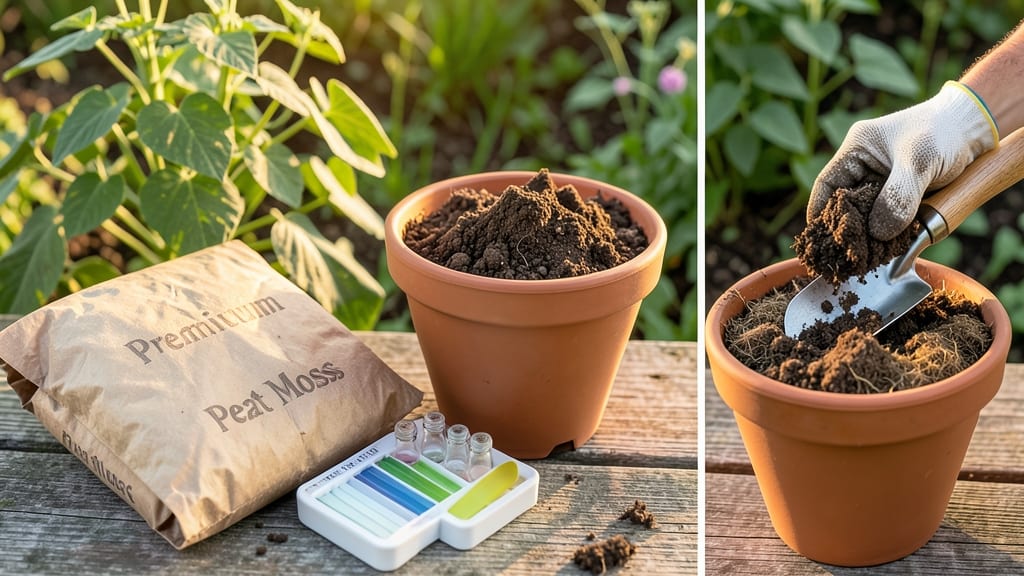
Peat moss lowers soil pH significantly, shifting it into the acidic range of 3.0 to 4.5 when incorporated, which benefits acid-loving plants like blueberries, azaleas, and rhododendrons while potentially damaging alkaline-tolerant varieties such as lavender or tomatoes.
Peat moss works its magic through natural organic acids released as it breaks down, creating an environment that mimics the acidic conditions many plants thrive in. 🔥 Unlike synthetic fertilizers, peat moss gradually alters pH over time, making it ideal for long-term soil adjustments.
The key is balance—too much can make the soil dangerously acidic, while too little may not provide enough of a shift for plants that truly need it.
For example, blueberries require that acidic range to absorb nutrients properly, while vegetables like tomatoes may struggle in overly acidic soil. I always recommend testing your soil's pH before adding peat moss—this helps you determine the right ratio for your specific plants and garden goals.
When mixing peat moss, consider combining it with compost or lime to buffer the acidity if needed. This creates a more stable growing environment while still supporting acid-loving species.
The beauty of peat moss lies in its versatility—it's not just about making soil acidic, but about fine-tuning the perfect conditions for your garden's needs.
💡 In This Article
- How Peat Moss Alters Soil pH Chemistry
- Best Peat Moss Blends for Acid-Loving vs. Neutral-Soil Plants
How peat moss alters soil pH chemistry
Peat moss lowers soil pH primarily through the release of organic acids during decomposition. These acids—humic and fulvic—are naturally present in peat and break down over time, releasing hydrogen ions (H+) that reduce the soil's alkalinity.
Unlike synthetic amendments, peat moss doesn't immediately change pH; instead, it creates a slow-release acidification process that can take months or even years to fully manifest. This gradual shift is why peat moss is so effective for long-term soil adjustments.
The high carbon-to-nitrogen ratio in peat moss (around 50:1) further accelerates acidification. Microorganisms break down organic matter, consuming nitrogen and releasing more hydrogen ions as a byproduct.
This process also increases the soil's cation exchange capacity (CEC), allowing it to hold more nutrients—particularly those essential for acid-loving plants like iron and manganese.
For example, blueberries thrive in soil with a pH between 4.5 and 5.5, while rhododendrons prefer 4.5 to 6.0, both ranges achievable with peat moss.
What makes peat moss unique is its ability to buffer pH changes over time. Unlike quick-acting amendments like sulfur or aluminum sulfate, peat moss provides a steady, predictable acidification.
When mixed into soil at a rate of 20-30% by volume, it can lower pH by 0.5 to 1.5 units per year, depending on existing soil conditions. This slow release prevents sudden pH shocks that could harm plant roots.
However, the effectiveness depends on the type of peat moss used. Sphagnum peat, the most common variety, is highly acidic (pH ~3.5-4.5), while reed-sedge peat is slightly less so (pH ~4.5-5.5).
Mixing these types can help fine-tune acidity levels for specific plants. For instance, gardeners often blend sphagnum peat with compost to create a more balanced growing medium while still maintaining acidity.
One critical factor is moisture. Peat moss retains water, which speeds up microbial activity and acid release. In dry conditions, the process slows significantly, making peat moss less effective. This is why it's often recommended for container gardens or areas with consistent moisture, where the acidification process remains active year-round.
Understanding these chemical processes helps explain why peat moss is a staple in acid-loving plant cultivation. Its ability to gradually lower pH while improving soil structure makes it far more versatile than many synthetic alternatives. For gardeners, this means fewer drastic adjustments and more predictable results over time. 🌱