
Plants
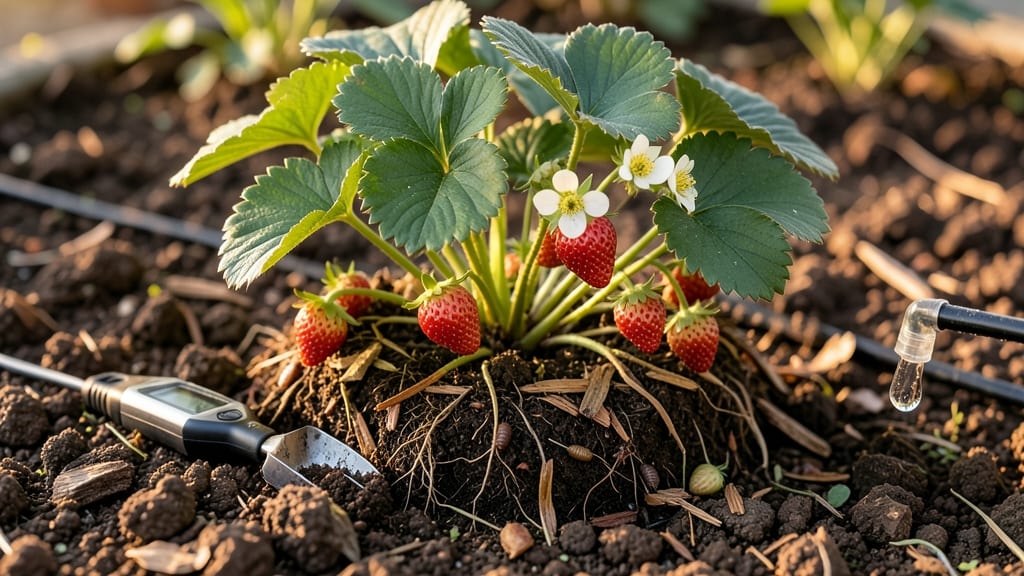
Strawberries like loose, fertile soil that drains well and contains plenty of organic material—think a blend with 10% compost or aged manure, a slightly acidic pH between 5.5 and 6.8, and a texture that stays aerated to keep roots healthy and prevent waterlogging.
What soil do strawberries like? They’re fussy about their growing conditions, and soil quality makes all the difference. 🌱 The ideal mix promotes strong root development while preventing rot, which is why organic matter like compost or well-rotted manure is essential. I’ve found that adding perlite or coarse sand helps maintain that loose, airy texture—critical for preventing fungal diseases that thrive in compacted soil. For container growing, a blend of potting soil with 20-30% coconut coir works wonders, as it holds moisture without becoming soggy.
Don’t overlook the pH factor—strawberries crave slightly acidic soil because it unlocks key nutrients like phosphorus, which fuels flowering and fruiting. 💫 Testing your soil’s pH before planting can save you from poor yields later.
And remember: fresh strawberry plants need a nutrient boost, so amending the soil with a balanced fertilizer at planting time gives them the best start.
💡 In This Article
- Strawberry Soil Requirements: pH, Texture, and Nutrient Needs
- DIY Strawberry Soil Mix: Best Amendments and Recipes
Strawberry soil requirements: pH, texture, and nutrient needs
Strawberries are shallow-rooted plants, meaning their roots spread horizontally just 6-12 inches below the surface. This makes them highly sensitive to soil compaction, which restricts oxygen flow and triggers root rot. The ideal texture is loose and crumbly—similar to a well-fluffed cake batter—allowing roots to expand freely.
Compacted soil, often found in clay-heavy gardens, can suffocate roots and invite fungal pathogens like Phytophthora, which causes crown rot and can wipe out entire plants in wet conditions.
The slightly acidic pH range (5.5–6.8) isn't just a preference—it's a biological necessity. Strawberries absorb nutrients like phosphorus and iron most efficiently in this range. Phosphorus, for example, becomes locked in the soil at pH levels above 7.0, leaving plants starved even if the soil appears rich.
You can test your soil's pH with a simple kit (costing around $10) or send a sample to your local cooperative extension service for a detailed analysis.
If your soil tests too alkaline, adding elemental sulfur at a rate of 1 pound per 100 square feet can gradually lower the pH over a few months.
Organic matter isn't just food for strawberries—it's the foundation of their soil ecosystem. Compost or aged manure provides a slow-release nutrient buffer while improving soil structure.
Think of it like a sponge: organic matter holds 3-4 times its weight in water while still allowing excess to drain away, preventing both drought stress and waterlogging.
For container-grown strawberries, I've found that mixing in 20% worm castings (by volume) boosts microbial activity, which helps break down nutrients into forms the plants can absorb more easily.
Drainage is often overlooked, but it's critical for strawberry health. Poor drainage leads to oxygen deprivation in roots, causing them to turn black and mushy—a condition called anaerobic stress. To test drainage, dig a hole 12 inches deep, fill it with water, and time how long it takes to drain.
If it's still damp after 2 hours, your soil needs amending with coarse sand or perlite. For raised beds, I recommend a mix of 60% garden soil, 20% compost, and 20% perlite to create the perfect balance of moisture retention and aeration.
One common mistake is assuming all organic matter is equal. Peat moss, for instance, is highly acidic (pH 3.5–4.5) and can lower your soil's pH too much if used alone. Instead, pair it with lime (calcium carbonate) to buffer the acidity while still improving texture.
For container growing, a blend of 50% potting soil, 30% coconut coir, and 20% perlite creates an ideal environment that mimics the loose, well-draining conditions strawberries crave in their native woodland habitats.
Here's a pro tip: If you're planting strawberries in heavy clay soil, consider creating a "soil sandwich" by layering 6 inches of amended soil over the native clay. This gives roots access to the nutrients and aeration they need while still allowing them to anchor securely.
The key is to maintain this loose structure—regularly adding 1-2 inches of mulch (like straw or shredded leaves) helps preserve soil moisture and temperature while preventing compaction from foot traffic.