
How To
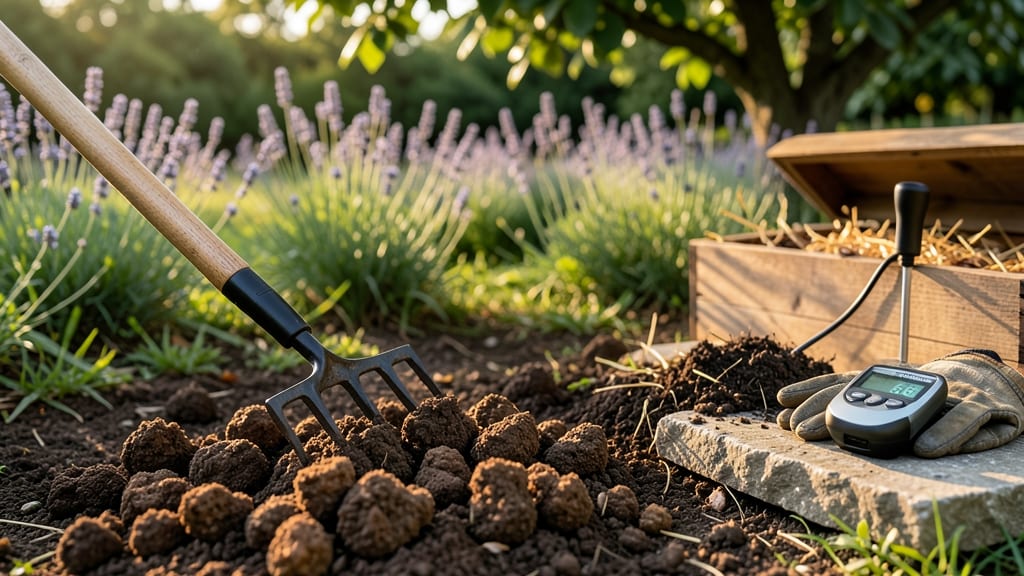
Understanding till the soil meaning involves breaking up compacted earth to improve air circulation, water drainage, and nutrient distribution in the top layer. This gardening practice is crucial for creating optimal growing conditions before planting or after harvesting.
Tilling transforms dense soil into loose, crumbly earth that plants thrive in.
By disrupting compacted layers, this process creates pockets of air that roots need to breathe and expand, while also preventing waterlogging that can suffocate plant systems. 🌱 I've found that proper tilling depth—typically 6 to 12 inches—strikes the balance between aeration and root disturbance, though heavy clay soils often require shallower passes to avoid creating a plow pan.
The timing matters too: tilling in early spring or fall allows the soil to settle before planting season while preventing erosion from winter rains.
The right tools make all the difference—broadforks for minimal disturbance or rototillers for larger areas. For clay-heavy soils, I recommend adding organic matter like compost during tilling to improve texture over time.
What's often overlooked is that over-tilling can actually harm soil structure by destroying beneficial microbial communities, so moderation is key to maintaining long-term garden health.
💡 In This Article
- How Proper Soil Tilling Enhances Plant Growth
- Best Times and Tools for Tilling Garden Soil
How proper soil tilling enhances plant growth
The core purpose of tilling is to disrupt compacted soil layers that naturally form from foot traffic, machinery, or seasonal settling. When you till, you're essentially breaking up these dense zones to create air pockets that roots can access.
Studies show that well-aerated soil can increase root growth by up to 30% compared to compacted earth, as roots encounter less resistance when expanding. The ideal tilled soil has a crumbly texture—similar to moist potting mix—rather than the hardpan that develops when soil remains undisturbed for long periods.
Water management becomes significantly easier in tilled soil because the improved structure allows excess moisture to drain while retaining enough water for roots.
Sandy soils, which drain too quickly, benefit from tilling that incorporates organic matter to slow water loss, while clay soils gain the ability to release moisture more evenly.
The science behind this involves soil porosity: tilling creates macro-pores (larger than 0.05mm) for drainage and micro-pores (0.002-0.05mm) for water storage. This dual system prevents both drought stress and waterlogging—two common issues in untilled gardens.
Microbial activity receives a major boost from proper tilling because beneficial bacteria and fungi thrive in the newly created oxygen-rich environment. These microorganisms break down organic matter into nutrients plants can absorb, creating a more fertile growing medium.
However, there's a critical balance: tilling too deeply (12+ inches) can sever shallow root systems while creating what's called a "plow pan" at the bottom of the tilled zone, which actually worsens drainage.
The sweet spot for most garden vegetables is 6-8 inches deep, though root crops like carrots may require shallower passes to prevent damage.
One common misconception is that tilling needs to be aggressive to be effective. In reality, gentle tilling with a broadfork (a four-pronged tool) can achieve similar benefits with 30% less disturbance to soil structure than motorized tillers.
This method preserves soil aggregates—the natural clumps that hold moisture and nutrients—while still improving aeration. The key is to work the soil when it's moist but not soggy, as dry soil crumbles poorly and wet soil compacts easily when tilled.
Consider the example of tomato plants: in compacted soil, their roots often grow in a shallow, circular pattern searching for air pockets, while in properly tilled soil, they can extend 2-3 feet deep for stable anchorage and better access to water.
The difference in plant vigor is dramatic—tilled beds typically produce 20-40% more yield due to improved root development alone. This demonstrates how tilling isn't just about breaking up soil, but creating an entire ecosystem where roots, microbes, and water can function optimally together.
The timing of tilling also affects microbial communities. Tilling in late summer can expose dormant weed seeds to sunlight, causing a flush of unwanted growth, while tilling in early spring allows beneficial microbes to recolonize the disturbed soil before planting.
This seasonal consideration shows how tilling is both a mechanical process and a biological management technique that requires thoughtful timing to maximize benefits while minimizing drawbacks.