
Pests
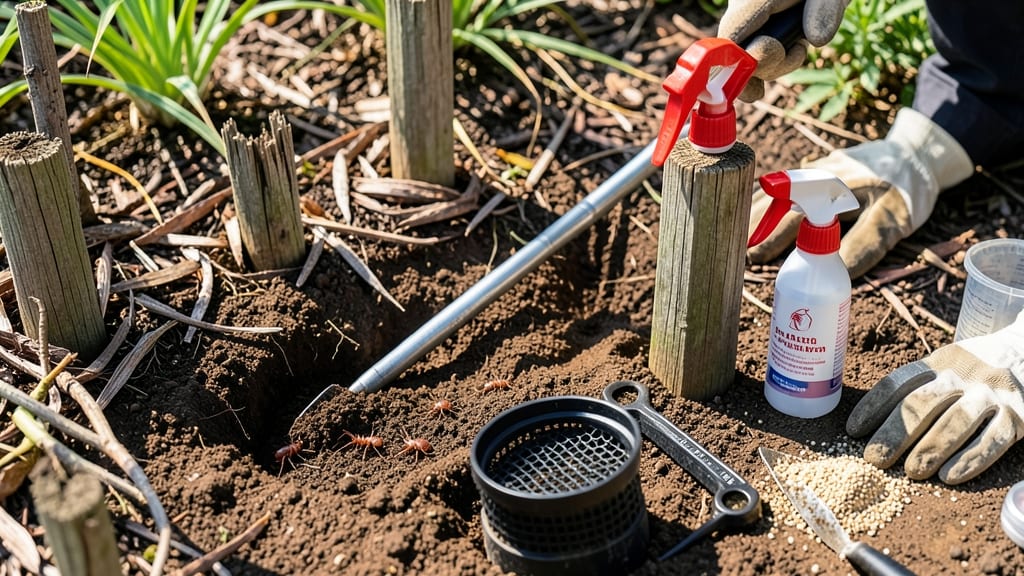
Termites in soil don’t just threaten your garden—they can silently destroy wooden structures, mulch piles, and even plant roots. 🌱 I’ve treated my share of termite damage, and the key is acting fast with non-toxic baits that work within weeks.
These baits lure termites away from your plants and soil, breaking their colony from the inside out. The first step is identifying their presence—look for tiny mud tubes on stems, hollow-sounding wood, or swarms of winged termites near light sources. Once you confirm they’re there, skip the harsh chemicals.
Instead, use borax-based baits or cardboard traps soaked in water to draw them out. These methods are safer for plants and soil health while still effective. Within 2-4 weeks, you’ll see termite activity decline as the colony weakens.
The bait spreads through their tunnels, ensuring long-term control without harming beneficial insects or your garden’s ecosystem. Plus, it’s a fraction of the cost of professional fumigation. This approach works for backyard gardens, raised beds, and even container setups. The best part?
It’s a one-time solution that prevents future infestations when done right. Let’s get those termites under control—naturally.
The hidden triggers behind soil termites
Termites in your soil aren’t just random visitors—they’re drawn by a mix of environmental, structural, and even human-made factors. Understanding why they show up helps you stop them before they become a full-blown infestation. Here’s what’s really inviting them to your yard.
Termites thrive in damp environments because moisture keeps their bodies hydrated and softens the cellulose in wood, making it easier to digest. Here’s how excess moisture becomes their favorite hangout:
- Poor Drainage: Clay-heavy or compacted soil traps water like a sponge. If your yard has low spots, slopes leading to your foundation, or areas where water pools after rain, termites see it as a buffet.
💡 Pro Tip: Test drainage by digging a small hole (6–12 inches deep) and filling it with water. If it drains slowly (more than 6 hours), you’ve got a termite magnet.
- Leaky Pipes or Irrigation Issues: Burst pipes, broken sprinkler heads, or overwatering create underground moisture hotspots. Subterranean termites (the most common type) build mud tubes to access these damp zones, often right near your home’s foundation.
- Wood in Contact with Soil: Firewood stacks, untreated wooden deck posts, or mulch piled too close to your house provide both food and moisture. Termites don’t need an invitation—they’ll just move in.
Termites are obsessional about cellulose—the main component of wood. Even if your house is termite-proof, nearby decaying wood can lure colonies close enough to cause collateral damage. Here’s what they’re snacking on:
- Dead Trees or Stumps: A rotting tree in your yard isn’t just an eyesore—it’s a termite headquarters. The fungus and bacteria breaking down the wood release sugars that attract termites, even from miles away.
- Cardboard or Paper Debris: Old newspapers, cardboard boxes, or even that stack of junk mail in your shed are termite gold mines. They don’t discriminate—they’ll munch on anything cellulose-based.
- Improperly Treated Wood: Pressure-treated lumber is great for decks, but if it’s not fully treated (especially the ends), termites will feast on the untreated parts. Check for soft, spongy spots—it’s a termite dinner bell.
Termites avoid extreme heat, cold, or direct sunlight. They prefer environments that mimic their natural habitats—warm, humid, and hidden. Here’s how your property might be offering them a five-star suite:
- Foundation Cracks or Gaps: Even tiny gaps (as small as 1/8 inch) in your home’s foundation, siding, or crawl space vents let termites slip inside unnoticed. They’ll build mud tubes to maintain humidity and darkness, turning your walls into their personal termite hotel.
- Landscaping Against the House: Shrubs, mulch, or even thick ground cover planted right up against your home’s exterior walls create a moisture barrier that termites love. The lack of airflow keeps the area damp and shaded—ideal for their mud tubes.
- Old or Damaged Wooden Structures: Fences, sheds, or playhouses made of untreated wood are termite magnets. If these structures are near your home, they act as bridgeheads for colonies to expand toward your house.
Some common yard treatments can accidentally make your soil more appealing to termites by altering its composition or creating moisture pockets:
- Excessive Fertilizer Use: Over-fertilizing, especially with nitrogen-rich products, can kill beneficial microbes in the soil. This disrupts the natural balance, making the soil more hospitable to termites (and other pests like fungus gnats).
- Pesticide Residue: While pesticides target termites, some chemicals can stress the soil ecosystem, creating weak spots where termites thrive. For example, organophosphates can harm beneficial nematodes that prey on termite larvae.
- Septic System Leaks: A failing septic tank or drain field can leak wastewater into the soil, creating a sugar-rich environment that termites adore. The combination of moisture and organic waste is a termite dream scenario.
Termites don’t just appear out of nowhere—they’re part of established colonies. If another property nearby has an infestation, yours is at high risk. Here’s how it happens:
- Swarmers on the Move: During spring or after rain, termite colonies release winged swarmers (reproductive termites) to find mates. If your yard is moist and has food sources, these swarmers will land, shed their wings, and start new colonies right in your soil.
- Undetected Mud Tubes: Termites build mud tubes to travel between food sources and their colony. If a neighboring property has termites, their mud tubes might extend under your yard, undetected, until they find a way into your home.
- Shared Utility Lines: Buried power lines, pipes, or even tree roots can create bridges for termites to move between properties. If your neighbor’s colony is large, they’ll spread until they hit a food source—or your house.
Termite Soil Treatment Solutions
Termites in your yard’s soil don’t have to mean a costly, chemical-heavy battle. With the right approach, you can eliminate existing colonies and prevent future infestations using non-toxic, effective methods that work in weeks.
Below, we break down targeted solutions based on the root cause of your termite problem—plus prevention tips to keep them away for good.
---
Cause: Termites build mud tubes for moisture and protection, or you’re spotting them crawling above ground. Fix: - 🍳 Block Their Paths: Use a hardwood stick or metal scraper to crush mud tubes (they’ll rebuild, but this slows them down). - 👨🍳 Apply Diatomaceous Earth (DE): Sprinkle food-grade DE along foundation walls, mulch beds, and crawl spaces. The microscopic particles dehydrate termites in 24–48 hours. - 🥘 Starve with Wood Baits: Place cardboard or untreated wood blocks near active tubes. Termites will feed, spread the non-toxic bait (like Recruit IV or Sentricon), and die within weeks.
✨ Pro Tip: Reapply DE after rain—it loses effectiveness when wet!
---
Cause: Termites thrive in wet, poorly drained soil (especially near foundations, woodpiles, or leaky pipes). Fix: - 💡 Improve Drainage: Redirect gutters away from your home, fix leaks, and install gravel or sand under mulch to prevent moisture buildup. - 🎯 Use Termite-Resistant Mulch: Switch to cedar, rubber, or gravel mulch—termites avoid these materials. - 🔥 Solar-Powered Termite Repellents: Place solar-powered moisture barriers (like TermiGuard) in the soil—they emit a termite-repelling scent when activated by sunlight.
💡 Pro Tip: Keep firewood at least 20 feet from your house and elevated on metal stands to deter termites.
---
Cause: Termites are directly attacking wood (decks, fences, or your home’s foundation). Fix: - ⏰ Remove Infested Wood: Cut away damaged wood (burn or dispose of it far from your property). - 🔪 Seal Entry Points: Fill cracks in concrete slabs, brick, or wood with sand-cement mix or termite-proof caulk. - 🛡️ Install Physical Barriers: Use metal mesh (hardware cloth) or termite shields around crawl spaces and basements.
✨ Pro Tip: Treat wood with borax or boric acid solution (1 cup borax + 1 gallon water) to kill termites on contact—safe for humans once dry.
---
Cause: Certain plants (like honeysuckle, jasmine, or azaleas) attract termites. Fix: - 🌿 Replace Attractive Plants: Swap termite-loving plants for termite-resistant options like: - Marigolds (natural repellent) - Lemongrass (citronella deters them) - Boxwood or Holly (less appealing to termites) - 🚫 Avoid Wood Chips: Skip using untreated wood chips as mulch—opt for gravel, rubber, or inorganic mulch instead.
💡 Pro Tip: Plant mint or catnip near your foundation—termites hate the scent!
---
Once you’ve treated the current infestation, prevent recurrence with these low-maintenance habits: - 📊 Schedule Annual Inspections: Hire a pest control pro to check for early signs (swarmers, mud tubes). - 💪 Use Termite Bait Stations: Install non-toxic bait systems (like Sentricon) in the soil—they eliminate colonies before they spread. - 🌡️ Monitor Moisture Levels: Use a soil moisture meter—termites love soil with >20% moisture. - 🏡 Elevate Wood Structures: Keep decks, fences, and firewood off the ground (use concrete blocks or metal stands).
--- Final Thought: Termites in soil don’t require harsh chemicals—with strategic baiting, moisture control, and smart landscaping, you can eliminate them in weeks and keep them away long-term. Start with one or two fixes this week, and watch your yard become a termite-free zone! 🚫🐜
Frequently asked questions about termites in soil
How do I know if my soil has termites instead of ants or other pests?
Look for mud tubes (quarter-inch-wide tubes) on stems, foundations, or soil—these are termite highways. Unlike ants, termites have straight antennae, no wings (unless swarmers), and leave behind sawdust-like frass near entry points. Swarmers (winged termites) drop wings in pairs, while flying ants shed them individually.
Can I use vinegar to kill termites in soil?
Vinegar won’t eliminate a colony but can help disrupt termite trails temporarily. Mix equal parts white vinegar and water, spray directly on mud tubes, and reapply weekly. For better results, combine it with diatomaceous earth or borax baits—vinegar alone won’t reach their underground nests.
Will treating termites in soil harm my plants or lawn?
Non-toxic methods like borax baits, diatomaceous earth, or neem oil are safe for plants once dry. Avoid chemical pesticides near edible gardens or water sources. Always test treatments on a small area first—some plants (like citrus) are sensitive to even natural repellents.
How long does it take for termite baits to work in soil?
Most baits (like Recruit IV or Sentricon) take 4-8 weeks to eliminate a colony. Worker termites carry the bait back to the nest, poisoning the queen and larvae. Check bait stations monthly—if termites aren’t feeding, replace the bait. Patience is key; rushing can lead to incomplete treatment.
Should I call a professional if I find termites in my garden soil?
DIY methods work for small infestations, but call a pro if you see swarmers indoors, structural damage, or large mud tubes near your home. Professionals use subterranean bait systems that penetrate deep nests. For gardens, focus on prevention—moisture control and bait stations are usually enough!