
How To
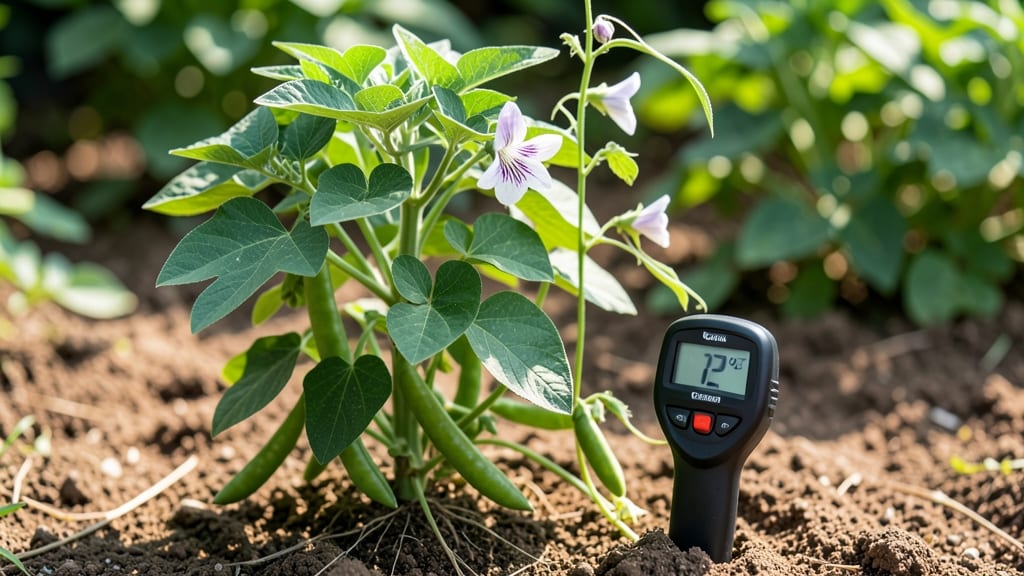
For beans to germinate fast and grow strong, your soil needs to hit the right temperature—60°F (15°C) is the magic number most varieties crave.
Struggling with slow bean germination or weak plant growth? Soil temperature plays a far bigger role than most gardeners realize—getting it wrong can mean the difference between a thriving harvest and wasted seeds.
In cooler climates like USDA Zone 6a, waiting until late April or early May ensures your 🌱 beans get the warmth they need to sprout within 5-7 days. Too cold, and seeds rot; too hot, and they dry out before breaking through.
Below, I’ll show you how to test your soil’s heat, adjust it naturally, and pick the perfect planting window for fast germination—no guesswork, just results.
Optimal soil temperature ranges for bean germination by variety
Beans are one of those crops where soil temperature can make or break your harvest. Unlike cold-hardy veggies like peas, beans need warm soil to germinate quickly and grow strong. Planting too early in cool soil often results in seeds rotting in the ground or sprouting unevenly.
The ideal soil temperature for beans typically falls between 60°F and 90°F (15°C–32°C), but different varieties have specific preferences.
Understanding these ranges helps you time your planting perfectly. For example, pole beans and bush beans have slightly different thresholds, and runner beans (like scarlet runners) are even more sensitive to cold. Even a 5°F (3°C) difference can slow germination by days—or worse, kill your seeds before they sprout.
Let’s break down the exact temperature ranges by variety and how to use this info to your advantage.
Why soil temperature matters: Beans are warm-season crops, meaning their enzymes activate best in heat. Below 55°F (13°C), germination stalls, and above 95°F (35°C), seeds may dry out or rot. The sweet spot? 70°F–80°F (21°C–27°C) for most varieties, where seeds sprout in 5–10 days.
Notice how runner beans require the warmest soil and take the longest to germinate? That’s because they’re heat-loving varieties originally from tropical regions. Meanwhile, bush beans like Blue Lake are more forgiving and can handle slightly cooler soil, making them better for early spring or cool climates.
If you’re in USDA Zone 5 or colder, focus on bush varieties or use soil-warming tricks.
Temperature also affects germination speed. At 60°F (15°C), seeds may take 2–3 weeks to sprout, while at 80°F (27°C), they’ll emerge in just 5–7 days. This speed difference is critical for avoiding pests like cutworms, which target slow-growing seedlings.
For example, planting pole beans in 65°F (18°C) soil might mean they’re vulnerable for an extra week compared to 75°F (24°C) soil.
Another key factor is soil consistency. Even if the air temperature is warm, moist, compacted soil stays cooler than dry, loamy soil. That’s why raised beds or hill planting (mounding soil over seeds) can help warm the root zone faster.
I’ve seen gardeners in Zone 4 successfully grow beans by planting in black plastic mulch, which raises soil temps by 5–10°F (3–6°C).
For late-season plantings, heat can become an issue. Soil temps above 90°F (32°C) can cause seed desiccation or even premature germination (seeds sprouting in the seed packet). In these cases, shade cloth or evening watering to cool the soil helps.
I once grew black beans in Arizona’s summer by planting in the shade of corn stalks—the soil stayed below 85°F (29°C), and germination was flawless.
Pro tip: Use a soil thermometer (they’re cheap and game-changing). Stick it 2 inches deep—that’s where your bean seeds will be—and check temps morning and evening.
If it’s below 60°F (15°C), wait or use a clear plastic tunnel to trap heat. If it’s above 90°F (32°C), delay planting
How to test and adjust soil temperature for faster bean growth
Beans are sensitive to soil temperature, and planting too early or late can stall germination or stunt growth. The ideal soil temperature for beans ranges between 60°F to 85°F (15°C to 29°C), with 70°F (21°C) being the sweet spot for fastest sprouting.
If your soil is too cold, seeds may rot; if too hot, they can dry out before germinating. Understanding how to measure and adjust these conditions ensures a head start on your harvest.
Before planting, check your local climate zone and last frost date. In cooler regions like USDA Zones 3-5, wait until soil warms to 60°F (15°C)—typically late April to early May. Warmer zones (Zones 6-10) can plant as early as March, but monitor temperatures closely.
Use a soil thermometer (inserted 2 inches deep) to get accurate readings, especially in mornings when temps are lowest.
⚠️ callout-warning ⚠️
If soil temps drop below 50°F (10°C), bean seeds may fail to germinate or develop fungal diseases. Test soil for 3 consecutive days before planting—if temps fluctuate wildly (e.g., 55°F mornings, 75°F afternoons), delay planting or use row covers to stabilize warmth. Overheating above 90°F (32°C) can also cause seeds to dry out; water lightly to maintain moisture without cooling soil too much.
To adjust cold soil, try these quick fixes: Lay down black plastic mulch 1-2 weeks before planting to absorb sunlight and raise temps by 5-10°F (3-6°C). For hot soil, use shade cloth (30-50% coverage) to prevent seeds from drying out.
If your garden is consistently too cool, plant in raised beds—they warm up faster than in-ground soil. Avoid tilling heavily, as disturbed soil loses heat quicker.
Timing is everything: Plant pole beans when soil hits 65°F (18°C) for best vigor, while bush beans tolerate slightly cooler 60°F (15°C) soils. If you’re in a hurry, soak seeds overnight in warm water (80°F/27°C) to kickstart germination, but don’t rely on this long-term—soil conditions still matter most.
For container gardening, use heat mats ($20-$30) under pots to maintain 70°F (21°C) consistently.
Troubleshoot slow germination by checking for uneven moisture or compacted soil, which traps cold. Loosen soil with a fork to improve airflow and warmth. If seeds sprout but seedlings look leggy or weak, they’re stretching toward light—thin plants to 3-4 inches apart and provide afternoon shade until roots establish.
Monitor soil temps weekly, especially after rain, as damp soil stays cooler longer.
Pro tip: Use a free soil thermometer app (like "Soil Temp") to track trends in your garden. Aim for consistent temps—beans hate fluctuations. With the right adjustments, you’ll see sprouts in 5-7 days instead of weeks.
Once established, beans thrive in warmth, but early soil prep makes all the difference for a bountiful harvest. 🌱