
How To
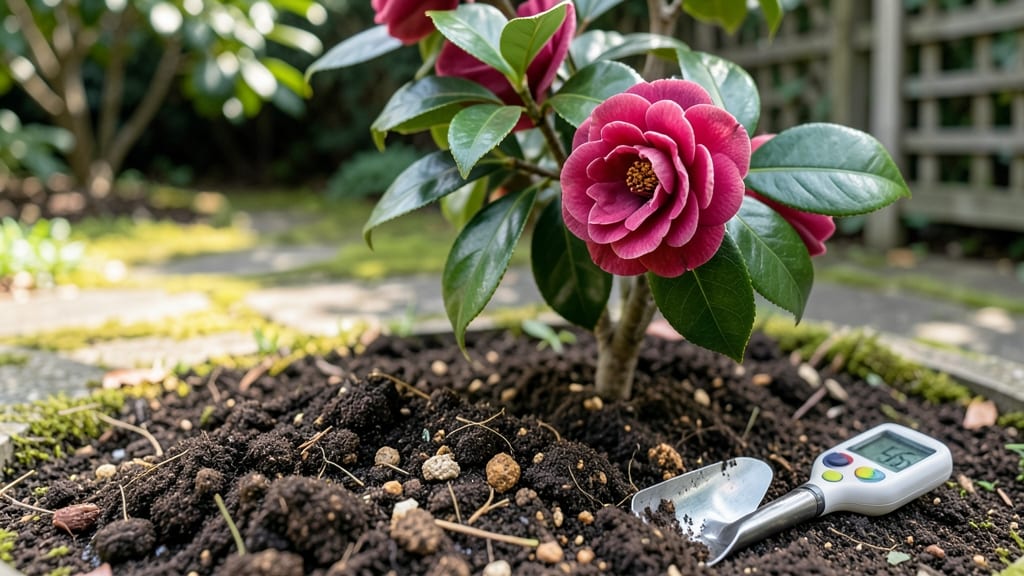
For camellias, the ideal soil is well-draining, acidic loam with a pH between 5.0 and 6.5, incorporating organic matter like peat moss or pine bark to replicate their natural woodland habitat. Heavy clay or alkaline soils will stunt growth and reduce flowering.
Camellias are finicky about their growing conditions, and soil composition plays a huge role in their success. 🌿 The right acidity unlocks critical nutrients like iron and manganese, which prevent yellowing leaves and promote vibrant blooms.
I’ve seen firsthand how plants in slightly acidic soil (around 5.5) produce twice as many flowers compared to those in neutral or alkaline conditions.
If your soil tests higher than 6.5, you’ll need to amend it with sulfur or pine needles to lower the pH gradually—never try to adjust it all at once, as sudden changes can shock the roots.
Another key factor is drainage. Camellias hate soggy feet, so if your native soil is heavy clay, mix in perlite or coarse sand to improve aeration.
In containers, I recommend a blend of 50% peat moss, 30% pine bark fines, and 20% composted pine needles—this mimics their native woodland floor while preventing compaction. For established plants, top-dressing with a 1-inch layer of compost every spring keeps nutrients available without overwhelming the roots.
💡 In This Article
- Why Acidic Soil is Essential for Camellia Health
- DIY Camellia Soil Mix Recipes for Different Climates
Why acidic soil is essential for camellia health
Camellias evolved in the acidic soils of East Asian forests, where pH levels naturally range from 4.5 to 6.0. This acidity isn't just a preference—it's a biological necessity for nutrient uptake.
At lower pH levels, essential micronutrients like iron and manganese become more soluble, allowing roots to absorb them efficiently.
Without this acidity, these nutrients bind to soil particles and become unavailable, causing yellowing leaves (chlorosis) and stunted growth. 🌱 In fact, studies show that iron deficiency—common in alkaline soils—can reduce camellia flowering by up to 70%.
The root zone chemistry also shifts dramatically with pH. In acidic conditions, beneficial soil microbes thrive, breaking down organic matter into forms camellias can use. These microbes also suppress harmful pathogens that flourish in neutral or alkaline soils.
For example, Phytophthora root rot, a deadly fungus, becomes more aggressive when soil pH rises above 6.5. The plant's natural defense mechanisms weaken too—camellias produce fewer antifungal compounds in alkaline environments, making them more susceptible to diseases.
What's happening at the cellular level? Camellia roots have specialized hairs that absorb nutrients through a process called chelation. In acidic soils, these hairs can bind more effectively to iron and manganese, which are critical for chlorophyll production and energy transfer.
When soil pH climbs above 6.5, these nutrients precipitate out of solution, leaving the plant starved despite being in fertile soil. This is why even well-fertilized camellias in alkaline conditions often show signs of malnutrition.
Another critical factor is how soil acidity affects flowering. The hormonal balance that triggers bud formation is pH-sensitive. Camellias in ideal acidic conditions (5.0-6.0) produce 2-3 times more blooms than those in neutral soil (pH 7.0).
The acidity also preserves the vibrant reds and pinks in petals by maintaining proper anthocyanin production—the pigments responsible for those stunning colors. In alkaline soils, these pigments break down faster, leading to duller, less vibrant flowers.
For gardeners, this means regular soil testing is non-negotiable. Use a digital pH meter or send samples to a lab for accurate readings. If your soil tests above 6.5, amend it gradually with elemental sulfur or aluminum sulfate.
These amendments lower pH by producing sulfuric acid when they react with soil moisture. Spread 1 pound of sulfur per 100 square feet and water thoroughly—repeat every 3-6 months until you reach the target range.
One common mistake is over-amending with acidic materials like coffee grounds or vinegar. While these can lower pH temporarily, they also disrupt soil microbial balance and can harm roots if overused.
Instead, focus on organic amendments like pine bark fines or peat moss, which provide long-term acidity while improving soil structure. 💫 These materials break down slowly, maintaining consistent pH levels without shocking the plant system.