How To
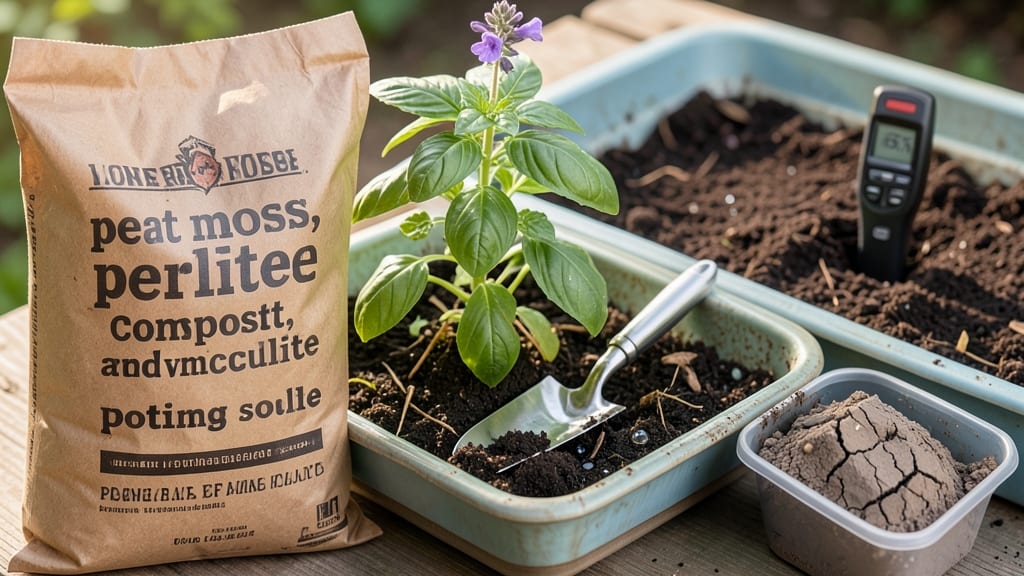
Understanding potting soil meaning reveals it's a specially engineered growing medium for container plants, combining organic materials, nutrients, and moisture control to promote healthy root development in limited spaces. Unlike regular garden soil, it's designed to be lightweight, sterile, and optimized for proper drainage and airflow.
This specially formulated blend is what makes container gardening successful.
The key difference lies in its structure—potting mixes incorporate ingredients like perlite or vermiculite to prevent compaction, which is a major issue with heavy garden soil. 🌱 Most commercial potting soils also have a balanced pH and added nutrients to support plants that can't access nutrients from the ground below their containers.
I've found that using the right mix can mean the difference between thriving plants and those struggling for air and moisture.
What makes potting soil particularly valuable is its ability to replicate ideal growing conditions in confined spaces. The lightweight composition prevents root rot while still providing enough moisture retention for healthy growth.
Many gardeners also appreciate that it's typically free from weeds, pests, and diseases that can lurk in outdoor soil.
💡 In This Article
- How Potting Soil Differs From Garden Soil
- Choosing the Right Potting Mix for Your Plants
How potting soil differs from garden soil
The fundamental difference between potting soil and garden soil lies in their composition and purpose. Garden soil is naturally heavy, containing up to 50% clay and other minerals that create a dense structure perfect for outdoor beds where roots can spread freely.
In contrast, potting soil is engineered to be 30-50% lighter by incorporating ingredients like perlite, vermiculite, or coconut coir that create air pockets—critical for roots in containers where oxygen exchange is limited.
This lightweight structure prevents compaction, which is deadly for potted plants. When garden soil gets wet and packed down, it can suffocate roots by cutting off oxygen—something that happens quickly in containers.
Potting mixes also contain 2-3 times more organic matter (like peat moss or compost) than garden soil, which breaks down to feed plants over time. The pH balance is typically 5.5-6.5, ideal for most container plants, while garden soil can vary widely from 4.0 to 8.5 depending on location.
Moisture retention is another key distinction. Garden soil holds water through capillary action in its dense structure, but this creates soggy conditions in pots. Potting soil uses moisture control agents like sphagnum moss to hold just enough water without drowning roots.
For example, a 1-gallon container of garden soil might stay wet for days, while potting soil keeps roots in an optimal 40-60% moisture range—similar to a well-watered sponge rather than a swamp.
Sterility is where potting soil truly shines. Garden soil often contains weed seeds, pathogens, and pests that can harm container plants. Commercial potting mixes are pasteurized to eliminate these threats, while also being free from rocks or debris that could clog drainage holes.
This makes potting soil the safer choice for seedlings and delicate plants that can't compete with outdoor soil's natural challenges.
Consider how these differences play out with common plants: A fern thrives in potting soil's high organic content and consistent moisture, while struggling in compacted garden soil. Conversely, succulents need the fast-draining properties of potting mixes with 50-70% inorganic matter—something garden soil simply can't provide without major amendments.
The science behind this engineering becomes clear when you examine how roots behave. In containers, roots grow in a circular pattern searching for nutrients and water, while outdoor roots spread outward.
Potting soil's structure supports this growth pattern by providing both nutrients and air in the right proportions—almost like a root's perfect apartment building rather than a chaotic outdoor lot.