
Trees
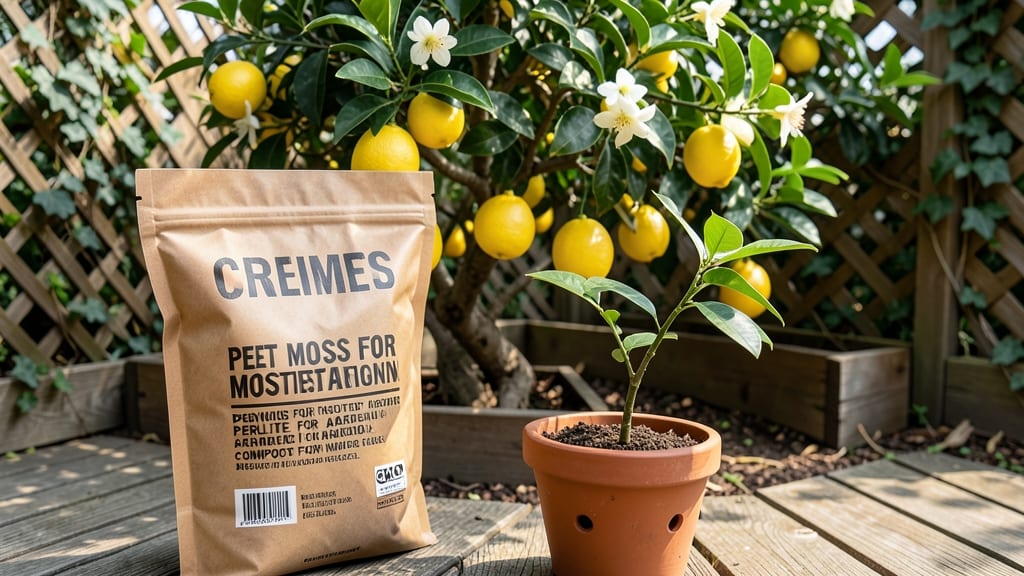
The right potting soil for citrus trees keeps roots happy and prevents that dreaded root rot. 🌱 I learned the hard way—my first Meyer lemon tree nearly died from soggy soil, but switching to an acidic, well-draining mix saved it.
The secret lies in balancing organic matter, gritty amendments, and a slightly acidic pH (around 6.0) to mimic their native Mediterranean soil.
Most commercial citrus mixes already include perlite or bark fines for drainage, but you can DIY it with 50% peat moss or coco coir, 30% pine bark fines, and 20% perlite or pumice.
Avoid garden soil—it compacts and suffocates roots. For extra nutrients, work in a handful of worm castings or slow-release citrus fertilizer at planting time.
You’ll notice the difference almost immediately—leaves stay vibrant green, new growth appears within 4-6 weeks, and the tree thrives even in containers. The key is keeping the mix light yet moisture-retentive, so water drains freely but roots don’t dry out. Overwatering is the real enemy here.
This blend works for dwarf citrus in pots or larger varieties in half-barrels, and it’s easy to refresh every 12-18 months. Skip the heavy, clay-based soils—your citrus will thank you with bold blooms and juicy fruit all season long.
📚 In This Guide
- What you need
- Instructions
- Tips and common mistakes
- Wrapping up and next steps
What you need
- ● 60% peat moss or coconut coir – Holds moisture while allowing airflow (1 part). Pro tip: Coconut coir is eco-friendly and retains water better!
- ● 20% perlite or pumice – Improves drainage (1/2 part). ✨ Prevents compaction and root suffocation!
- ● 20% sand (coarse horticultural grade) – Enhances drainage (1/2 part). 💡 Avoid fine sand—it clumps!
- ○ Slow-release citrus fertilizer (optional but recommended) – Mix in 1–2 tbsp per gallon of soil for a nutrient boost.
- ○ Lime (optional, for pH adjustment) – Use sparingly (1 tsp per gallon) if your soil tests too acidic (< pH 5.5).
- ● A large container or wheelbarrow for mixing (at least 5 gallons).
- ● A pH testing kit – Ensures your mix stays acidic (ideal: 5.5–6.5).
- ● Gloves and a mask – Protects against dust (especially peat moss).
- ● A trowel or shovel – For blending ingredients evenly.
- ● Citrus tree pot (with drainage holes!) – Size depends on tree age (e.g., 15–20 gallons for mature trees).
- ● Garden soil – Too dense and prone to compaction.
- ● Clay or heavy loam – Traps moisture, causing root rot.
- ● Fresh manure – Can burn roots and disrupt pH balance.
How to create the perfect acidic potting mix for citrus trees
Citrus trees demand a precise soil blend—too alkaline and they sulk, too dense and roots suffocate. Here’s my foolproof recipe for a mix that keeps them thriving.
🪴 Step 1: Combine the Base Components
Start with 50% peat moss or coconut coir—this provides the acidity citrus roots crave while maintaining moisture without compacting. I sift it first to remove any debris, which can harbor fungus. Next, add 30% perlite or pumice for aeration; this prevents the mix from becoming a soggy, rot-prone mess. The perlite should be clean and sterile, not dusty or clumped.
For the remaining 20%, use sand—but not just any sand. Horticultural sand is coarse and won’t compact like beach sand. Mix these dry first, then fluff the blend with your hands until it feels light and airy. If it clumps when squeezed, add a little more perlite. The goal is a texture that holds moisture but drains freely, like a damp sponge.
🌱 Step 2: Incorporate Organic Matter for Nutrition
Add 10% composted pine bark fines—this lowers the pH further while feeding microbes that citrus roots love. I use finely shredded bark because coarse chunks can mat over time. Next, fold in 5% worm castings for gentle, slow-release nutrients. These won’t alter the acidity but will keep your tree fed without burning roots.
For an extra boost, sprinkle in 1 tablespoon of sulfur per gallon of mix—this ensures the pH stays between 5.5 and 6.5, the sweet spot for citrus. Mix thoroughly so the sulfur disperses evenly. If you’re reusing old potting mix, skip the sulfur unless you’ve tested the pH recently.
💧 Step 3: Adjust Moisture and Test the Blend
Gradually add water while mixing—just enough so the soil holds together when pressed, but doesn’t drip. Citrus roots need consistent moisture, but they’ll rot in soggy conditions. I like to fill a container with the mix, press it down lightly, then water until moisture reaches 2 inches deep. Let it sit for an hour, then check: if water pools on top, add more perlite.
For the final test, grab a handful. It should crumble easily when dry but still feel slightly damp. If it sticks together like wet clay, you’ve overwatered the mix. If it falls apart like powder, add a bit more moisture. This balance is critical—citrus trees hate both drought and waterlogged roots.
✂️ Step 4: Sterilize and Store for Future Use
To prevent fungus or bacteria from lurking in your mix, spread it on a baking sheet and bake at 200°F for 30 minutes. This kills pathogens without cooking out nutrients. Let it cool completely before use—hot soil can scorch tender citrus roots. I store the remaining mix in a sealed plastic bin with a moisture barrier to keep it fresh for up to 6 months. Label it clearly: "Citrus Mix – pH 5.5-6.5."
Here’s the thing—citrus trees are finicky, but this mix gives them exactly what they need. The acidity prevents nutrient lockout, the perlite prevents rot, and the organic matter keeps them fed. Use it for repotting or as a top-dressing, and your trees will reward you with glossy leaves and abundant fruit.
Tips & tricks for perfect citrus potting mix
Between us, citrus trees are divas—they need their soil just right. Here's what I've learned the hard way about crafting the ideal acidic blend that keeps those roots happy and healthy.
Ingredient Quality is Everything: Don't skimp on the peat moss or coconut coir—they're the acidity backbone of your mix. I always buy premium peat moss from garden centers, not the cheap bagged stuff from big-box stores. The difference in acidity levels is night and day. For coconut coir, look for the shredded version rather than bricks, as it's already broken down and ready to use. If you're using perlite, make sure it's fresh—old, dusty perlite loses its aerating power.
The 200°F Sterilization Secret: That 30-minute bake at 200°F isn't just about killing pathogens—it's also about activating the organic components. I've found that spreading the mix on a baking sheet in a single layer ensures even heat distribution. After baking, let it cool completely before use; hot soil can actually scorch tender citrus roots. Pro tip: Use a kitchen towel to line your baking sheet—it makes cleanup a breeze and prevents any mix from sticking.
pH Testing is Non-Negotiable: While the recipe targets pH 5.5-6.5, I always test my final mix with a soil pH meter. If it's too high, add a pinch more sulfur (start with ½ teaspoon per gallon) and remix. For the moisture test in Step 3, I like to use a moisture meter instead of the squeeze test—it gives me precise readings. The ideal moisture level should be around 40-50% by volume, similar to a wrung-out sponge. This balance is crucial for preventing both drought stress and root rot.
Storage Wisdom: That 6-month shelf life assumes proper storage conditions. I keep my mix in a heavy-duty plastic bin with a gamma seal lid to prevent moisture loss. Add a small silica gel packet to absorb any residual moisture that might develop. Label your bins clearly with the pH range and date—this prevents mix-up with other soil blends you might have. For long-term storage beyond 6 months, consider adding a bit more sulfur (about ¼ teaspoon per gallon) to maintain acidity levels over time.
Pro Tips for Potting Soil For Citrus Trees
- Between us, citrus trees are divas—they need their soil just right. Here's what I've learned the hard way about craft...
- Ingredient Quality is Everything: Don't skimp on the peat moss or coconut coir—they're the acidity backbone of your m...
- The 200°F Sterilization Secret: That 30-minute bake at 200°F isn't just about killing pathogens—it's also about activ...
Frequently asked questions
Got questions about the perfect potting mix for your citrus trees? You’re not alone! Here are some of the most common concerns—and straightforward answers—to help you grow thriving, healthy citrus plants.
What’s the best potting soil mix ratio for citrus trees?
A well-draining blend is key! Aim for 60% organic matter (like peat moss or coconut coir) and 40% inorganic material (perlite, pumice, or coarse sand). This mimics their native soil while preventing waterlogging. Pro tip: Add a handful of compost or worm castings for extra nutrients without compacting the mix.
When is the best time to repot citrus trees?
Repot in early spring (just as new growth begins) or late winter—avoid summer heat or winter dormancy. If your tree is root-bound (roots circling the pot), repot immediately, even outside these windows. Warning: Over-potting stresses citrus; choose a container only 1–2 inches larger in diameter than the root ball.
Can I use regular garden soil for citrus potting mix?
Nope! Garden soil is too dense and retains too much moisture, leading to root rot—a common killer of potted citrus. Instead, opt for a lightweight, acidic mix (pH 6.0–7.0) with no clay or heavy amendments. Pre-mixed citrus blends or DIY recipes (see our guide) are your best bet!
Why are my citrus tree leaves turning yellow?
Yellow leaves often signal overwatering, nutrient deficiency, or poor drainage. Check the soil: If it’s soggy, let it dry out more between waterings. For yellowing with brown edges, your mix may lack magnesium (Epsom salt spray helps) or iron. Fix it: Flush the pot with water to remove excess salts, then adjust your watering routine.
How often should I fertilize citrus trees in pots?
Feed every 4–6 weeks during active growth (spring–fall) with a balanced citrus fertilizer (6-6-6 or 8-3-9). Reduce to every 8–12 weeks in winter when growth slows. Remember: Potted citrus are hungry but hate salt buildup—rinse the soil occasionally to prevent fertilizer burn!
Wrapping up and next steps
Choosing the right potting soil for citrus trees is the secret to thriving, disease-resistant plants that burst with flavor! 🌱 A well-draining, slightly acidic blend—rich in organic matter and free from compacting ingredients—keeps roots happy and root rot at bay.
With the perfect mix, your citrus trees will reward you with vibrant growth and bountiful harvests.
Now that you’re armed with the knowledge, roll up your sleeves and give your citrus trees the soil they deserve. Start by prepping your pots, layering that nutrient-packed mix, and watch your trees flourish—one healthy root at a time! 🍊✨