
How To
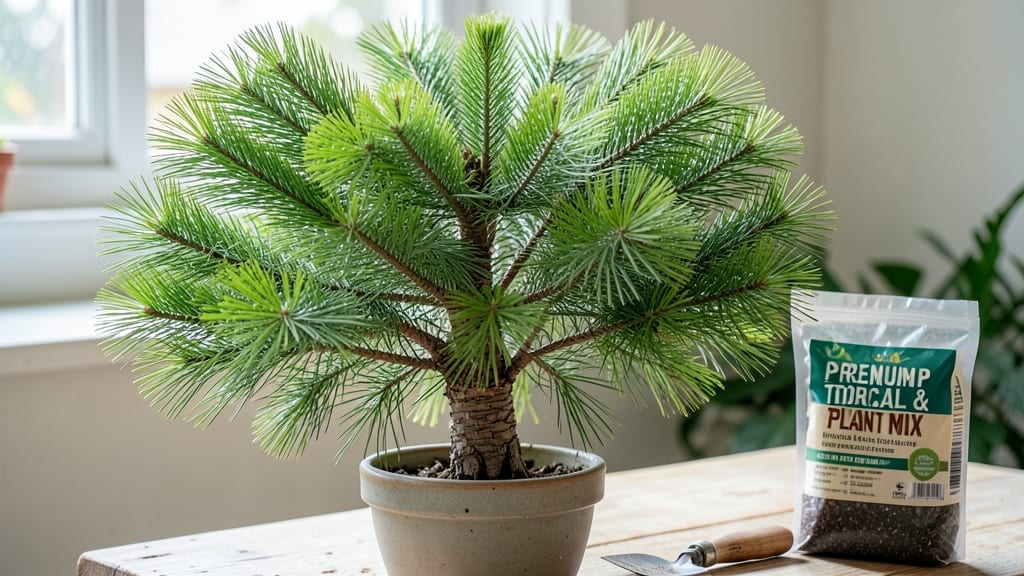
The right potting soil for your Norfolk Island Pine 🌲 is the foundation of its lush, healthy growth—and getting it wrong can mean the difference between a thriving tree and a struggling one.
Picture this: your Norfolk Island Pine’s leaves start browning at the tips, no matter how much you water it. That’s often a sign the soil isn’t draining properly or isn’t acidic enough, two critical factors for this tropical plant.
The wrong mix can even lead to root rot, which is why choosing the right blend matters more than you might think.
This guide dives into why an acidic, peat-based mix is non-negotiable for your Norfolk Island Pine, how to mix it yourself for optimal drainage and moisture retention, and the common mistakes that sabotage even the best-intentioned plant parents.
By the end, you’ll know exactly what to look for in store-bought soil, how to tweak a DIY blend for your plant’s needs, and when to repot for continued growth—so your 🌲 stays vibrant year-round.
Why acidic peat-based soil is essential for Norfolk Island Pine roots
The Norfolk Island Pine thrives in conditions that mimic its native tropical forests, where soil remains acidic and well-aerated. Native to Norfolk Island’s volcanic terrain, this plant evolved to grow in peat-rich, slightly acidic soils with excellent drainage.
Without replicating these conditions, your plant may suffer from root rot, nutrient deficiencies, or stunted growth. The key lies in understanding how peat moss, perlite, and bark work together to create the perfect environment.
This tropical beauty demands a pH range of 4.5 to 6.0, which is naturally acidic. Most commercial potting mixes are too alkaline for its delicate roots, leading to chlorosis (yellowing leaves) or poor nutrient uptake.
The solution? A peat-based mix that retains moisture while allowing excess water to drain freely. This balance prevents both waterlogging and drought stress, two common killers of Norfolk Island Pines.
Peat moss is the foundation of this soil blend because it holds moisture without compacting, while perlite adds aeration to prevent suffocating roots. Adding orchid bark or pine bark fines further improves drainage and mimics the forest floor’s natural decomposition. Together, these ingredients create a lightweight, airy, and acidic growing medium that supports robust root development.
Commercial orchid mixes often come close to the ideal blend, but they may lack the necessary acidity or contain additives like lime or fertilizer that can harm your plant.
For the best results, I recommend either a pre-mixed acidic potting soil or a DIY peat-based mix tailored to your Norfolk Island Pine’s needs. Let’s break down the science behind why this combination works so well.
The 60% peat moss base ensures your Norfolk Island Pine gets the acidity and moisture retention it craves, while the 20% perlite keeps roots from sitting in soggy conditions. Adding 15% orchid bark mimics the plant’s natural habitat by providing coarse texture and additional drainage.
For a nutrient boost, 5% worm castings introduce beneficial microbes and slow-release nutrients without altering the pH.
If you’re using a commercial mix, look for labels specifying "acidic" or "orchid mix". Brands like FoxFarm Acid Mix or Sunshine #4 are excellent starting points, but they may still need adjustments.
Test your soil’s pH with a digital meter or litmus test kit—if it reads above 6.0, amend it with sulfur or peat moss to lower the pH gradually.
For young Norfolk Island Pines, a slightly finer mix with more peat moss helps protect delicate roots. As the plant matures, increase the bark and perlite proportions to prevent root-bound conditions.
Always repot into a container just 1-2 inches larger in diameter than the previous one to avoid shocking the roots with too much new soil.
One common mistake is assuming any potting soil will work—this leads to yellow leaves, slow growth, or even death. The acidity and aeration provided by a peat-based mix are non-negotiable for this tropical plant.
By replicating its native soil conditions, you’ll see lush, vibrant foliage and faster growth within weeks.
Remember, the goal is to create a breathable, slightly acidic, and moisture-retentive environment. Whether you choose a pre-mixed blend or DIY approach, consistency in soil composition is key to keeping your Norfolk Island Pine thriving year-round.
🌱
Step-by-step guide to mixing the perfect Norfolk Island Pine soil blend
Creating the ideal Norfolk Island Pine soil blend mimics its natural tropical habitat, where roots thrive in acidic, well-draining conditions. The right mix prevents root rot while keeping moisture levels perfect for lush foliage.
My go-to recipe balances peat moss, perlite, and orchid bark—here’s exactly how to mix it.
For young plants, use a slightly lighter mix (65% peat, 25% perlite) to encourage root development. Mature trees need more organic matter (55% peat, 15% orchid bark) for stability. Always adjust based on your plant’s pot size—larger containers hold moisture longer, so reduce peat slightly.
🌱 Step-by-Step Soil Mixing Guide
- 1 Measure 60% peat moss (acidic base) in a clean bucket. Squeeze a handful—it should hold moisture but not feel soggy. Peat moss retains water while keeping roots aerated.
- 2 Add 20% perlite (for drainage). Perlite’s porous texture prevents compaction, which is critical for Norfolk Island Pines. Sift it in to avoid clumps.
- 3 Mix in 15% orchid bark (chunks, not powder). This adds long-term aeration and mimics forest floor debris. Bark breaks down slowly, enriching the mix over time.
- 4 Stir in 5% worm castings (optional but ideal). These provide gentle nutrients without burning roots. Skip if your plant shows signs of over-fertilization.
- 5 Test the pH with a kit (aim for 5.5–6.5). If too alkaline, add a pinch of sulfur and remix. The blend should smell earthy, not chemical or sour.
Repot your Norfolk Island Pine every 2–3 years or when roots circle the pot’s bottom. Spring is the best time—new growth absorbs nutrients from fresh soil. For mature plants, top-dress with orchid bark instead of full repotting to avoid stress.
Adjust the mix seasonally: in winter, reduce perlite by 5% to retain slightly more moisture. If your plant’s leaves yellow, it may need more peat moss (for acidity) or better drainage (add perlite). Always use a pot with drainage holes to prevent root suffocation.
Pro tip: Store your soil blend in a sealed container for up to 6 months. Label it with the date—over time, peat moss loses moisture retention. Refresh with 5% new peat before reuse to maintain potency.