
How To
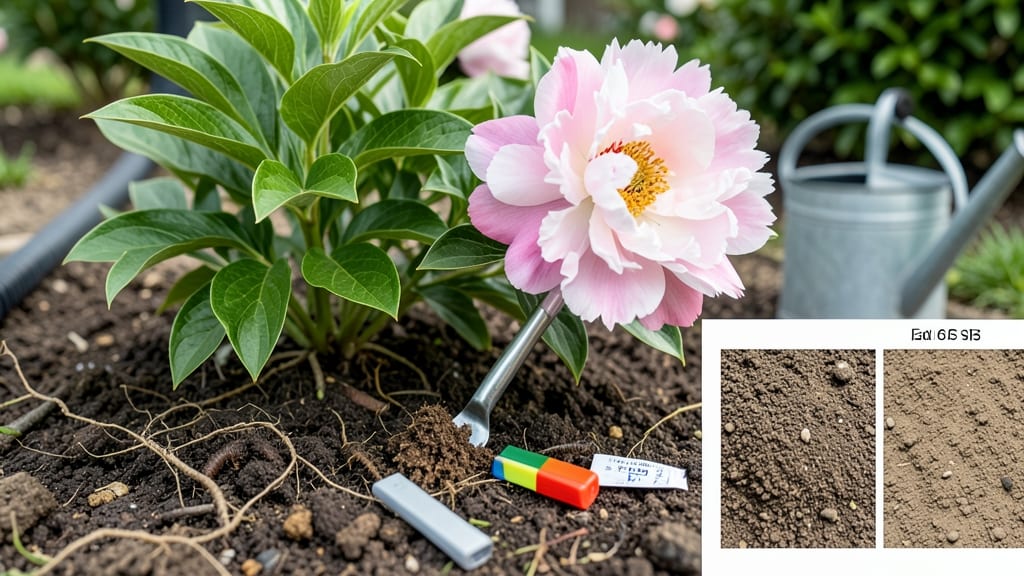
Growing peonies with the right soil type is the secret to bold, long-lasting blooms that turn heads every spring 🌸 — and the wrong mix can leave you with floppy stems and no flowers.
If your peonies are struggling, it’s not just about sunlight — it’s about soil that drains like a dream and stays loose enough to keep roots breathing. Too much clay? Too sandy? We’ll fix that.
Peonies crave a loamy, well-draining mix with a slightly alkaline to neutral pH (around 6.5–7.5). That means adding compost for fertility and perlite or coarse sand to break up heavy clay or gritty soil.
Below, I’ll walk you through how to test your soil, the three best blends for different climates, and maintenance tricks to keep your peonies thriving for decades.
Why peonies need loamy, well-draining soil (and what happens if you get it wrong)
If your peonies are throwing tantrums—drooping stems, yellowing foliage, or worse, no blooms—your soil might be the culprit. These divas don’t just want dirt; they demand a loamy, well-draining environment that mimics their natural woodland edges.
Without it, their roots suffocate, leading to a cascade of problems that can turn your dream garden into a botanical disaster. Let’s dig into why soil matters so much and what happens when you get it wrong.
Peonies thrive in loamy soil, a perfect balance of sand, silt, and organic matter that holds moisture without drowning roots. This texture allows oxygen to reach the roots while preventing waterlogging—a death sentence for peonies.
Their pH preferences (6.5–7.5) further refine their needs, ensuring nutrients like phosphorus (critical for blooms) are accessible. Skip these details, and you’ll end up with floppy stems, fungal rot, or plants that refuse to flower despite your best efforts.
⚠️ callout-warning ⚠️
🚨 Soil Mistakes That Kill Peonies
Heavy clay soil = Root rot from poor drainage. Peonies hate soggy feet!
Sandy soil = Nutrient loss. Sand drains too fast, starving roots of food.
pH < 6.0 or > 8.0 = Nutrient lockout. Peonies can’t access phosphorus or iron.
Compacted soil = Stunted growth. Roots can’t spread, leading to weak stems.
Peonies are sensitive to soil conditions because their thick, fleshy roots need both air and moisture. When soil is too dense or waterlogged, roots suffocate, leading to gray mold (Botrytis) or black spot fungus.
Even if you’ve nailed sunlight and watering, poor soil can still sabotage your plants. Think of it like a gourmet meal—serve it on a soggy plate, and even the best ingredients go to waste.
The ideal peony soil should crumble easily when dry but hold moisture like a well-wrung sponge. Test yours by squeezing a handful: if it forms a tight ball, it’s too clay-heavy. If it falls apart instantly, it’s too sandy.
Aim for a texture that feels like a moist chocolate cake—rich but not sticky. This balance ensures roots stay hydrated without inviting pests or diseases that thrive in damp conditions.
One of the most common mistakes is assuming peonies will tolerate clay-heavy soils, especially in regions like the Midwest or Pacific Northwest. While peonies can adapt to clay if amended properly, untreated clay acts like a water trap, causing roots to rot within weeks.
I’ve seen peonies in unamended clay gardens wither into sad, brown stalks—heartbreaking for any gardener! The fix? Mix in organic matter like compost or aged manure to break up the clay’s density.
On the flip side, sandy soils drain too quickly, leaving peonies thirsty and nutrient-starved. Sandy gardens often produce peonies with smaller blooms or no flowers at all because the roots can’t hold onto essential minerals.
The solution? Amend with peat moss or coconut coir to improve water retention while keeping the soil loose. Think of it as adding a moisture-retaining blanket for your peony’s roots.
Don’t overlook pH balance, either. Peonies prefer a slightly acidic to neutral soil (6.5–7.5). If your soil is too alkaline (common in western states), nutrients like iron and manganese become unavailable, causing yellowing leaves (chlorosis).
Test your soil with a home pH kit or send a sample to your local extension office. If it’s off, adjust with sulfur (to lower pH) or lime (to raise it), but do this 6 months before planting to avoid shocking the roots.
Even with perfect soil, overwatering can undo all your hard work. Peonies hate wet feet—literally. Their roots need to dry out slightly between waterings to prevent rot. If you notice mushy stems or leaves turning yellow with brown edges, you’re likely overwatering.
The fix? Water deeply but infrequently, ensuring the top 6 inches of soil dry out before the next drink. Mulching with wood chips helps regulate moisture and keeps roots cool.
Finally, remember that peonies are long-lived perennials—some live for over a century! Investing time in soil prep now pays off for decades. Start with a well-amended bed, monitor drainage after heavy rains, and avoid compacting the soil around the base.
With the right conditions, your peonies will reward you with lush foliage and abundant blooms year after year. 🌸
How to test and improve your garden soil for peonies (step-by-step guide)
Peonies thrive in loamy, well-draining soil with a pH between 6.5 and 7.5. If your garden soil is heavy clay or sandy, your peonies may struggle to establish strong roots or produce vibrant blooms.
The good news? You can easily test and improve your soil with simple, cost-effective methods that work for both in-ground and container growing.
Start by assessing your soil’s drainage and nutrient levels. A quick jar test reveals texture and compaction, while a pH test kit (available at garden centers) confirms acidity or alkalinity.
Once you know your soil’s current state, you can amend it with organic matter, sand, or compost to create the perfect environment for peony roots.
Step-by-Step Soil Improvement for Peonies
- Step 1: Collect a soil sample from your garden bed or container. Use a clean trowel to gather soil from 4–6 inches deep.
- Step 2: Perform a jar test: Fill a clear jar ⅓ full with soil, add water, and shake vigorously. Let it settle for 24 hours. If the layers separate with 10% sand, 30% silt, and 60% clay, your soil is ideal. Adjust with perlite or sand if too heavy.
- Step 3: Test soil pH with a kit. Aim for 6.5–7.5. If too acidic, add lime; if too alkaline, mix in sulfur or peat moss.
- Step 4: Amend the soil by mixing in 2–3 inches of compost or well-rotted manure. For containers, blend equal parts potting mix, compost, and perlite to ensure drainage.
- Step 5: Loosen the soil around peony roots with a fork to improve aeration. Avoid compacting the soil during planting or watering.
- Step 6: Mulch with 2–3 inches of organic mulch (like straw or shredded leaves) to retain moisture and suppress weeds without suffocating roots.
For container-grown peonies, prioritize a mix that mimics loamy soil. Combine 50% high-quality potting soil, 30% compost, and 20% perlite or coarse sand to prevent waterlogging. Containers also benefit from drainage holes and a layer of gravel at the bottom.
After amending your soil, monitor your peonies for signs of improvement. Strong stems, lush foliage, and abundant blooms signal healthy roots. If you notice yellowing leaves or stunted growth, re-test your soil and adjust amendments as needed.
Remember, peonies are long-lived perennials—taking the time to perfect their soil now will reward you with decades of stunning blooms. Happy gardening! 🌸