
How To
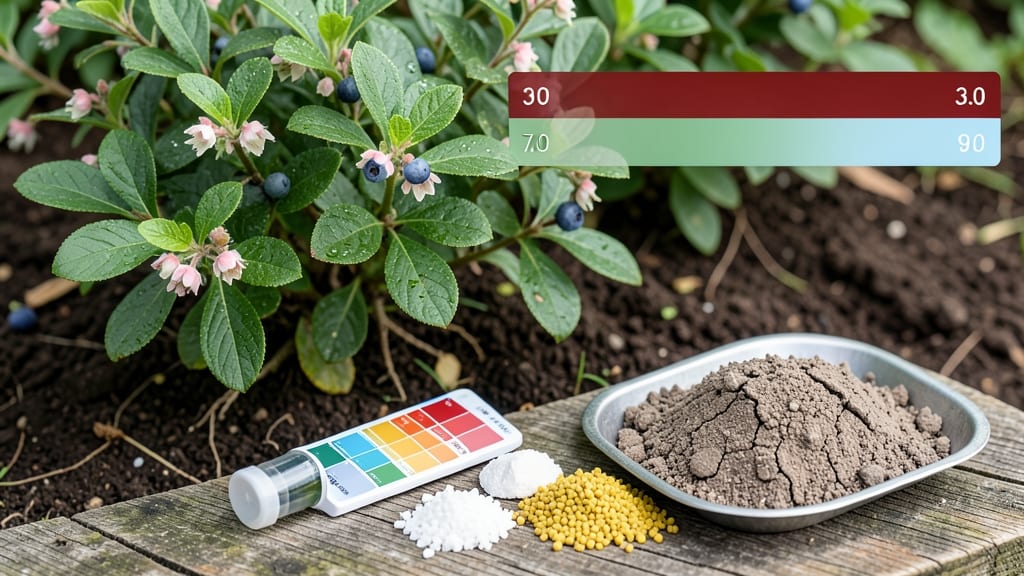
Is clay soil alkaline or acid? Clay soil is typically alkaline or neutral in pH, usually falling between 6.6 and 8.5, though regional differences and organic material can shift this range. Testing with a pH kit or meter is the best way to confirm the exact levels for your garden.
Clay soil's tendency toward alkalinity comes from its mineral makeup, which often includes high levels of iron and aluminum oxides that resist acidity. 🌱 These dense particles also hold onto calcium and magnesium, further pushing the pH upward.
Unlike sandy soils that drain quickly, clay retains moisture and nutrients—but only if the pH is balanced. Many gardeners find that adding organic matter like compost can help stabilize pH over time, making it easier to grow acid-loving plants like blueberries or azaleas.
For precise adjustments, I recommend starting with a simple DIY test using vinegar or baking soda to get a rough estimate. If you're serious about gardening, investing in a digital pH meter gives you accurate, real-time readings.
Once you know your soil's pH, you can amend it with sulfur to lower alkalinity or lime to raise it—but timing matters. Apply amendments in early spring or fall when soil is moist, and always test again after 6-8 weeks to check progress.
💡 In This Article
- How Clay Soil’s Mineral Composition Affects pH Levels
- Best Ways to Test and Adjust Clay Soil pH for Gardening
How clay soil’s mineral composition affects pH levels
Clay soil’s alkaline tendency stems from its mineral-rich makeup, particularly the presence of iron and aluminum oxides. These compounds, like hematite and gibbsite, create a naturally alkaline environment by releasing calcium and magnesium ions into the soil.
Unlike sandy soil, which drains quickly and rarely retains minerals, clay holds onto these alkaline elements for extended periods, often resulting in a pH between 6.6 and 8.5. This mineral retention is why clay soil rarely drops below neutral—it simply doesn’t release enough hydrogen ions to acidify.
The high cation exchange capacity (CEC) of clay particles further influences pH. Clay’s tiny, plate-like structure gives it a massive surface area, allowing it to bind and release nutrients like a sponge. When calcium and magnesium dominate these exchange sites, they suppress acidity by neutralizing free hydrogen ions.
For example, a clay soil sample from Texas might measure 7.8 pH due to high limestone content, while a sample from the Pacific Northwest could hover around 6.8 from volcanic ash deposits.
Seasonal moisture changes also play a role—wet clay can temporarily acidify as organic matter decomposes, but it rebounds to alkalinity once dry.
Comparing clay to loamy or sandy soil reveals stark differences. Sandy soil, with its low mineral content, often stays acidic (5.0-6.5) because it lacks the buffering capacity to neutralize acids.
Loamy soil, a mix of sand, silt, and clay, typically falls between 6.0-7.5, acting as a middle ground.
Clay’s density and mineral richness make it far more resistant to pH swings, which is why gardeners often need to work harder to acidify it—adding elemental sulfur or peat moss can take months to shift the pH even slightly. 🌱
One surprising factor is the role of organic matter. While clay’s mineral base leans alkaline, adding compost or well-rotted manure introduces temporary acidity as microbes break down carbon-rich materials.
This creates a dynamic balance: the clay’s alkalinity provides a stable foundation, while organic inputs create localized micro-zones of lower pH. For instance, blueberry bushes planted in clay soil often thrive in raised beds filled with acidic peat moss because the surrounding clay would otherwise inhibit root growth.
Understanding these interactions helps explain why some plants struggle in clay. Acid-loving plants like hydrangeas or rhododendrons may show chlorotic (yellowing) leaves if the clay’s natural alkalinity isn’t addressed. The solution often involves targeted amendments—like aluminum sulfate—to create the right pH microclimate for roots.
Without this knowledge, gardeners might waste time and resources trying to fix a soil that’s fundamentally well-suited for alkaline-tolerant crops like lavender or rosemary.
For those curious about regional variations, clay soils in arid climates (like those in the Southwest U.S.) tend to be more alkaline due to evaporation concentrating salts, while clay in humid areas (like the Southeast) may have a slightly lower pH from leaching.
Testing becomes especially critical in these cases, as assumptions about clay’s alkalinity can lead to mismanaged gardens. 💫