
Light Requirements
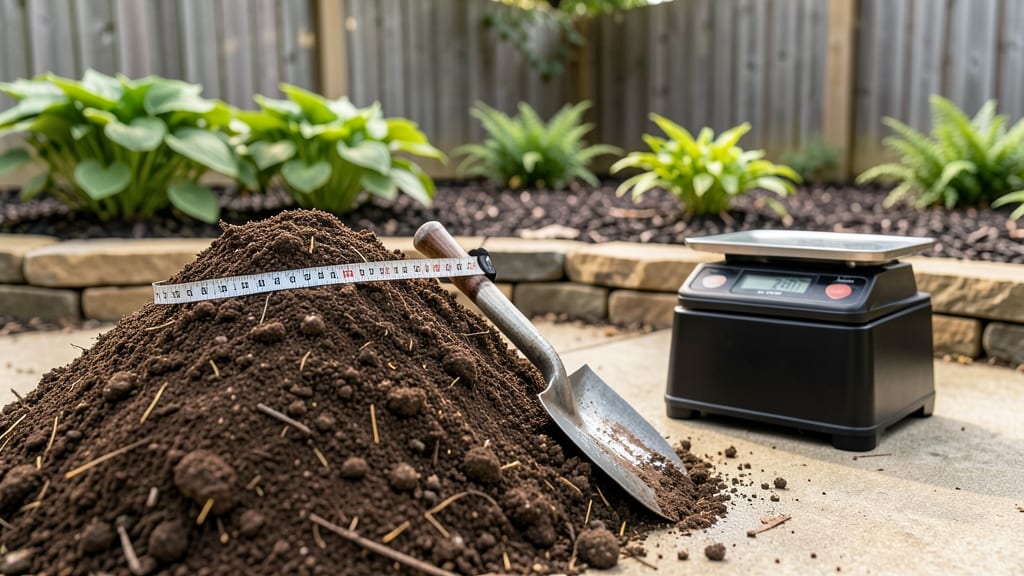
To determine how much 1 yard of soil weighs, expect between 1,800 to 2,200 pounds, with variations based on soil type—topsoil typically weighs 2,000 pounds, loamy soil can reach 2,200 pounds, and sandy soil averages 1,500–1,800 pounds. Moisture content adds 500+ pounds when soil is saturated.
Understanding soil weight matters because it directly impacts project planning, especially for landscaping or construction. 🔥 Different soil compositions—like clay, loam, or sand—pack differently due to particle density, which affects how much a cubic yard actually weighs.
For example, clay soil can weigh up to 2,400 pounds per yard when compacted, while organic-rich topsoil might be lighter if less dense.
Moisture plays a huge role too: wet soil can weigh nearly double what dry soil does, which is why professionals always account for seasonal variations when ordering bulk deliveries.
This variation explains why contractors often overestimate soil needs—underestimating weight can lead to delivery shortages or budget overruns. A simple moisture test before ordering can save hundreds in transportation costs, and tools like density rings help gardeners refine their calculations for smaller projects.
Knowing these specifics ensures you order the right amount without surprises.
💡 In This Article
- Soil Weight Variations by Composition and Density
- Calculating Soil Weight for Landscaping Projects
Soil weight variations by composition and density
The weight of soil per cubic yard varies dramatically because of its particle composition and how tightly those particles pack together. Sandy soils, made up of large, loosely packed grains, weigh less—typically 1,500–1,800 pounds per yard—because air fills the gaps between particles.
In contrast, clay soils can reach 2,400 pounds per yard when compacted, since their tiny, flat particles stack tightly, squeezing out air and increasing density.
The key difference lies in porosity: sandy soils have high porosity (30–40% air space), while clay soils have low porosity (10–20%), making them heavier. 🔥
Organic matter content also plays a role. Topsoil, rich in decomposed plant material, usually weighs 1,800–2,200 pounds per yard because organic particles add bulk while remaining less dense than minerals.
Loamy soils, a balanced mix of sand, silt, and clay with 5–10% organic matter, often hit the 2,000–2,200 pounds range due to their ideal particle distribution. For comparison, pure silt—fine, smooth grains—can weigh 2,000–2,300 pounds per yard, similar to loam but without the structural stability.
These variations explain why a "yard" of soil isn’t always the same weight!
Moisture is the wild card. Dry soil loses weight as water evaporates, but when saturated, it can add 500–1,000 pounds per yard. For example, a 1,800-pound bag of dry sand might swell to 2,800 pounds when soaked.
This is why landscapers always check moisture levels before ordering—wet soil is heavier to transport, increasing delivery costs. A simple field test (squeezing a handful) can reveal if soil is dry, damp, or waterlogged, helping you adjust estimates. 💫
Compaction further skews weight. Foot traffic or machinery can compress soil by 10–30%, reducing air pockets and increasing density. For instance, a loamy garden bed might weigh 2,000 pounds per yard when tilled but 2,400 pounds after being walked on repeatedly.
This is critical for construction sites, where heavy equipment can double the weight of a cubic yard of fill dirt. Understanding these factors helps you avoid underestimating loads or overpaying for deliveries.
Here’s a quick breakdown of weight ranges by soil type:
- Sandy soil: 1,500–1,800 lbs/yd³ (high porosity, low density)
- Silty soil: 2,000–2,300 lbs/yd³ (fine particles, moderate density)
- Loamy soil: 2,000–2,200 lbs/yd³ (balanced composition, ideal for gardens)
- Clay soil: 2,200–2,400 lbs/yd³ (compacted, low porosity)
- Topsoil (organic-rich): 1,800–2,200 lbs/yd³ (varies by organic content)
For precise calculations, professionals use a density ring (a metal cylinder pressed into soil) to measure in-situ weight per cubic foot, then scale up. This method accounts for natural compaction and moisture—critical for large-scale projects where even small weight miscalculations can mean costly adjustments. 🌟