
Shrubs
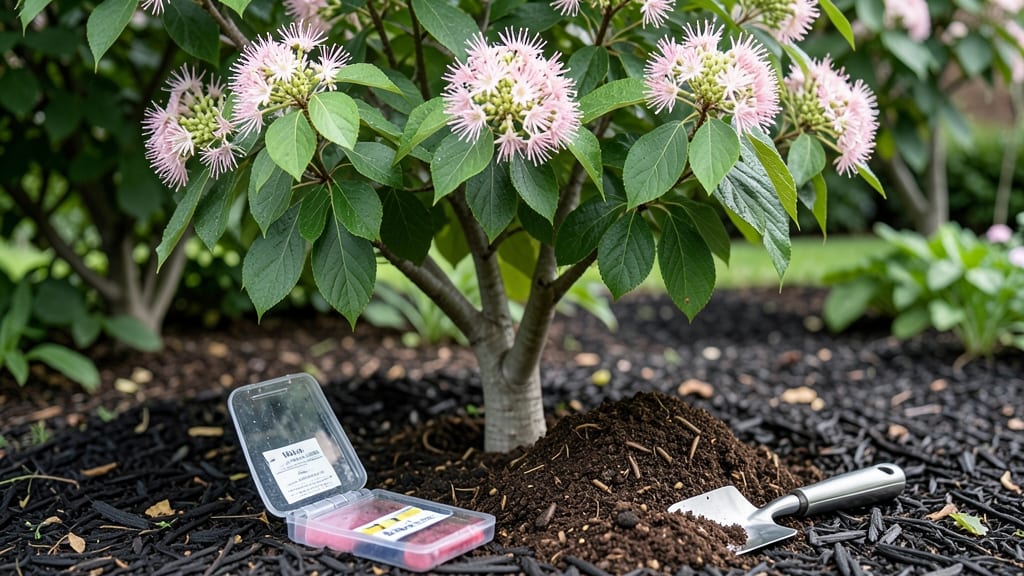
The flowering dogwood soil requirements are key to unlocking its full potential—this tree thrives in rich, well-draining, and slightly acidic soil that mirrors its natural woodland habitat.
Struggling to get your flowering dogwood to bloom? The secret often lies beneath the surface—in the soil. This shade-loving tree demands specific conditions, and getting it right can mean the difference between sparse foliage and stunning spring blooms.
Too much clay or alkaline soil, and your dogwood may struggle to absorb nutrients, leading to weak growth or no flowers at all. The ideal mix is a loamy blend with a pH between 4.5 and 6.0, packed with organic matter like compost or pine bark.
In this guide, I’ll break down the exact soil requirements, how to test and amend your soil, and the best mulching strategies to keep your dogwood thriving for years to come.
Ideal soil composition for flowering dogwood trees: pH, texture & drainage
Flowering dogwoods (Cornus florida) are finicky about their growing conditions, and soil composition is the foundation of their health. These shade-loving trees demand acidic, well-draining soil rich in organic matter to produce those iconic spring blooms.
Without the right mix, you’ll end up with weak growth, sparse foliage, or—worst of all—no flowers at all. Let’s break down the exact soil requirements your dogwood needs to thrive.
First, the pH level is non-negotiable. Flowering dogwoods thrive in acidic soil with a pH range of 4.5 to 6.0. This is slightly more acidic than your average garden soil, which often sits around neutral (pH 7.0).
If your soil tests higher than 6.0, your dogwood will struggle to absorb essential nutrients like iron and manganese, leading to yellowing leaves—a classic sign of chlorosis. Test your soil before planting to avoid costly mistakes.
Next, the soil texture must be loamy, meaning it balances sand, silt, and clay for optimal drainage and aeration. Heavy clay soils can suffocate roots, while pure sandy soil drains too quickly, depriving your dogwood of moisture.
Aim for a 50% loam base with 25% sand and 25% organic matter (like compost or peat moss) to create the perfect crumbly texture. This mix holds moisture without waterlogging, which is critical for root health.
Drainage is another critical factor. Dogwoods hate soggy feet—their roots rot quickly in waterlogged conditions. If your yard has poor drainage, amend the soil with pine bark fines or perlite to improve aeration.
A simple test: Dig a hole, fill it with water, and time how long it takes to drain. If it’s still wet after 24 hours, your soil needs help.
| Soil Requirement | Specification | Amendment Options |
|---|---|---|
| pH Level | 4.5 – 6.0 (acidic) | Peat moss, sulfur, pine needles |
| Soil Texture | Loamy (50% loam, 25% sand, 25% organic) | Compost, leaf mold, perlite |
| Drainage | Well-draining (no standing water) | Pine bark fines, gravel, sand |
| Organic Matter | 20–30% (for moisture retention) | Compost, aged manure, worm castings |
| Regional Adaptations | Clay-heavy: Add sand/peat; Sandy: Add compost | Local topsoil blends, region-specific mixes |
To achieve the perfect organic matter content, mix in 2–3 inches of compost or well-rotted leaf mold into the top 12 inches of soil before planting. This improves nutrient availability and helps retain moisture during dry spells.
For newly planted dogwoods, a 50/50 blend of native soil and compost works wonders. Over time, the tree’s roots will naturally break down organic matter, enriching the soil further.
If your soil is naturally alkaline (pH > 7.0), don’t panic—you can lower the pH with sulfur-based amendments. Sprinkle 1–2 pounds of elemental sulfur per 100 square feet of soil and water it in. Re-test the pH in 2–3 months, as adjustments take time.
Avoid quick-fix lime or wood ash, which will push the pH even higher. For sandy soils, add peat moss or coconut coir to improve moisture retention, while clay soils benefit from gypsum or coarse sand to break up compaction.
One common mistake is assuming dogwoods tolerate poor drainage like some native shrubs. They don’t. If your yard floods after rain, consider planting on a slightly elevated mound or installing a French drain nearby to divert excess water.
Mulching with 3–4 inches of pine straw or wood chips also helps regulate soil temperature and reduce evaporation, keeping roots cool and moist—especially in hot climates.
For container-grown dogwoods, use a pre-mixed acidic potting soil (pH 5.5–6.5) with added perlite or orchid bark for drainage. Repot every 2–3 years to refresh the soil, as nutrients deplete quickly in pots.
Avoid garden soil in containers—it compacts and suffocates roots. Instead, blend 50% peat moss, 30% pine bark, and 20% perlite for the ideal container mix.
Finally, remember that soil health is an ongoing process. Even with perfect initial conditions, dogwoods benefit from an annual top-dressing of compost or slow-release organic fertilizer in early spring. This replenishes nutrients and encourages vibrant blooms.
By nailing the soil composition from day one, you’ll set your flowering dogwood up for decades of stunning spring displays—without the frustration of yellow leaves or stunted growth.
🌿
Signs your dogwood soil is wrong & how to fix it quickly
If your flowering dogwood looks lackluster with yellowing leaves or fewer blooms than usual, your soil might be the culprit. Dogwoods are finicky about their growing conditions, and even slight soil imbalances can stress the tree.
I’ve seen clients with stunning dogwoods next to neighbors with struggling trees—often, the difference comes down to soil health. Let’s diagnose the problem and fix it before next season.
Watch for these 3 key warning signs that your dogwood’s soil needs attention: leaf discoloration (yellow or brown patches), stunted growth (slow height increase or sparse foliage), and poor flowering (fewer or no blooms).
These symptoms often point to issues like wrong pH levels, compacted soil, or poor drainage. Don’t wait until next spring—your dogwood’s health depends on addressing these now.
🌱 Critical Dogwood Soil Requirements
Flowering dogwoods demand acidic, well-draining soil with a pH between 4.5-6.0. If your soil is too alkaline (pH >7.0) or compacted, roots suffocate, leading to nutrient deficiencies and disease susceptibility. Test your soil now—DIY kits are affordable and save time. Amendments like peat moss or pine bark can adjust pH and improve texture quickly.
Start with a simple DIY soil test using a home kit (available at garden centers for ~$10). Dig a 6-inch-deep hole near your dogwood’s dripline, collect a soil sample, and follow the kit instructions. If the pH reads above 6.0, your dogwood is starving for nutrients.
To fix this, mix 2-3 inches of peat moss or sulfur-based amendments into the top 12 inches of soil. For compacted soil, add coarse sand or perlite to improve drainage.
If your dogwood’s leaves are yellowing between veins, it’s likely a magnesium deficiency caused by high soil pH. Apply Epsom salt (1 tablespoon per gallon of water) as a foliar spray or work it into the soil.
For brown, crispy leaf edges, your soil might be too alkaline or drought-stressed. Water deeply once a week during dry spells and mulch with 3 inches of wood chips to retain moisture and regulate temperature.
For stunted growth, dig a small hole around the root zone to check for root binding or waterlogged soil. If roots are circling or the soil stays soggy, your dogwood needs better drainage.
Amend the area with composted pine bark and consider planting in a raised bed if your native soil is heavy clay. Avoid over-fertilizing—dogwoods prefer low-nitrogen conditions to encourage blooms over foliage.
To keep your dogwood thriving long-term, mulch annually with organic matter like shredded bark or leaves. This slowly improves soil structure and feeds beneficial microbes. Avoid fresh grass clippings—they can raise soil pH and attract pests.
Re-test your soil every 2-3 years to monitor pH and nutrient levels. With these fixes, your dogwood will reward you with vibrant blooms and lush foliage next spring.