
How To
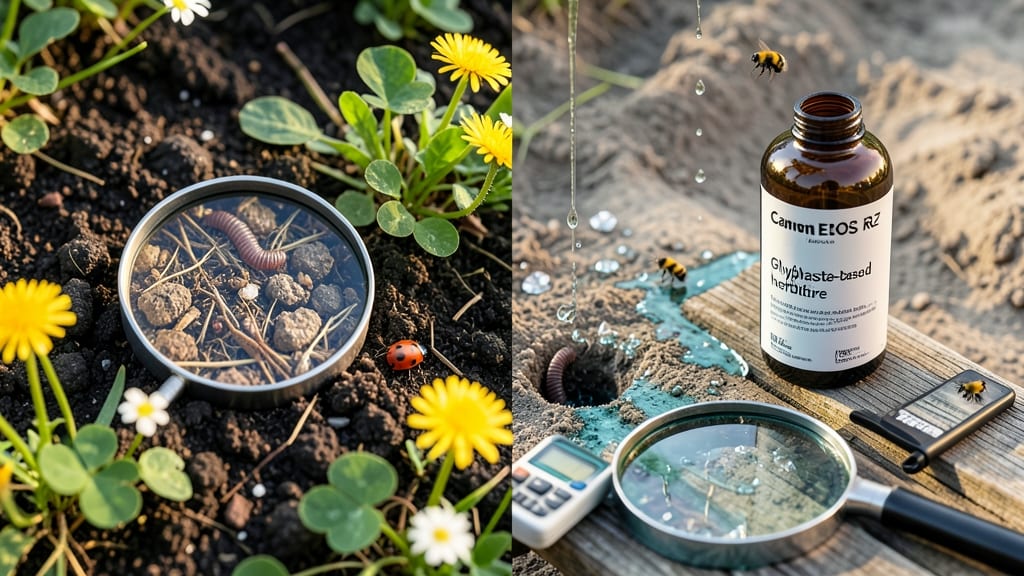
The effects of chemical weed control on soil and environment include severe microbial disruption, organic matter depletion, and groundwater contamination, while also threatening pollinators, ecosystems, and creating herbicide-resistant weeds through long-term toxicity buildup.
Chemical weed killers don't just eliminate weeds—they disrupt the delicate balance of soil microbes that break down organic matter and cycle nutrients. 🌱 Over time, this leads to harder, less fertile soil that struggles to support plant growth.
The real kicker? Many herbicides, like glyphosate, linger in the environment for years, seeping into waterways and harming aquatic life. I’ve seen firsthand how repeated applications can turn once-productive garden beds into barren patches where nothing grows well.
Beyond soil, these chemicals wreak havoc on ecosystems by killing beneficial insects like bees and butterflies, which are critical for pollination. The ripple effect? Fewer crops, disrupted food chains, and even human health risks from contaminated water sources.
The good news? Organic alternatives like mulching, manual weeding, or targeted vinegar sprays can rebuild soil health without the long-term damage.
💡 In This Article
- How Herbicides Degrade Soil Health Over Time
- Safe Weed Management Alternatives for Sustainable Gardens
How herbicides degrade soil health over time
Herbicides like glyphosate and 2,4-D work by mimicking plant hormones, causing uncontrolled growth that kills weeds. But these chemicals don't discriminate—they also target beneficial soil microbes that decompose organic matter.
Studies show glyphosate can reduce microbial populations by up to 40% within weeks, disrupting the nitrogen cycle that plants rely on for growth. This microbial die-off leads to harder, less fertile soil that struggles to retain moisture or support root systems.
The problem deepens when herbicides break down into persistent compounds. Glyphosate, for example, can remain in soil for 6 months to 2 years, while its breakdown product AMPA lingers even longer. These residues bind to soil particles, preventing nutrients like nitrogen and phosphorus from being absorbed by plants.
Over time, this creates a vicious cycle: fewer microbes mean less organic matter, which further reduces soil structure and water-holding capacity. 🌱
pH imbalances are another hidden consequence. Many herbicides are acidic, gradually lowering soil pH over repeated applications. A soil pH drop from 6.5 to 5.5 can reduce nutrient availability by 50%, making it harder for plants to access essential minerals.
This shift also favors weeds that thrive in acidic conditions, creating a self-perpetuating problem where chemical use becomes necessary just to maintain basic garden productivity.
One of the most alarming long-term effects is soil toxicity buildup. Research from the University of California found that fields treated with glyphosate for 5+ years showed elevated levels of heavy metals like arsenic and cadmium, likely due to disrupted microbial processes that normally detoxify these elements.
These metals then enter the food chain through crops grown in contaminated soil, posing risks to both ecosystems and human health.
What makes this damage particularly insidious is how gradual it becomes. A single application might seem harmless, but the cumulative effects over years transform soil from a thriving ecosystem into a degraded, chemically dependent medium.
The visual difference is striking: healthy soil has a dark, crumbly texture with visible worm activity, while herbicide-damaged soil often appears compacted and lifeless, with a grayish hue that signals depleted organic content.
Consider this comparison: A 1-acre field treated annually with glyphosate for 10 years can lose 20-30% of its organic matter, equivalent to losing a 2-inch layer of topsoil**. That's not just reduced plant growth—it's irreversible loss of one of nature's most precious resources.
The economic cost alone is staggering when you factor in the need for synthetic fertilizers to compensate for lost nutrients.
The science behind this degradation involves complex biochemical interactions. Herbicides like 2,4-D disrupt auxin hormone pathways in plants, but they also interfere with microbial enzymes responsible for breaking down complex organic compounds. This dual action creates a double whammy: weeds die, but the soil's natural ability to recycle nutrients collapses.
The result? A sterile growing medium that requires increasingly aggressive chemical inputs to maintain even minimal productivity. 💫