
Neem Oil
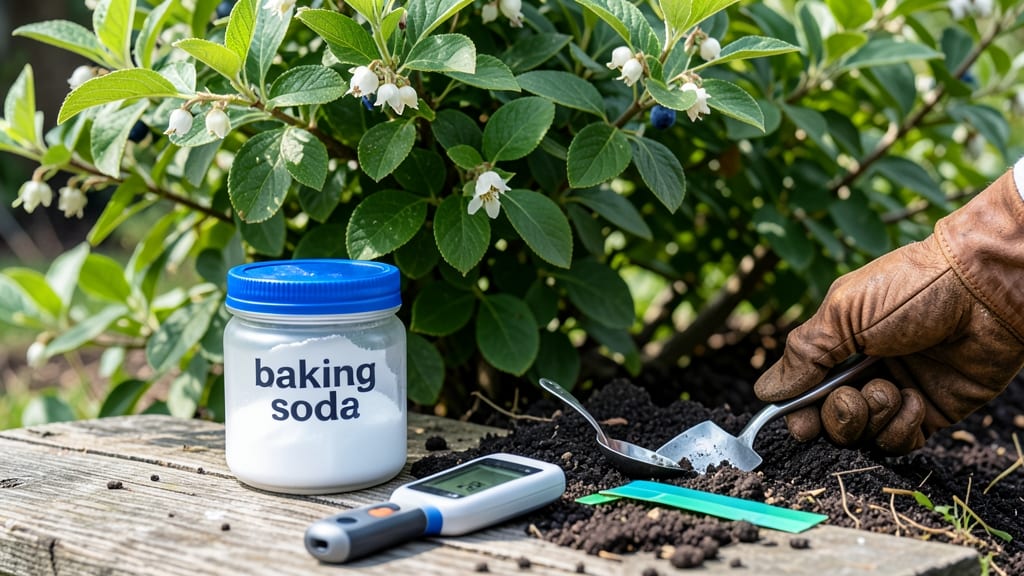
Baking soda for soil pH raises alkalinity by neutralizing acidity, but precise application is critical—typically 1 to 2 tablespoons per gallon of water for most plants, with effects varying by soil type and target pH adjustment. Test soil first to avoid overcorrecting and harming sensitive plants.
Baking soda (sodium bicarbonate) works by reacting with hydrogen ions in acidic soil, effectively raising the pH level through a chemical exchange. 🌱 The adjustment isn't instant—it takes about 2-4 weeks for the effects to stabilize, especially in clay-heavy soils where water retention slows the process.
I always recommend starting with a soil test kit to determine your baseline pH before applying, as some plants like hydrangeas thrive in acidic conditions (pH 4.5-5.5) while others, such as lavender, prefer neutral to alkaline soil (pH 6.5-7.5).
For best results, mix the baking soda solution thoroughly into the top 2-3 inches of soil and water deeply afterward. Overapplication can lead to sodium buildup, which disrupts nutrient availability—particularly for micronutrients like iron and manganese.
If you're dealing with heavily compacted soil, consider amending with compost first to improve structure before adding baking soda.
💡 In This Article
- How Baking Soda Alters Soil Chemistry and pH Balance
- Safe Application Rates for Different Plants and Soil Types
How baking soda alters soil chemistry and pH balance
Baking soda (sodium bicarbonate) works through a simple but powerful chemical reaction called neutralization. When dissolved in water, it dissociates into sodium (Na⁺) and bicarbonate (HCO₃⁻) ions.
In acidic soil (pH < 7.0), the bicarbonate ions react with hydrogen ions (H⁺), forming carbonic acid (H₂CO₃), which quickly decomposes into water and carbon dioxide gas.
This reaction effectively removes H⁺ ions from the soil solution, raising the pH. The process is reversible—if soil conditions change later, the pH can drift back toward acidity.
The effectiveness depends heavily on soil texture. Sandy soils with large particles and minimal water retention show faster pH changes because the baking soda solution moves through quickly, but the effects may be short-lived.
Clay soils, with their tiny particles and high water-holding capacity, trap the baking soda longer, creating a more gradual but sustained pH shift. Organic matter also plays a role—soils rich in decomposed plant material buffer pH changes better, requiring more baking soda for noticeable adjustments.
For example, a 1 tablespoon per gallon solution might raise pH by 0.5-1.0 points in sandy soil but only 0.2-0.5 points in clay within 2-4 weeks. 🌱
This chemical process isn't without risks. The sodium ions left behind can accumulate over time, especially in clay soils, leading to soil salinization. High sodium levels disrupt the soil's structure, reducing water infiltration and root penetration.
The exchangeable sodium percentage (ESP) should stay below 15% to avoid these issues. For plants sensitive to sodium buildup—like blueberries or rhododendrons—alternative amendments like lime (calcium carbonate) may be safer for long-term pH adjustments.
Another critical factor is soil buffering capacity, which varies by location. Some soils resist pH changes due to mineral content (like calcium carbonate), requiring repeated applications.
For instance, a 100 square foot garden bed might need 1-2 cups of baking soda mixed into the top 6 inches of soil to achieve a measurable shift.
Always start with a soil test to determine your baseline pH and target adjustment—skipping this step often leads to overcorrection or wasted effort.
Consider the environmental context too. Baking soda is water-soluble, so rain or irrigation can leach it away, reducing its effectiveness. In regions with frequent rainfall, you may need to reapply every 2-3 months to maintain pH levels.
For container gardens, where drainage is controlled, the effects last longer but require careful monitoring to prevent sodium runoff into groundwater. 💧
The timing of application matters as well. Apply baking soda in early spring or late fall when microbial activity is lower, reducing the risk of sudden pH fluctuations caused by decomposing organic matter.
Avoid applying during hot, dry periods, as the soil's moisture content directly affects how well the baking soda dissolves and distributes. For best results, mix it into moist (not soggy) soil and water thoroughly afterward to activate the chemical reaction.