
Neem Oil
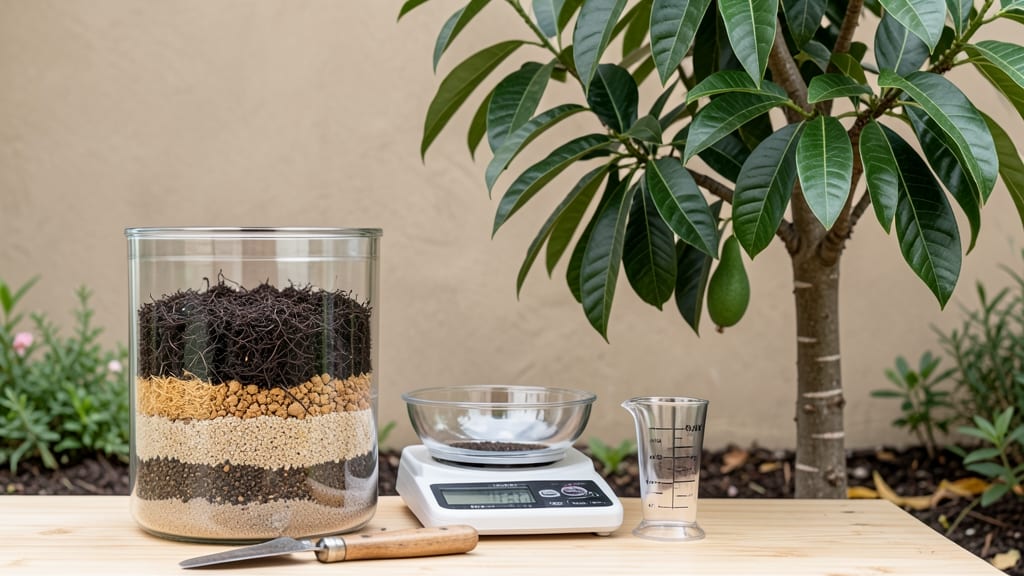
Your avocado soil mix recipe starts with three essential ingredients—each playing a critical role in mimicking the plant's native tropical conditions. 🌱 The right blend prevents root rot while encouraging the rapid growth avocados crave, and neem oil adds that extra layer of protection against fungal threats.
The foundation is 50% well-aged compost (for nutrients), 30% perlite or coarse sand (for drainage), and 20% coconut coir or peat moss (for moisture retention). This ratio keeps roots oxygenated while holding enough water to prevent stress—critical for avocados, which wilt fast when thirsty.
Adding 1 teaspoon of neem oil per gallon of mix acts as both a growth booster and a preventative for root diseases. Mix thoroughly, then let it sit for 24 hours before planting to activate the neem’s antifungal properties without burning tender roots.
For even better results, fold in ½ cup of worm castings per cubic foot of mix. This optional step supercharges nutrient availability, helping your avocado tree grow 2-3 times faster than in standard potting soil. Just avoid over-amending—too much nitrogen stunts fruit production.
📚 In This Guide
- What you need
- Instructions
- Tips and common mistakes
- Wrapping up and next steps
What you need
- ● 1 part Coco coir (pearl or brick form, 2-3 cups for a 5-gallon mix) – retains moisture without compacting.
- ● 1 part Organic potting soil (lightweight, 2-3 cups) – provides structure and microbes.
- ● ½ part Perlite or vermiculite (1-1.5 cups) – improves aeration (perlite for drainage, vermiculite for moisture retention).
- ● ¼ part Worm castings (½–¾ cup) – boosts nutrients naturally.
- ● 2 tbsp Neem cake powder (or 1 tbsp neem oil diluted in water) – fungal/bacterial defense + growth hormones.
- ○ 1 tbsp Mycorrhizal inoculant (optional but highly recommended) – enhances root symbiosis.
- ● Mixing container (5-gallon bucket or wheelbarrow) – sterilized to avoid contaminants.
- ● Gloves & mask (for handling coco coir/perlite—dusty!).
- ○ pH test kit (optional) – aim for 6.0–7.0 (avocados love slightly acidic soil).
- ● Spray bottle (for neem oil dilution if not using powder).
- ○ Fine mesh sieve (optional) – removes clumps for ultra-smooth texture.
Step-by-Step instructions for crafting a neem-infused avocado soil mix
This custom blend supports avocado tree resilience while preventing fungal pressures—here's how to assemble it precisely.
🌱 Step 1: Combine Base Components for Structural Support
In a large container, mix 4 parts coconut coir with 3 parts perlite to create an airy foundation. The coir retains moisture while the perlite prevents compaction—critical for avocado roots that need oxygen. I sift the perlite first to eliminate any fine particles that could clog drainage.
Add 2 parts composted pine bark fines to improve aeration. This component mimics the avocado's natural forest floor environment. Use a garden trowel to break up any remaining clumps, ensuring the mix remains loose enough for roots to penetrate easily. The final texture should resemble damp sandpaper—firm but not dense.
🌿 Step 2: Incorporate Organic Matter for Nutrient Density
Stir in 1 part worm castings thoroughly using gloved hands. The castings introduce beneficial microbes that avocado trees thrive on, particularly during root establishment. I sprinkle them over the surface first, then fold them in to preserve their structure and prevent clumping.
Add ½ part mycorrhizal inoculant to the mix. This fungal partner enhances nutrient uptake in avocado roots, especially phosphorus. Sprinkle it evenly over the blend and mix gently—overworking it can damage the delicate fungal hyphae. The goal is uniform distribution without breaking the inoculant granules.
💧 Step 3: Infuse Neem for Fungal Prevention
Dissolve 1 tablespoon neem cake powder in 1 quart warm water until fully dissolved. This natural fungicide targets common avocado pathogens like root rot and phytophthora. I strain the mixture through a fine mesh to remove any undissolved particles that could create hot spots in the soil.
Gradually pour the neem solution over the dry mix while stirring continuously. The blend should reach 60-70% moisture—enough to clump when squeezed but not drip water. Too much moisture triggers anaerobic conditions that harm avocado roots. Let the mixture sit for 15 minutes to allow the neem to fully integrate.
✂️ Step 4: Adjust pH and Finalize the Blend
Test the mix's pH using a digital meter. Avocados prefer 6.0-7.0, so if readings fall below 5.8, add ½ teaspoon dolomitic lime per gallon of mix and re-test. I sprinkle the lime over the surface and mix thoroughly, then let the blend rest for 30 minutes before final adjustments.
Sift the completed mix through a ¼-inch mesh screen to eliminate any remaining large particles. This ensures uniform texture critical for young avocado roots. Store the finished blend in an airtight container for up to 6 months, keeping it in a cool, dry place to preserve its microbial activity.
Tips & tricks for perfect avocado soil mix
The secret to a thriving avocado tree starts with the right soil blend. These precision-based tips will help you optimize every component for maximum root health and fungal resistance.
Texture Control in Step 1: After combining the 4 parts coconut coir and 3 parts perlite, give the mix a final check by squeezing a handful. It should hold its shape when pressed but not feel compacted—this prevents waterlogging while maintaining structure. If it feels too dense, add an extra ¼ part perlite to improve aeration. The damp sandpaper texture is your target consistency for optimal root penetration.
Protecting Microbes in Step 2: When incorporating the ½ part mycorrhizal inoculant, avoid using metal tools as they can damage the delicate fungal hyphae. I recommend using a wooden spoon or gloved hands for mixing. Also, work in batches if needed—overmixing can reduce the inoculant's effectiveness by breaking the granules. The goal is gentle integration to preserve those beneficial microbes that avocado roots rely on.
Neem Integration in Step 3: The 15-minute resting period after adding the neem solution is crucial for even distribution. During this time, the neem cake powder fully disperses throughout the mix, creating a uniform protective layer against fungal pathogens. If you notice any undissolved particles after straining, give the solution another 5 minutes of gentle stirring before applying—this ensures complete coverage without creating hot spots.
Storage Wisdom: After sifting through the ¼-inch mesh screen, divide the finished mix into smaller airtight containers if making more than 1 gallon. This prevents moisture buildup in the center of large batches, which can trigger anaerobic conditions harmful to avocado roots. Store in a cool, dry place (65-70°F) to maintain microbial activity for the full 6-month shelf life.
Pro Tips for Avocado Soil Mix Recipe
- The secret to a thriving avocado tree starts with the right soil blend. These precision-based tips will help you opti...
- Texture Control in Step 1: After combining the 4 parts coconut coir and 3 parts perlite, give the mix a final check b...
- Protecting Microbes in Step 2: When incorporating the ½ part mycorrhizal inoculant, avoid using metal tools as they c...
Frequently asked questions
Got questions about your avocado soil mix?
Here are some of the most common ones—plus clear, no-fuss answers to keep your plants thriving!
How often should I repot my avocado tree with this soil mix?
Repot your avocado tree every 2–3 years or when roots outgrow the pot (check for circling roots or soil drying too fast). Spring is ideal—avoid winter when growth slows. Use the neem-infused mix to refresh nutrients without shocking the plant.
Can I skip neem oil in the mix? What’s the alternative?
Yes, but you’ll miss fungal/bacterial protection and growth-boosting benefits! Alternatives:
- Cinnamon powder (1 tsp per gallon) – natural antifungal
- Compost tea (brewed from worm castings) – adds microbes
- Mycorrhizal fungi (available as powder) – enhances root health
Why does my avocado plant’s soil smell bad after mixing?
A slight earthy or fermented smell is normal (thanks to neem + compost!). But if it’s rotten or sour, act fast:
- Let the mix aerate for 24–48 hours (break up clumps)
- Add perlite or vermiculite (10% of the mix) to improve drainage
- If mold appears, bake the soil at 200°F for 30 mins to sterilize (cool before use)
How long before I can plant after mixing the soil?
Wait 1–2 weeks to let the neem oil fully integrate and any strong odors dissipate. During this time:
- Store the mix in a sealed bin (but not airtight)
- Test moisture levels—it should feel like a wrung-out sponge
- Avoid planting if the mix feels too wet (add perlite to adjust)
What if my avocado tree’s leaves turn yellow after repotting?
Yellow leaves often mean overwatering, nutrient shock, or root stress. Try this fix:
- Check drainage—ensure pots have holes and saucers
- Water only when the top 2 inches of soil are dry
- Fertilize lightly with diluted fish emulsion (1 tsp/gallon) after 4 weeks
- If roots look mushy or black, trim affected areas and repot in fresh mix
Wrapping up and next steps
Crafting your own neem-infused avocado soil mix is a game-changer for root health and vigorous growth! 🌱 This nutrient-packed blend supports strong roots, deters pests, and promotes lush foliage—perfect for avocado enthusiasts.
Whether you're a seasoned gardener or just starting, this DIY recipe empowers you to nurture thriving plants with natural, cost-effective ingredients.
Ready to level up your gardening game? Gather your supplies, follow the steps, and watch your avocado trees flourish. Next, try experimenting with variations—like adding compost tea or worm castings—to tailor the mix to your plant’s unique needs! Happy growing! 🌿