
How To
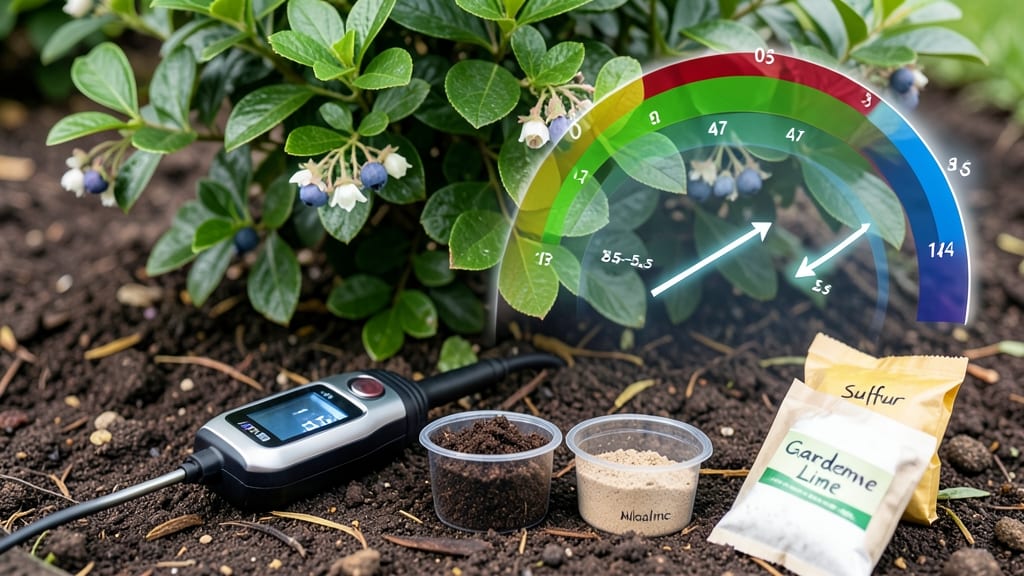
Soil pH is important because it determines nutrient availability by controlling how roots absorb essential minerals like nitrogen, phosphorus, and potassium, making it critical for plant growth and health. Ideal pH levels (typically 6.0–7.0) ensure optimal nutrient uptake for thriving plants.
Soil pH acts like a gatekeeper for plant nutrition—when it's too acidic or alkaline, roots struggle to access key minerals. 🌱 For example, phosphorus becomes locked away in alkaline soils, while nitrogen leaches out in overly acidic conditions.
Even slight pH shifts outside the 6.0–7.0 range can stunt growth or trigger deficiency symptoms like yellowing leaves. I've seen firsthand how adjusting pH can transform struggling plants into vigorous growers—it's not just about adding fertilizer, but creating the right chemical environment for roots to thrive.
What's fascinating is how different plants have unique pH preferences. Blueberries, for instance, thrive in acidic soil (pH 4.5–5.5), while lavender prefers alkaline conditions (pH 7.0–8.0). This means your "ideal" pH depends entirely on what you're growing.
Testing your soil regularly and making small adjustments with amendments like lime (to raise pH) or sulfur (to lower it) can make all the difference in your garden's success.
💡 In This Article
- How Soil pH Affects Nutrient Availability and Plant Growth
- Testing and Adjusting Soil pH for Healthy Gardens
How soil pH affects nutrient availability and plant growth
Soil pH measures hydrogen ion concentration on a logarithmic scale from 0 (most acidic) to 14 (most alkaline), where each whole number represents a tenfold change in acidity. At the molecular level, pH influences how nutrients dissolve and become available to plant roots.
For instance, nitrogen - a crucial building block for amino acids and chlorophyll - exists primarily as nitrate (NO₃⁻) in neutral to alkaline soils, while ammonium (NH₄⁺) dominates in acidic conditions. The problem? Roots can only absorb these forms when they're soluble and present in the right chemical state.
Phosphorus availability demonstrates this perfectly: in alkaline soils above pH 7.0, phosphorus binds tightly to calcium and iron compounds, forming insoluble precipitates that roots can't access. This explains why phosphorus-deficient plants often show up as dark purple leaves - a classic deficiency symptom.
Conversely, in highly acidic soils below pH 5.5, phosphorus becomes soluble but may leach away before roots can uptake it. The ideal pH range of 6.0-7.0 creates that Goldilocks zone where most nutrients exist in their most plant-available forms.
Root function itself gets compromised outside optimal pH ranges. Below pH 5.0, aluminum and manganese become toxic to roots, while above pH 8.0, micronutrients like iron and zinc precipitate out of solution.
I've seen tomato plants with severe iron chlorosis (yellow leaves with green veins) in alkaline soils because the iron simply wasn't available despite being present in the soil.
The root hairs that normally absorb nutrients become damaged in extreme conditions, reducing the plant's overall absorptive capacity by up to 50% in severe cases.
What makes this particularly challenging is how soil pH interacts with organic matter. In acidic soils, organic materials like peat break down rapidly, releasing nutrients quickly but also acidifying the soil further. In alkaline soils, organic matter decomposes slowly, creating a nutrient buffer but potentially locking up phosphorus.
This is why soil testing isn't just about pH numbers - it's about understanding your soil's buffering capacity and how it will respond to amendments.
Consider the case of blueberries: they require acidic soils because their root systems can't compete with soil microbes for phosphorus in neutral pH. At pH 6.0, these plants show severe deficiencies because the microbes outcompete the roots for available nutrients.
The same soil might be perfect for carrots, which prefer slightly acidic to neutral conditions. This plant-specific sensitivity means your pH management strategy should always start with what you're growing.
The visual symptoms of pH imbalance are often the first clues gardeners notice. Yellowing between leaf veins (interveinal chlorosis) typically signals iron deficiency in alkaline soils, while stunted growth with dark green leaves often points to nitrogen being locked up in acidic conditions.
These symptoms aren't just cosmetic - they represent the plant's struggle to access the building blocks it needs for growth.