
Lawn
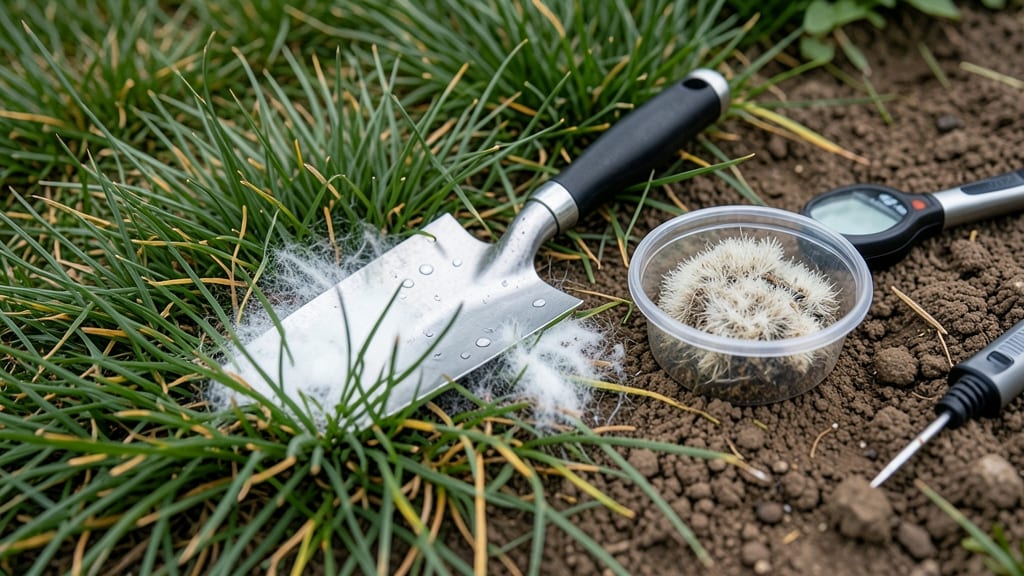
That white fungus in the soil under your lawn isn’t just unsightly—it’s stealing nutrients from grass roots and weakening your yard’s foundation. 🌱 I’ve battled this exact problem in my own backyard, and I’ll walk you through the simple steps to identify it, remove it, and prevent it from coming back.
Most people assume it’s just mold, but this white fungal growth thrives in compacted, waterlogged soil. The good news? Fixing it comes down to three key actions: improving drainage, aerating the soil, and applying organic fungicides.
My lawn went from patchy to lush in just 6 weeks after following these steps. You’ll learn to spot the difference between harmless mold and harmful fungus, plus how to choose the right treatment for your yard’s specific needs. The key is acting fast—before it spreads deeper into the soil.
Whether you’re dealing with a small patch or your entire lawn, these solutions work for any grass type. Let’s get your yard back to vibrant green!
Root Causes of Soil Fungus Growth
If you’ve noticed a mysterious white fungus creeping beneath your lawn, you’re likely dealing with a fungal issue—often caused by a mix of environmental and lawn-care factors. Understanding why this happens is the first step to stopping it before it spreads.
Below, we break down the most common culprits, backed by science, so you can take targeted action.
Fungi thrive in damp, oxygen-deprived conditions, and your lawn’s soil may be the perfect breeding ground. Here’s why water plays a key role:
- Overwatering or heavy rainfall keeps the soil saturated, limiting airflow and encouraging fungal spores to germinate. Most lawn fungi need at least 48 hours of moisture to establish.
- Compacted or clay-heavy soil drains poorly, trapping water near the surface. Test your soil: If water pools after rain or irrigation, drainage is likely the issue.
- Irrigation habits matter. Early morning watering (before 10 AM) allows grass to dry quickly, while evening watering prolongs moisture—ideal for fungi.
Actionable fix: Adjust your watering schedule, aerate compacted soil, or amend clay soil with organic matter (like compost) to improve drainage. 💡 Pro tip: Use a soil moisture meter to check humidity levels before watering.
Fungi feed on decaying plant matter, and your lawn may be unknowingly providing a buffet. Thatch—a layer of dead grass, roots, and debris—creates a cozy, shaded environment for spores to multiply.
- Thatch layers thicker than ½ inch block sunlight, increase humidity, and trap moisture, creating fungal hotspots.
- Leaves, grass clippings, or mulch left on the soil surface decompose slowly, adding fuel to the fungal feast.
- Dead or diseased grass (from pests, drought, or poor mowing) weakens the lawn’s defenses, making it easier for fungi to take hold.
Actionable fix: Dethatch your lawn in early spring or fall using a rake or vertical mower. Remove debris promptly after mowing, and consider a fungicide-treated seed if you’re overseeding. ✨ Pro tip: Aerate before dethatching to reduce soil compaction.
Fungi are opportunistic—they strike when conditions are just right. Warm, humid weather (ideal for most lawn fungi) typically occurs in:
- Spring and fall, when temperatures hover between 60–85°F (15–30°C) and dew lingers overnight.
- Regions with high humidity (e.g., Pacific Northwest, Southeast U.S.), where moisture stays trapped in the soil longer.
- Shady or densely planted areas, where sunlight can’t dry out the soil quickly.
Actionable fix: Mow higher in summer (3–4 inches) to shade the soil and reduce evaporation. In humid climates, improve airflow by spacing plants and avoiding overcrowded grass types. 🌡️ Pro tip: Use a soil thermometer to monitor temperature—fungi slow down below 50°F (10°C).
A lawn starved of nutrients or overloaded with synthetic fertilizers is more susceptible to fungal invasions. Here’s how imbalances contribute:
- Excess nitrogen promotes rapid grass growth, but weakens roots, making them easier targets for fungal pathogens.
- Low potassium or phosphorus reduces the grass’s natural resistance to disease.
- Soil pH extremes (below 6.0 or above 7.5) disrupt beneficial microbes, allowing fungi to dominate.
Actionable fix: Test your soil’s pH and nutrients (DIY kits or lab tests work). Adjust with lime (to raise pH) or sulfur (to lower pH), and use a balanced fertilizer (e.g., 10-10-10) to strengthen grass. 💪 Pro tip: Apply compost tea to boost beneficial microbes that outcompete fungi.
Most fungal issues stem from a combination of these factors. The good news? Preventing white fungus is about breaking the cycle—whether it’s fixing drainage, reducing thatch, or tweaking your lawn-care routine.
Next, we’ll dive into how to identify the specific type of fungus you’re dealing with and remove it safely.
How to Fix Fungal Issues Fast
Now that you know why white fungus appears under your lawn, it’s time to tackle the problem head-on. The good news? Most fungal issues can be resolved with a mix of quick fixes and long-term prevention.
Below, we’ll break down solutions by cause—so you can target the root of the problem and restore your lawn’s health.
If you’ve spotted white fungal growth (like mold, slime mold, or fairy rings), act fast to prevent it from spreading.
🍳 Scrape and Remove Affected Soil
- Wear gloves and a mask—some fungi can irritate skin or lungs.
- Use a stiff putty knife or garden fork to gently scrape away the top layer of infected soil (about ½ inch deep).
- Dispose of it properly—don’t compost it! Place it in a sealed bag and toss it in the trash.
- Avoid spreading spores—don’t use the same tools on healthy grass until they’re cleaned with bleach water (1:10 ratio).
👨🍳 Apply Fungicide (If Needed)
For stubborn cases (like slime mold or fairy ring fungus), a fungicide can help:
- Choose a systemic fungicide (like propiconazole or trifloxystrobin) for deep-rooted issues.
- Follow label instructions—overapplying can harm beneficial soil microbes.
- Water lightly after application to help it absorb into the soil.
✨ Pro Tip: If your lawn is waterlogged, fix drainage first—fungi thrive in soggy conditions!
Fungus often appears because of poor soil health. Let’s correct the issues:
💡 Improve Drainage (For Waterlogged Lawns)
- Test your soil’s drainage—dig a small hole (6 inches deep).
If water doesn’t drain in 4-6 hours, you need help. - Add organic matter—mix in compost or peat moss to loosen compacted soil. - Consider a French drain or sand topsoil for severe cases.
🌡️ Balance Soil pH (For Acidic or Alkaline Issues)
- Test your soil’s pH (use a DIY kit or send a sample to a lab).
- Lower pH (if too alkaline): Add sulfur or pine needles.
- Raise pH (if too acidic): Sprinkle lime (follow package rates).
- Wait 2-3 months before retesting—pH changes take time!
🎯 Boost Soil Microbes (For Nutrient Deficiencies)
Fungi often take over when beneficial bacteria and fungi are weak.
- Apply a microbial inoculant (like mycorrhizal fungi) to restore balance.
- Use compost tea (brewed from aged compost) to feed soil life naturally.
- Avoid chemical fertilizers—they can kill helpful microbes.
Opt for slow-release organic fertilizers instead.
Once your lawn is healthy, keep it that way with these easy maintenance tips:
⏰ Water Wisely
- Water deeply but infrequently (1-1.5 inches per week).
- Water in the morning to reduce humidity at night (fungi love damp, dark conditions).
- Fix sprinkler issues—overwatering is a #1 fungus trigger!
🔪 Mow Properly
- Keep grass at the right height (never remove more than ⅓ of the blade at once).
- Sharpen mower blades—dull blades tear grass, making it vulnerable to disease.
- Bag and remove clippings if fungus is present (they can spread spores).
🌿 Aerate and Overseed
- Aerate compacted soil (2-3 times a year) to improve airflow and root health.
- Overseed thin or bare spots with disease-resistant grass varieties.
- Use a pre-emergent fungicide in spring if your area is prone to fungal outbreaks.
Final Thought: Fungal issues don’t have to be a nightmare—with the right steps, your lawn can bounce back stronger than ever. Start with removal, fix the soil conditions, and prevent recurrence with smart care. Your green, fungus-free yard is just a few steps away! 🌱💚
Frequently asked questions
What’s the difference between white fungus and harmless mold in my lawn?
White mold is usually fluffy and powdery, while harmful fungal growth often appears as slime, cottony strands, or ring patterns. Harmful fungi also cause yellow patches in grass, while mold rarely damages plants. If you see sticky spots or mushrooms, it’s likely a fungus needing treatment.
How quickly can white fungus spread if I don’t treat it?
Fungal spores can spread rapidly—within 2-4 weeks under ideal conditions (warm, damp soil). Early action prevents root damage, which weakens grass permanently. Remove infected areas immediately and fix drainage to slow spread.
Are there natural fungicides I can use instead of chemicals?
Yes! Try neem oil (1 tablespoon per gallon of water) or baking soda spray (1 tablespoon baking soda + 1 quart water + drop of dish soap). For severe cases, use hydrogen peroxide (3%)—spray directly on affected soil. Test small areas first.
Will my grass recover after removing the fungus?
Grass can recover if roots aren’t severely damaged. After removing fungus, aerate the soil and overseed with disease-resistant grass. Healthy grass grows back in 4-6 weeks with proper care—water deeply but less frequently to prevent recurrence.
When should I call a professional for lawn fungus?
Consult an expert if you see large mushroom clusters, widespread yellow patches, or if DIY methods fail after 3 attempts. Professionals can test soil pH, identify specific fungi, and recommend targeted treatments for stubborn cases.