
How To
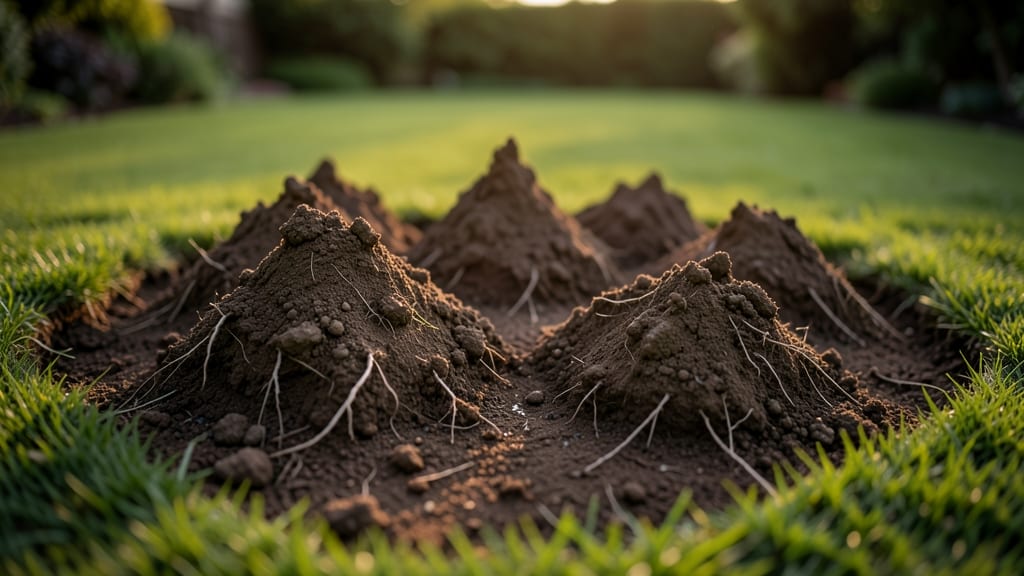
Soil insects play a crucial role in garden health—but some can devastate your plants overnight. Learn to identify these 10 common soil-dwelling pests and use targeted strategies to protect your garden before damage occurs.
Cutworms: The Silent Nighttime Garden Destroyers
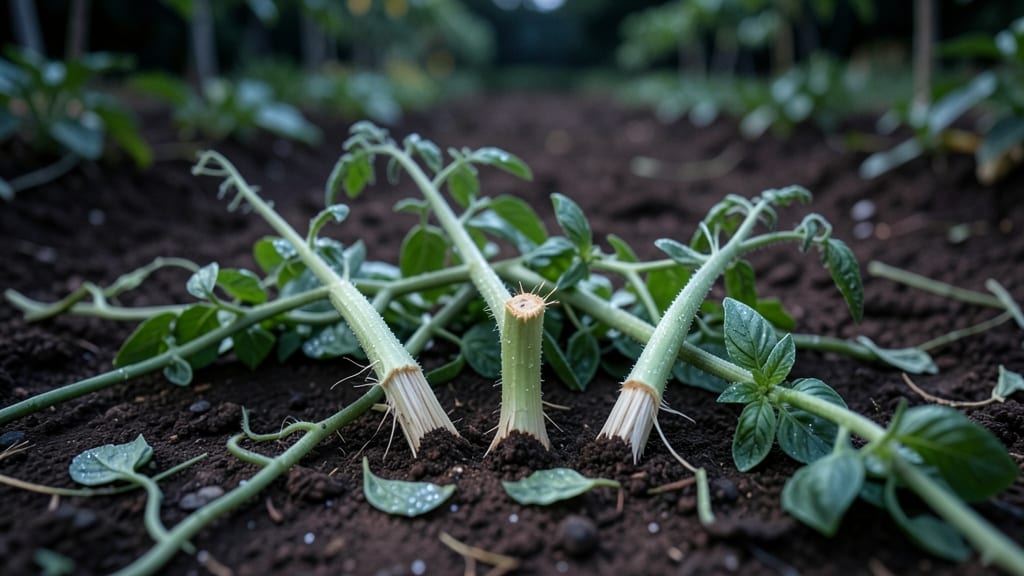
Ever woken up to find your tomato seedlings or basil plants mysteriously toppled at the base? That’s the work of cutworms—nocturnal caterpillars that chew through stems like stealthy garden ninjas. These pests strike under cover of darkness, leaving behind clean-cut stumps that look like they were severed with scissors.
Cutworms thrive in moist, weedy soil and are most active during warm nights. To spot them, inspect plants at dusk or place a cardboard collar around young seedlings—they’ll climb onto it overnight. For organic control, try diatomaceous earth around plant bases or handpick them after dark (they’re sluggish when cold). A neem oil spray also disrupts their feeding habits without harming beneficial insects.
Vegetable gardeners and seedling growers should prioritize this defense, as cutworms can decimate entire rows overnight. Early intervention is key—once they’ve moved on, your plants may not recover. 🌱
Grubs: White, C-Shaped Larvae Devouring Roots
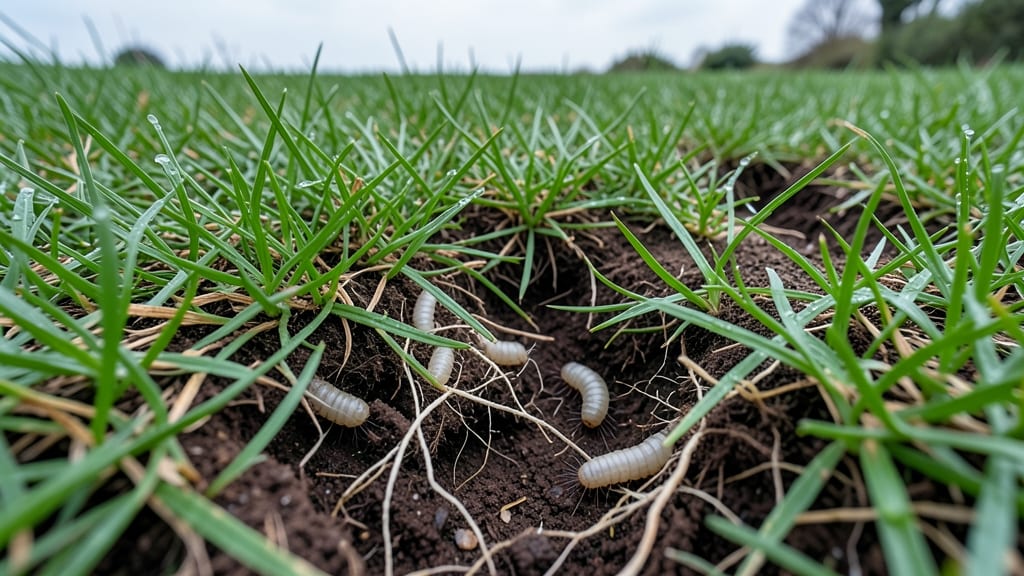
If your lawn or garden suddenly develops brown patches that don’t respond to watering, the culprit might be grubs—the white, C-shaped larvae of Japanese beetles and June bugs. These underground munchers chew through roots, leaving your plants struggling to survive, and they’re especially tricky for organic gardeners who want to avoid harsh chemicals.
To spot them, dig up a small section of sod or soil—grubs are most active in late summer and early fall. If you find these plump, segmented larvae, act fast: milky spore (a natural bacteria) or beneficial nematodes are top organic solutions. For immediate relief, handpick grubs during cool, damp evenings and feed them to birds or chickens. Overwatering can also attract grubs, so maintain balanced soil moisture.
Lawn and vegetable gardeners in warm climates should monitor grubs closely, as they thrive in grassy areas and can wreak havoc on young plants. With the right approach, you can reclaim your garden without resorting to pesticides. 🌱
Wireworms: Elongated, Hard-Bodied Soil Predators
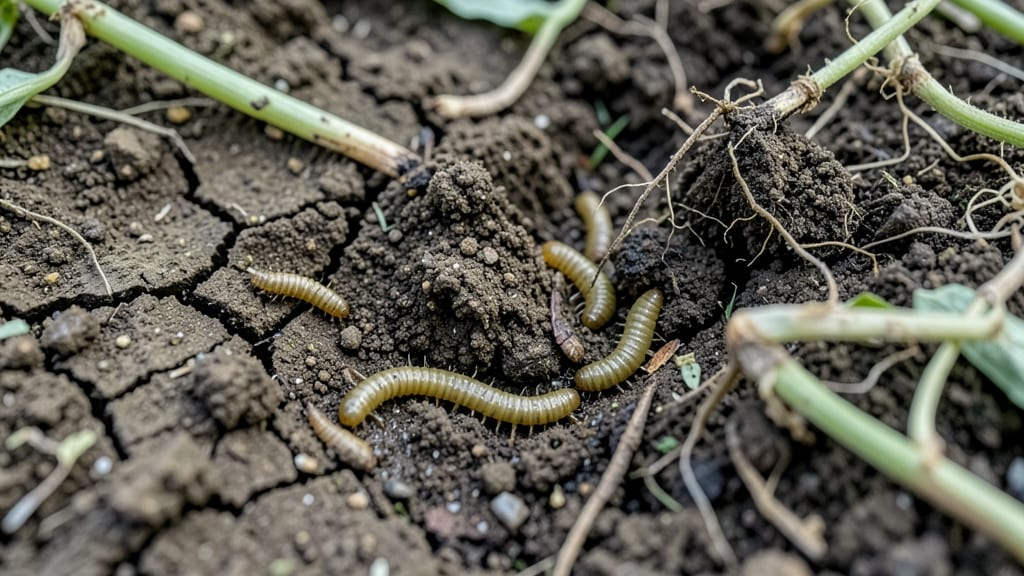
If your potatoes or corn sprouts mysteriously vanish underground, wireworms—the hard-bodied, yellow-brown larvae of click beetles—are likely the culprits. These stealthy pests thrive in undisturbed, organic-rich soil, making them a persistent challenge for gardeners in cooler climates.
Wireworms attack seeds and tubers by chewing through them, leaving behind irregular holes or completely destroyed plants. Their one-year life cycle means they can cause damage for multiple growing seasons if left unchecked. To deter them, avoid planting in undisturbed soil—tilling or adding fresh compost can disrupt their habitat. For organic control, use neem oil or plant trap crops like ryegrass to lure them away from your main crops.
Gardeners in the Pacific Northwest and northern U.S. should be especially vigilant, as wireworms are most active in these regions. Early detection and prevention are key to protecting your underground harvests. 🌱
Sowbugs and Pillbugs: Harmful in Large Numbers
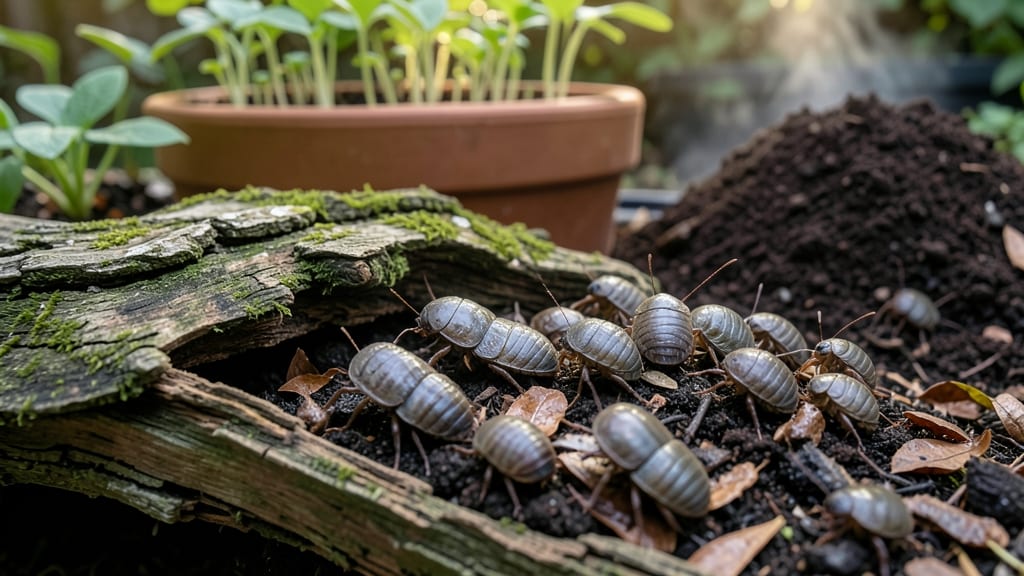
Those tiny, armor-plated sowbugs and pillbugs scurrying under logs might seem harmless, but when they overpopulate, they can turn into seedling devourers—especially in container gardens and compost piles where moisture levels spike.
While they primarily feed on decaying organic matter, large colonies will chew through young leaves, stems, and even newly sprouted seeds. The key is monitoring their numbers: a few are great for breaking down compost, but hundreds crawling across seedlings means it’s time to act. Reduce their habitat by keeping mulch dry and adding diatomaceous earth around vulnerable plants.
Composters and urban gardeners with limited space will benefit most from this watchful approach—balancing their helpful decomposition work with protecting tender new growth. 💚
Ants: Soil Aerators or Seedling Thieves?
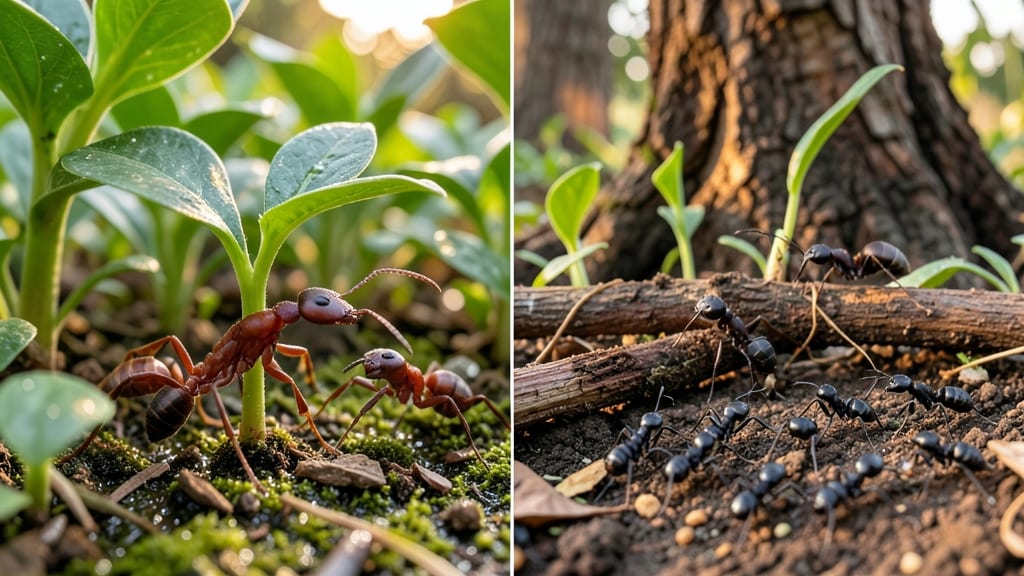
Not all ants are created equal—some are your garden’s unsung heroes, while others can turn your seedlings into a buffet. The key lies in identifying which species are visiting your soil, especially in tropical climates where aggressive varieties like fire ants and carpenter ants thrive.
Most ants aerate soil and disperse seeds, but fire ants create mounds that disrupt root systems, while carpenter ants tunnel into wood, weakening garden structures. Look for red fire ants with aggressive mounds or black carpenter ants with smooth, clean-cut wood damage. For tropical gardeners, diatomaceous earth or neem oil can deter harmful species without harming beneficial ones.
If you’re growing delicate seedlings or using untreated wood in your garden, this distinction matters most. A little observation now can save your plants later! 🌱
Fungus Gnats: Dark Winged Adults with Larvae Feeding on Roots
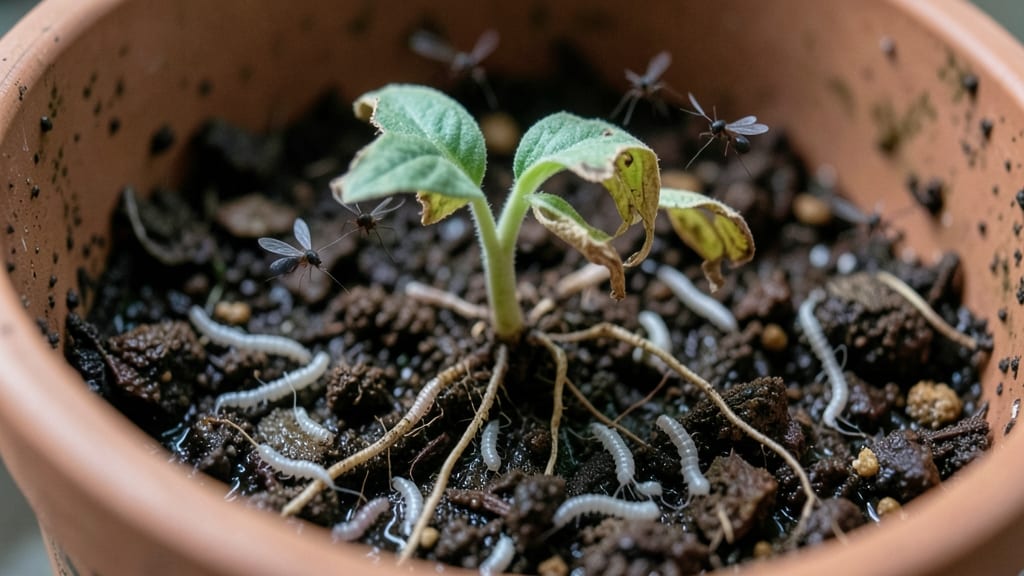
If your houseplants or seedlings are wilting despite consistent watering, fungus gnats might be the culprit. These tiny, dark-winged flies lay eggs in moist soil, where their larvae feast on delicate roots, stunting growth and even killing young plants.
The larvae thrive in overwatered soil, especially in moisture-controlled environments like greenhouses or indoor setups. To combat them, let the top inch of soil dry between waterings and use yellow sticky traps to catch adults. Adding a thin layer of sand or perlite to soil surfaces disrupts their breeding cycle.
This pest is particularly troublesome for seedling growers and houseplant enthusiasts, as their damage often goes unnoticed until plants show signs of stress. Early intervention can save your green babies! 🌱
Termites: Wood-Boring Soil Insects in Gardens
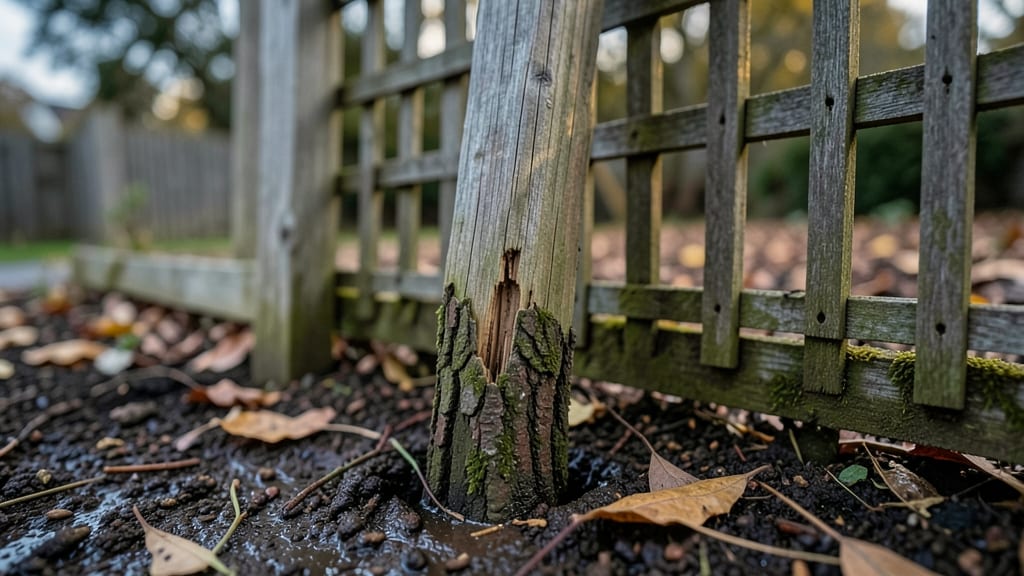
If you rely on untreated wood for garden stakes, trellises, or compost bins, subterranean termites could be silently weakening your setup. Unlike their reputation for structural damage, these soil-dwelling insects thrive in moist garden beds, where they chew through cellulose—including your organic gardening tools.
Look for mud tubes along wooden surfaces or swarms of winged termites near soil edges in spring. To protect your garden, treat wood with borax-based solutions or opt for metal or plastic alternatives. Regularly inspect compost bins, as their damp environment attracts these pests—especially in humid climates.
Organic gardeners using wooden supports should prioritize this check, as termite damage can compromise plant stability and compost integrity. A quick inspection now could save your garden’s structure later. 🌿
Springtails: Tiny Dark Insects with Furcula
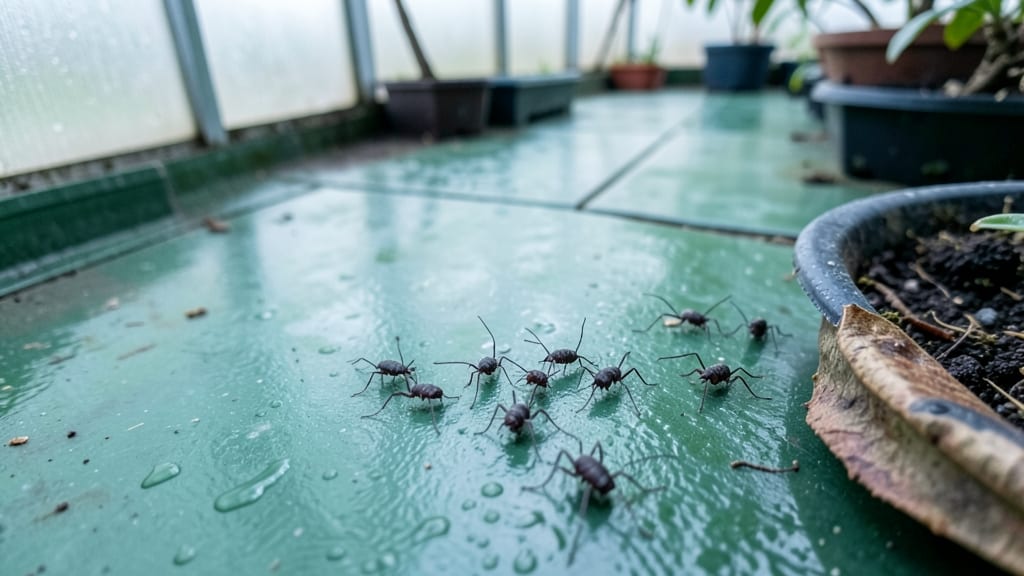
If you’ve ever spotted tiny, dark insects darting across your greenhouse floor or indoor garden pots, you’re likely dealing with springtails. These minuscule, furcula-equipped creatures are usually harmless—but when they explode in numbers, they can signal a humidity problem that’s harming your plants.
Springtails thrive in overly moist soil, where they feed on decaying organic matter. While they don’t directly harm plants, their overpopulation often indicates poor drainage or excessive watering, creating ideal conditions for root rot. To keep them in check, reduce humidity by improving airflow, using well-draining soil mixes, and avoiding overhead watering. A simple soil test can reveal if moisture levels are too high.
Greenhouse and indoor gardeners should monitor these tiny indicators—they’re your early warning system for soil health. Addressing their presence now prevents bigger issues later. 💚
Rove Beetles: Predatory Soil Insects with Elongated Abdomen
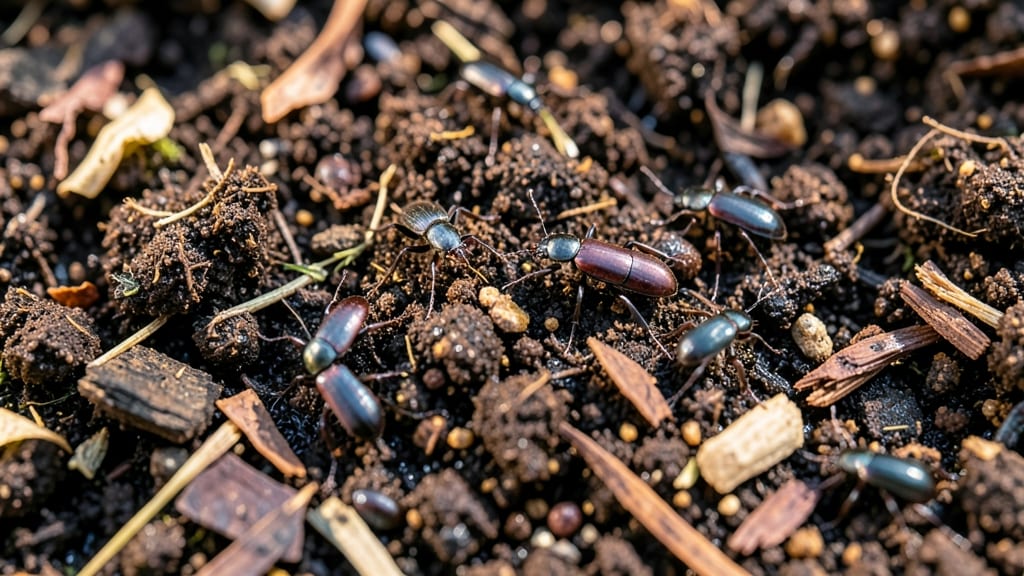
If you’ve ever sifted through compost and spotted tiny, fast-moving beetles with long, segmented abdomens, you’ve likely encountered rove beetles—nature’s pest-control team with a catch. These beneficial predators devour soil-dwelling pests like grubs, slug eggs, and even fungus gnat larvae, making them a gardener’s secret weapon.
However, some species—such as the compost rove beetle—can overpopulate in active compost piles, breaking down organic matter too quickly and leaving you with crumbly, unusable heap. To strike the right balance, monitor compost moisture (keep it damp but not soggy) and avoid overfeeding with nitrogen-rich greens. These beetles thrive in well-aerated, slightly acidic soil, so mulching with straw or leaves can attract them to your garden beds.
For organic gardeners and compost enthusiasts, rove beetles are a double-edged sword: embrace their pest-control prowess in the soil while keeping their numbers in check in your compost. 🌱
Mole Crickets: Subterranean Diggers with Spade-Like Front Legs

If your lawn or garden beds suddenly feature irregular soil mounds that look like tiny volcanoes, you’re likely dealing with mole crickets—the underground powerhouses of southern gardens. These nocturnal pests tunnel through soil, severing roots and creating havoc in warm-season lawns and vegetable patches.
Mole crickets thrive in warm climates (Zones 7-11) and are most active during summer evenings, when they emerge to feed on grass roots, bulbs, and young seedlings. Look for their distinctive spade-like front legs and volcano-shaped mounds (1-2 inches tall) as key identifiers. Their damage often mimics drought stress, but the roots will reveal jagged cuts when pulled.
Southern gardeners and lawn care enthusiasts should prioritize early detection—handpicking adults at dusk or applying beneficial nematodes like Steinernema carpocapsae for organic control. For severe infestations, milky spore (a natural bacteria) can provide long-term suppression. 🌱