
How To
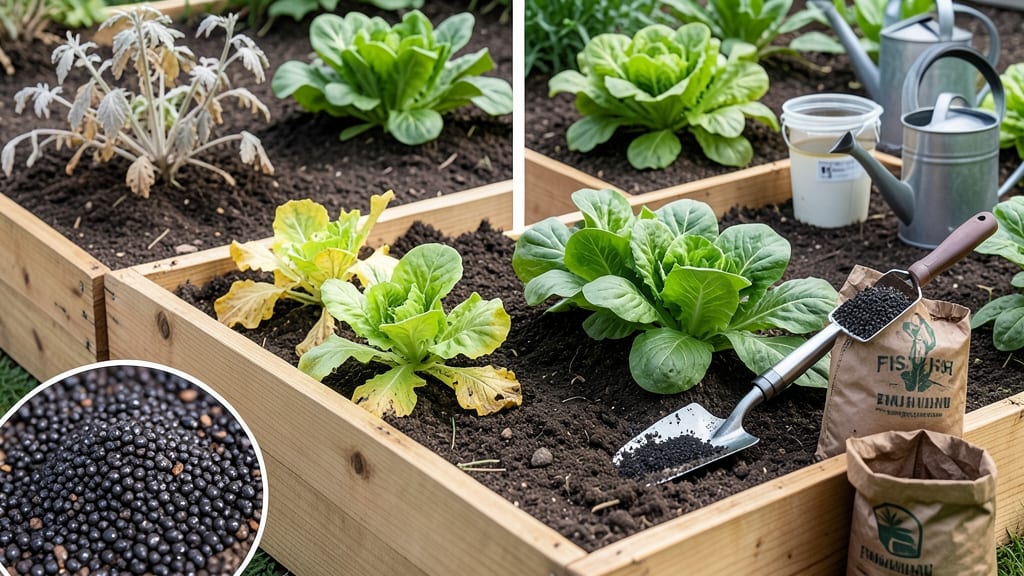
Your wilted leafy greens are screaming for nitrogen—this is how to add nitrogen to soil quickly and turn them around in days. 🌱 I’ve saved more than one struggling garden from yellowing leaves and stunted growth with these fast-acting methods, and the results show up faster than you’d expect.
Quick fixes like blood meal (1 pound per 100 sq ft) or liquid fish emulsion (diluted to 1-2 tablespoons per gallon) work within 24-48 hours—perfect for emergency greening.
For synthetic speed, urea (½ pound per 100 sq ft) dissolves fast in water, but apply it when rain is forecasted to avoid burning roots. Just don’t overdo it: too much nitrogen sends plants into a growth frenzy but weakens their structure.
After applying, water deeply to activate the nitrogen and prevent surface buildup. You’ll see new green leaves within a week, but don’t stop there—follow up with a balanced fertilizer in 4-6 weeks to keep the soil healthy long-term.
The key is timing: add nitrogen when plants are actively growing, not in drought or extreme heat.
Pro tip: Test your soil first if possible—some plants (like tomatoes) need nitrogen early, while others (like onions) prefer it later. And if you’re using manure, age it for at least 6 months to avoid pathogens. Quick fixes work, but smart follow-up keeps your garden thriving.
📚 In This Guide
- What you need
- Instructions
- Tips and common mistakes
- Wrapping up and next steps
What you need
- ● Nitrogen-rich amendments (pick 1-2): Blood meal (10-20 lbs per 100 sq ft) – fast-acting organic nitrogen
- ● Fish emulsion (1-2 gallons per 100 sq ft) – liquid gold for quick uptake
- ● Alfalfa meal (5-10 lbs per 100 sq ft) – balanced organic option
- ● Composted manure (e.g., cow, chicken, or horse – 2-3 inches spread) – slow-release but potent
- ● Garden tools: Garden fork or tiller (for deep incorporation)
- ● Garden gloves (to protect your hands)
- ● Rake (for even spreading)
- ● Watering can or hose (for activation)
- ○ Soil test kit (optional but helpful) – To check current nitrogen levels before adding more.
- ● Epsom salt (1 tbsp per gallon of water) – boosts magnesium and nitrogen uptake
- ● Mulch (straw, grass clippings, or leaves) – retains moisture and slows nitrogen loss
- ● Compost tea (homemade or store-bought) – microbe-powered nitrogen kickstart
- ● Plant-specific fertilizer (e.g., tomato or leafy green fertilizer) – for targeted growth
Step-by-Step guide to boosting soil nitrogen fast
Here’s my go-to method for delivering nitrogen fast—no waiting weeks for compost to break down.
🌱 Step 1: Choose Your Fast-Acting Nitrogen Source
For immediate results, I reach for synthetic nitrogen boosters like urea or ammonium sulfate—both dissolve quickly and feed plants within days. Urea converts to ammonium in the soil, while ammonium sulfate delivers nitrogen and sulfur simultaneously. Apply ½ pound per 100 square feet of garden bed, following label instructions precisely.
Organic options like alfalfa meal or blood meal work faster than compost but still take 2-4 weeks to fully break down. I prefer alfalfa meal for its balanced nutrient profile—sprinkle 1 pound per 100 square feet and lightly rake in. Avoid blood meal if you have pets; it can attract scavengers.
💧 Step 2: Apply and Water In Immediately
Spread the nitrogen source evenly over the soil surface, focusing on leafy plants like lettuce, spinach, or lawn grass. For vegetables, concentrate around the root zone—2-3 inches from the stem—to prevent leaf burn. Lightly rake or scratch into the top ½ inch of soil to ensure contact with roots.
Water deeply right after application—this activates synthetic fertilizers and dissolves organic amendments. Use ½ gallon of water per square foot to ensure full penetration. Avoid overhead watering if using blood meal; it can clump and waste product. You’ll see wilting or browning if over-applied—reduce next time by half.
☀️ Step 3: Monitor and Reapply as Needed
Check soil moisture daily for the first 3-5 days—nitrogen works best in consistently damp (not soggy) soil. Yellowing leaves between veins signal nitrogen deficiency, while crispy edges mean over-application. For fast turnaround, I reapply every 2-3 weeks during peak growth (spring and summer).
For lawns, split applications into two doses—first when grass greens up, then again after mowing. Container plants need half the rate due to limited soil volume. Watch for leafy but weak growth—this means nitrogen is working, but you may need phosphorus or potassium next.
✂️ Step 4: Pair With Organic Matter for Long-Term Health
While synthetic boosts give instant results, I always follow up with compost or worm castings to rebuild soil structure. Mix 1-2 inches of compost into the top 6 inches of soil after the nitrogen rush. This prevents soil depletion and supports microbial activity that naturally cycles nitrogen over time.
For vegetable gardens, I top-dress with compost after harvest to replenish nutrients. Mulch with straw or grass clippings to slow nitrogen loss from leaching. You’ll notice deeper green foliage within 5-7 days of compost addition—proof the soil is now self-sustaining.
Tips & tricks for fast soil nitrogen boosts
Here's what I've learned from years of testing—these tricks make all the difference when you need quick, visible results.
Timing is Everything: The 3-5 day monitoring window in Step 3 is your critical observation period. I check soil moisture every morning during this time—nitrogen works best when soil stays consistently damp, not wet. Use your finger to test moisture: if it feels like a wrung-out sponge, you're good. If it's dry, water immediately. Overwatering causes leaching, while underwatering prevents root uptake.
Application Precision: When applying in Step 2, I use a spreader for synthetic fertilizers to ensure even distribution—uneven application leads to patchy growth. For organic options like alfalfa meal, I lightly rake in just the top ½ inch to prevent clumping. The key is surface contact with roots while avoiding direct stem contact, which can cause burn. Focus on the root zone (2-3 inches from stems) for vegetables to maximize uptake.
Seasonal Adjustments: The 2-3 week reapplication schedule in Step 3 works best during spring and summer's active growth periods. In fall, extend this to 4-5 weeks—cooler temperatures slow nitrogen conversion. For container plants, I halve the rates (¼ pound for synthetics, ½ pound for organics) due to limited soil volume, but maintain the same frequency. Always adjust downward if you see crispy leaf edges after application.
Long-Term Strategy: The compost addition in Step 4 isn't just about nutrients—it's about creating a nitrogen reserve. I mix compost into the top 6 inches because that's where most root activity occurs. For vegetable gardens, I top-dress after harvest to replenish what was consumed during growth. This creates a self-sustaining cycle where your soil gradually builds its own nitrogen supply over time.
Pro Tips for Add Nitrogen To Soil Quickly
- Here's what I've learned from years of testing—these tricks make all the difference when you need quick, visible resu...
- Timing is Everything: The 3-5 day monitoring window in Step 3 is your critical observation period. I check soil moist...
- Application Precision: When applying in Step 2, I use a spreader for synthetic fertilizers to ensure even distributio...
Frequently asked questions
about boosting soil nitrogen fast—because even the greenest thumbs have doubts! Here are answers to the most common queries to keep your plants thriving.Can I use coffee grounds to add nitrogen quickly?
Yes! Coffee grounds are a great organic nitrogen source, but they break down slowly. Mix them into the top 2–3 inches of soil and water well. For faster results, blend them into compost first or pair with a quick-release method like blood meal. Just avoid overdoing it—too much can acidify soil.
How soon will plants show signs of nitrogen improvement?
Fast-acting nitrogen (like synthetic fertilizers or fresh manure) can show results in 3–7 days, while organic options (compost, cover crops) take 2–6 weeks. Look for deeper green leaves and faster leafy growth. If no change appears after 2 weeks, recheck your soil pH or application method.
What if my soil smells bad after adding nitrogen?
A slight ammonia smell is normal with fresh manure or synthetic fertilizers, but a rotten egg or sour odor means over-application or poor drainage. Flush the soil with water, aerate it, and reduce nitrogen until the smell fades. For severe cases, add lime to balance pH.
Are there nitrogen-rich plants I can grow to fix soil?
Plant cover crops like clover, vetch, or peas—they pull nitrogen from the air and deposit it into the soil as they grow. After 6–8 weeks, till them into the soil for a natural boost. Bonus: They suppress weeds and improve soil structure!
What’s the cheapest way to add nitrogen to soil fast?
Skip synthetic fertilizers—try these budget-friendly hacks:
- Fresh grass clippings (mow and chop into mulch)
- Eggshells or banana peels (crush and compost)
- Weeds or plant trimmings (chop and drop as mulch)
- Human urine (dilute 1:10 with water—free and potent!)
Wrapping up and next steps
Adding nitrogen to your soil quickly doesn’t have to be complicated—just pick the right method for your garden’s needs!
Whether you’re using organic options like coffee grounds or manure, or opting for fast-acting fertilizers, each approach can give your plants the green boost they crave in no time. Start small, monitor progress, and soon you’ll see lush, vibrant growth!
Ready to take the next step? Test your soil first to confirm nitrogen levels, then choose a method that fits your timeline and garden goals. Happy growing—your plants will thank you! 🌱✨