
Fertilization
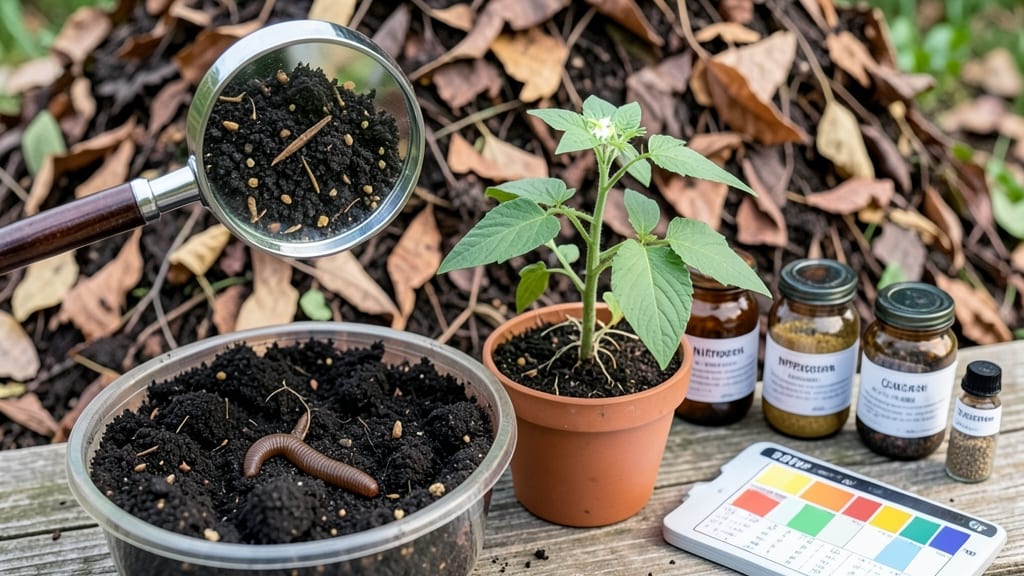
Black soil is rich in organic matter, essential nutrients like nitrogen, phosphorus, and potassium, and beneficial minerals such as calcium, magnesium, and iron. Its dark color comes from high humus content, creating fertile growing conditions for plants.
Black soil's fertility powerhouse comes from its humus-rich composition, which acts like a natural sponge for water and nutrients. 🌱 The decomposed plant material—called humus—feeds beneficial microbes that break down organic matter into plant-available forms.
Unlike sandy soils that drain quickly or clay-heavy soils that compact, black soil's crumbly texture improves root penetration while retaining moisture. This nutrient density explains why gardeners covet it for vegetable gardens and lawns.
What sets black soil apart is its balanced trio of macronutrients: nitrogen fuels leafy growth, phosphorus strengthens roots, and potassium boosts disease resistance. The micronutrients like iron and magnesium further enhance plant vitality, making it ideal for nutrient-hungry crops like tomatoes and corn.
For best results, I recommend regular compost additions to maintain this rich profile.
💡 In This Article
- How Organic Matter Boosts Black Soil Fertility
- Top Crops Thriving in Nutrient-Dense Black Soil
How organic matter boosts black soil fertility
Black soil's fertility stems from its humus content, which typically ranges from 5-15% by weight—far higher than most soils. This decomposed organic material acts like a nutrient reservoir, slowly releasing essential minerals as microbes break it down.
The dark color comes from melanoidins, complex compounds formed during decomposition that bind nutrients and improve soil structure. Unlike sandy soils (which drain nutrients quickly) or clay soils (which compact easily), black soil's crumbly texture creates optimal pore space for roots and microorganisms.
Here's how the organic matter works its magic: it absorbs and retains water like a sponge, holding 30-50% more moisture than sandy soil while preventing waterlogging. The microbes in black soil—especially actinobacteria and fungi—act as natural nutrient processors, converting complex organic compounds into plant-available forms.
For example, they transform nitrogen gas into ammonium, which plants can absorb directly. This microbial activity also produces glomalin, a sticky glycoprotein that binds soil particles into stable aggregates, improving aeration.
The nutrient retention power becomes especially clear when comparing black soil to other types. Sandy soil might lose 80% of applied fertilizer to runoff, while clay soil can become waterlogged and anaerobic. Black soil, however, retains 70-90% of nutrients due to its humus content and microbial activity.
This explains why gardeners often see 30-50% faster growth in black soil compared to amended sandy or clay soils, even with minimal additional fertilization. The key is that organic matter doesn't just supply nutrients—it creates an active ecosystem that continuously regenerates fertility.
What most people don't realize is that black soil's fertility isn't static—it's a dynamic process. The carbon-to-nitrogen ratio (typically 10:1 to 12:1 in healthy black soil) determines how quickly microbes decompose organic matter.
Too much fresh organic material (high carbon) can temporarily tie up nitrogen, while balanced compost additions maintain optimal microbial activity. This is why experienced gardeners recommend adding 1-2 inches of compost annually to sustain black soil's fertility without overloading the system.
Let's talk texture for a moment—black soil's crumb structure (particles 0.25-2.0mm in diameter) is ideal for root penetration. Unlike clay's dense layers or sand's loose grains, black soil's crumb structure provides resistance for root anchorage while maintaining porosity.
This structure also explains why black soil stays warmer in spring (absorbing and retaining heat) and cooler in summer (evaporative cooling from moisture retention). These temperature characteristics create the perfect microclimate for seed germination and early plant growth.
For practical application, consider this: if you're working with black soil, you'll need fewer synthetic fertilizers because the soil's natural processes handle much of the nutrient cycling. However, for heavy feeders like corn or potatoes, a balanced 10-10-10 fertilizer applied in early spring can provide that extra boost.
The secret is working with the soil's natural fertility rather than against it—adding organic amendments that complement what's already there rather than overwhelming the system.