
Propagation
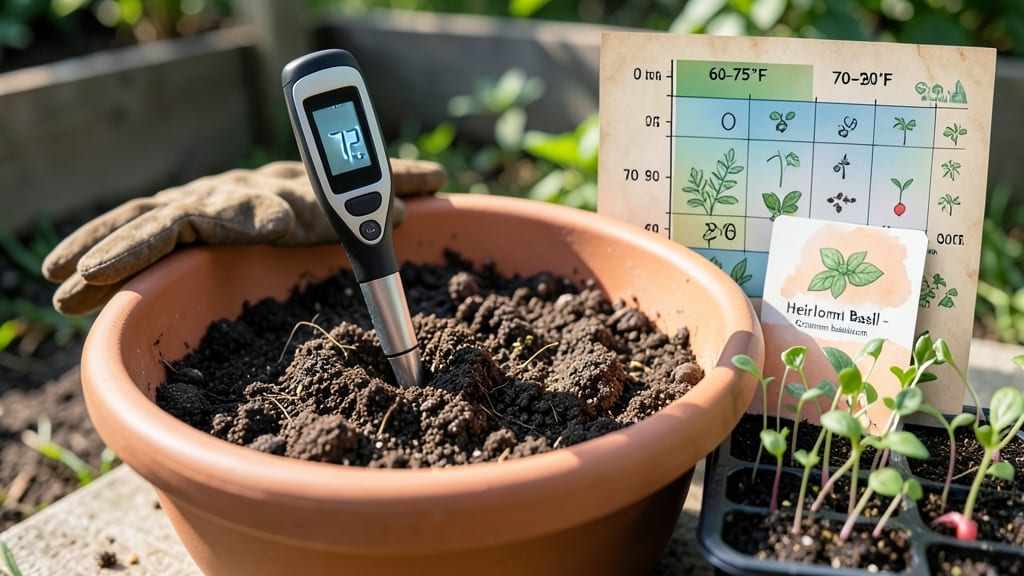
Soil temperature for seed germination determines how fast and successfully seeds sprout, with ideal ranges spanning 50°F to 95°F—cool-season crops like lettuce germinate best at 50-65°F, while warm-season plants such as tomatoes thrive at 70-95°F for quickest results. Always verify seed packet guidelines to prevent germination delays or weak seedlings.
Understanding soil temperature isn't just about hitting a number—it's about unlocking the seed's biological potential. 🌱 When soil is too cold, enzymes that trigger germination slow down, leaving seeds dormant for weeks. Conversely, overheating can shock delicate seedlings.
For example, basil seeds may take 14 days to sprout at 60°F but only 5 days at 75°F. The key is matching your plants' natural climate preferences to create the perfect environment.
Most gardeners overlook how soil composition affects temperature regulation. Sandy soils warm faster but lose heat quickly, while clay holds warmth longer but can become waterlogged. Organic matter improves moisture retention and temperature stability—adding compost before planting can make a noticeable difference in germination speed.
For precise control, consider using seedling heat mats during cool seasons, especially for warm-season crops like peppers that struggle below 70°F.
💡 In This Article
- How Soil Temperature Affects Seed Germination Rates
- Best Soil Warming Methods for Slow-Germinating Seeds
How soil temperature affects seed germination rates
Germination begins when water activates enzymes inside the seed that break down stored nutrients, but temperature determines how quickly this biochemical process unfolds. At 50°F, cool-season crops like lettuce and spinach activate their germination enzymes at a sluggish pace, taking 7-14 days to sprout.
In contrast, warm-season plants like cucumbers and melons require 70°F+ soil to trigger rapid enzyme activity, completing germination in just 3-5 days. This metabolic speed difference stems from how temperature affects enzyme efficiency—each 10°F increase roughly doubles the reaction rate, according to plant physiology studies.
The optimal temperature range isn't just about speed—it also determines seedling vigor. For example, tomato seeds germinated at 85°F produce seedlings 30% stronger than those at 65°F, thanks to faster cell division and root development.
However, exceeding 95°F can denature critical enzymes, causing poor germination even in heat-loving plants like okra. The sweet spot varies by plant family: Brassicaceae (like broccoli) prefer 60-70°F, while Solanaceae (tomatoes, peppers) thrive at 75-85°F. 🌱
Temperature also influences dormancy-breaking mechanisms. Many seeds contain natural inhibitors that require specific warmth to degrade. For instance, apple seeds need 68°F soil to break dormancy, while some wildflowers require alternating warm/cold cycles to germinate successfully.
This explains why some seeds sprout inconsistently—if soil stays too cold for too long, the dormancy-breaking process never completes, leaving seeds viable but inactive for years.
Moisture retention becomes critical when adjusting for temperature. Warmer soil evaporates moisture 3x faster than cooler soil, so seeds planted in 80°F+ conditions need frequent watering to maintain consistent moisture levels.
A common mistake is assuming "warm soil" means "dry soil"—in reality, heat accelerates moisture loss, which can dry out seeds before germination completes. Using mulch or shade cloth can help maintain both temperature and moisture balance during peak growing seasons.
Consider these temperature thresholds for common garden challenges:
- Cold soil (<50°F): Cool-season crops germinate slowly; warm-season seeds may rot before sprouting
- Ideal range (50-85°F): Most plants germinate reliably; enzyme activity peaks
- Overheated (>90°F): Enzyme denaturation occurs; seeds may fail to sprout despite adequate moisture
Professional growers often use soil thermometers to monitor conditions, especially in greenhouses where temperature fluctuations are common. For home gardeners, planting in south-facing beds (which warm faster) or using black plastic mulch can raise soil temperatures by 5-10°F during cool seasons.
The key insight? Temperature isn't just about warmth—it's about creating the precise biochemical environment each seed needs to "wake up" and grow. ⚡