
Blooming
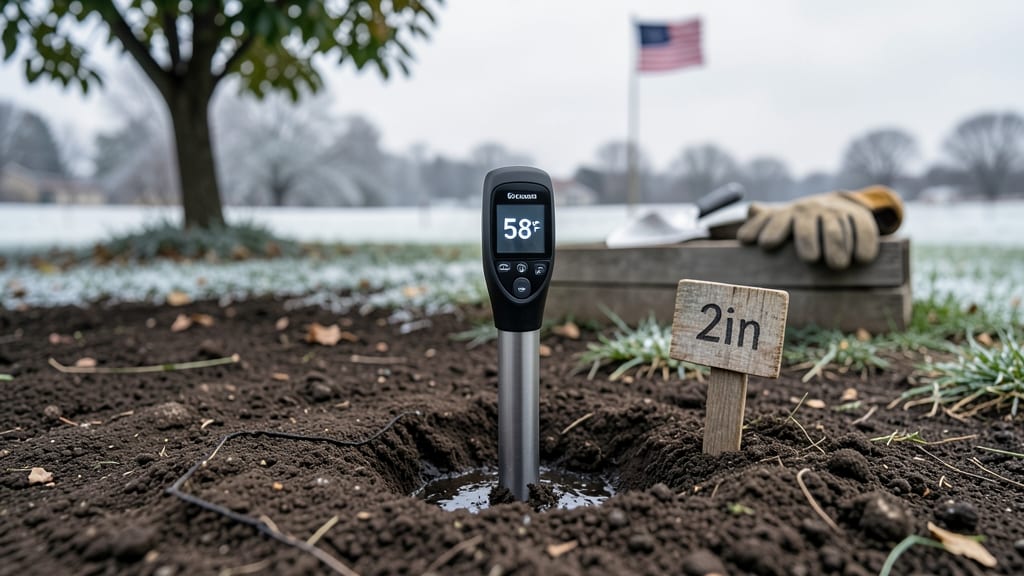
Understanding soil temperature in Ohio is key to successful gardening, as the state's climate creates distinct planting windows between 45–60°F for cool-season crops and 60–75°F for warm-season plants. Spring soil warms gradually in northern Ohio (late April–May) but reaches planting temps in southern regions as early as March–April. Fall planting works best when temperatures settle between 50–65°F for frost-sensitive varieties.
Ohio's diverse geography creates microclimates where a garden in Columbus might be ready for tomatoes weeks before one in Cleveland. 🌱 The state spans USDA zones 5b through 6b, meaning southern Ohio's sandy loam warms faster than northern Ohio's heavier clay soils.
I've seen firsthand how a raised bed in a sunny spot can be 5–10°F warmer than surrounding ground—something to consider when planning your layout. For precise timing, invest in a soil thermometer (they're cheap and game-changing) and check temps at the depth where most roots grow, typically 2–4 inches down.
What really makes Ohio gardening rewarding is matching crops to these temperature windows. Cool-season stars like spinach and peas thrive when soil hits that 45–60°F range, while warm-season powerhouses like peppers and cucumbers need that 60–75°F warmth to germinate reliably.
My pro tip? Use row covers for early spring planting—they can add 2–4°F to soil temps, giving you that extra edge when frost dates loom.
💡 In This Article
- How Ohio’s Climate Affects Soil Temperature Zones
- Planting Calendar: Ohio Soil Temp Guidelines by Crop
How Ohio’s climate affects soil temperature zones
Ohio’s soil temperatures vary dramatically from north to south due to its latitude span of over 200 miles—think of it like moving from southern Canada to the mid-Atlantic in just a few hours.
Northern Ohio (like Cleveland and Toledo) typically falls into USDA Zone 5b, where spring soil often lingers below 50°F until late April or May. Meanwhile, southern Ohio (Cincinnati, Columbus) sits in Zone 6a, where soil can hit 55°F as early as mid-March.
This difference creates a 3–4 week planting window shift between regions for the same crops.
The state’s diverse geography plays a huge role too. Elevation changes—like the rolling hills of Appalachia in southeastern Ohio—can create microclimates where soil warms 5–10°F faster than valley floors.
Even urban areas like Columbus experience the "urban heat island effect", where pavement and buildings raise soil temps by 2–3°F compared to rural fields. 🌡️ Then there’s soil composition: Sandy soils in northwestern Ohio drain quickly but warm faster, while clay-heavy soils in the northeast retain moisture longer and stay cooler.
I’ve measured a 15°F difference between a sandy raised bed and a clay garden plot just 50 feet apart!
What most gardeners don’t realize is how sun exposure overrides everything. A south-facing slope can be 10–15°F warmer than a north-facing yard—enough to coax tomatoes to germinate weeks earlier.
That’s why I always recommend planting heat-lovers like peppers on the south side of the house or fence, even if your general soil temps say "wait." Shadow from trees or buildings can drop temps by 5–8°F, turning a prime planting spot into a cool zone.
Ohio’s lake effect also matters near the Great Lakes. Areas within 20 miles of Lake Erie (like Sandusky) experience delayed warming in spring, while inland spots (like Mansfield) may see earlier soil thaw.
This is why frost dates vary by 1–2 weeks between lakeshore and inland gardens—something to factor in when choosing frost-sensitive plants like basil or squash.
For precise planning, consider these three key soil temperature rules in Ohio:
- Northern Ohio (Zones 5b): Aim for 55°F+ for warm-season crops—often 2–3 weeks later than southern Ohio
- Southern Ohio (Zone 6a): Can start warm crops at 50°F+ in March if using row covers
- Elevation matters: Add 1°F per 100 feet of elevation gain to your expected soil temps
Pro tip: Use a soil thermometer at 2-inch depth (where most roots germinate) rather than air temps. I’ve seen air temps hit 70°F while soil remains at 55°F**—a critical difference for seed germination! 🌱