
How To
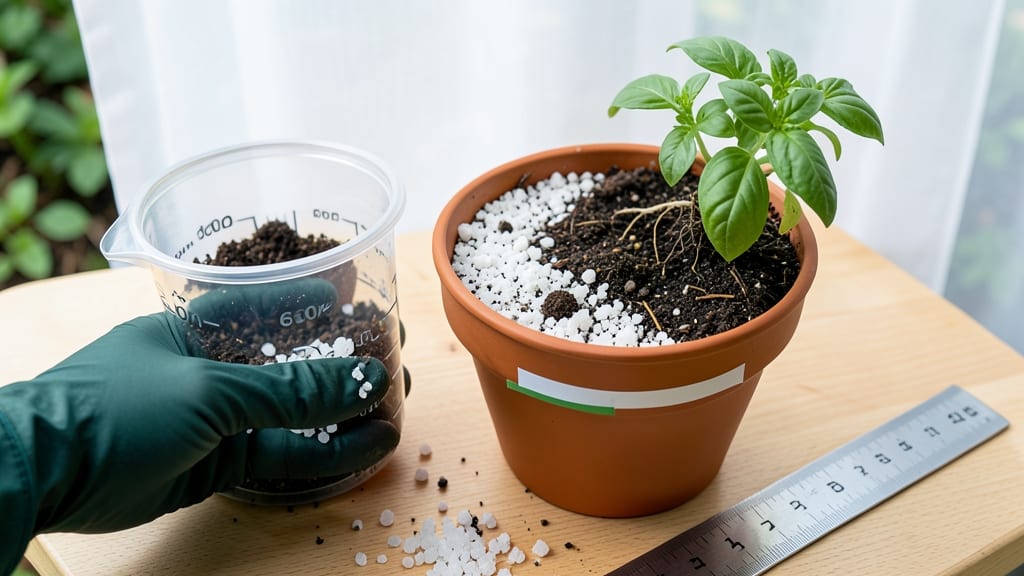
Determining the right soil perlite ratio is key to healthy plant growth: use 5-10% perlite for vegetables and herbs, 20-30% perlite for succulents and cacti, and 10-15% perlite for orchids and moisture-sensitive plants to balance drainage and root health.
The right mix of perlite in your soil isn't just about drainage—it's about creating the perfect environment for roots to breathe and thrive. 🌱 For most plants, that sweet spot of 5-10% perlite prevents compaction while still holding moisture.
Succulents, though, need that extra 20-30% perlite to mimic their arid habitats, while orchids benefit from a gentler 10-15% perlite blend to avoid over-drying. The secret lies in how perlite's porous structure prevents root rot by improving aeration without stealing nutrients from the soil.
What's fascinating is how perlite's particle size affects different soil types. In heavy clay soils, a higher perlite ratio—up to 30%—can transform compacted earth into loose, well-draining medium. Meanwhile, sandy soils might only need 5-10% to prevent moisture from draining too quickly.
The goal is always the same: strike that balance where roots get enough oxygen while still having access to water and nutrients.
💡 In This Article
- How Perlite Improves Soil Structure and Plant Health
- Custom Perlite Mixes for Specific Plants and Growing Conditions
How perlite improves soil structure and plant health
Perlite's magic lies in its microscopic, glass-like bubbles created when volcanic rock is heated to 1,600°F. These bubbles expand the material to 4-20 times its original size, giving perlite its signature lightweight, porous structure.
When mixed into soil, these tiny air pockets create channels that allow roots to access oxygen—a critical factor since roots can suffocate in compacted or waterlogged conditions. Think of it like adding tiny straws to your soil that let roots "breathe" while still holding onto moisture. 🌱
The particle size of perlite matters just as much as the percentage you use. Coarser perlite (3-5mm particles) works best for heavy clay soils, where it breaks up compaction and improves drainage. Finer perlite (1-3mm) blends more evenly into sandy soils, preventing moisture from disappearing too quickly.
This is why a 5-10% perlite mix works for vegetables—it's enough to loosen dense soils without overwhelming the soil's natural structure. The key is creating a balance where water can drain freely but nutrients stay available for roots.
What most gardeners don't realize is how perlite affects the soil's capillary action—the way water moves through tiny spaces between particles. Without perlite, clay soils hold water too tightly, while sandy soils let it drain too fast.
Perlite creates optimal capillary action by maintaining pore spaces that hold just enough moisture for roots to absorb while allowing excess to drain away. This is especially important for container plants, where water can pool at the bottom and suffocate roots.
A 10-15% perlite mix in potting soil can make all the difference for plants like ferns that need consistent moisture but still need airflow.
The science gets even more interesting when you consider perlite's neutral pH (7.0). Unlike some amendments that alter soil chemistry, perlite simply enhances physical properties without adding nutrients or changing acidity levels. This makes it ideal for delicate plants like orchids, where pH balance is crucial.
The 10-15% perlite range for orchids isn't just about drainage—it's about creating an environment where roots can grow aerially while still having access to moisture when needed. 🌿
For container gardening, perlite's lightweight nature reduces the overall weight of potting mixes, which is particularly beneficial for large containers where heavy soil could become cumbersome. The right perlite ratio also helps prevent the dreaded "anaerobic" conditions that occur when soil stays too wet, leading to root rot.
This is why succulents often need 20-30% perlite—their roots are adapted to dry conditions, and perlite mimics that environment while still allowing some moisture retention during watering.
One common misconception is that more perlite always equals better drainage. However, exceeding 30% perlite can create a soil that drains too quickly, washing away nutrients and leaving roots high and dry. The ideal ratio depends on your plant's native environment and growing conditions.
For example, tropical plants might thrive with 5% perlite in a humid climate, while desert plants need that higher 20-30% range to prevent moisture buildup. The goal is always to replicate the plant's natural growing conditions as closely as possible. ✨