
How To
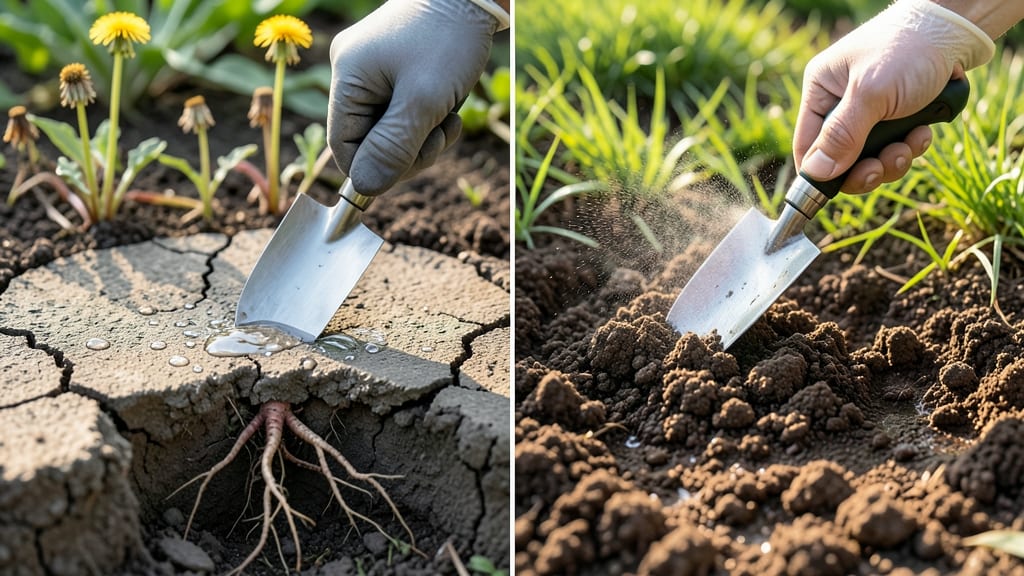
Your plants are struggling because the soil beneath them is like concrete. 🌱 Compacted soil smothers roots, blocks water, and turns your garden into a battleground where even the hardiest plants fight for survival.
I’ve seen firsthand how breaking up hardpan can transform a struggling garden into one where tomatoes thrive, herbs flourish, and flowers bloom like they’re on vacation. The problem starts with foot traffic, heavy machinery, or years of rain compacting the top layer into a dense, impenetrable barrier.
Without air and water reaching the roots, plants wilt, leaves yellow, and growth stalls—even with perfect sunlight and watering. The fix isn’t just digging deeper; it’s rebuilding the soil’s structure so roots can spread and breathe again.
You’ll need basic tools—a fork, a shovel, and some compost—to loosen the soil and restore its crumbly texture. Within weeks, you’ll see roots branching out like never before, and plants that once looked defeated will perk up and grow stronger.
The key is patience: this isn’t a quick fix, but the long-term payoff is worth every shovel stroke. Works for vegetable beds, lawns, and even container gardens where soil gets packed down over time. Let’s get those roots breathing again—your plants will thank you.
The Hidden Forces Squeezing Your Soil
Compacted soil isn’t just a gardening annoyance—it’s the result of relentless pressure from both natural and human-made forces. Understanding these causes is the first step to restoring your soil’s structure and unlocking deeper, healthier root growth. Let’s dig into why your soil might be turning into a dense, lifeless layer.
🚜 The Problem: Bulldozers, tractors, and even heavy foot traffic crush soil particles together, reducing pore space—the tiny air and water channels roots need to thrive. Over time, this creates a hardpan layer, often just 6–12 inches below the surface, where roots can’t penetrate.
🔬 Why It Matters: Soil particles (sand, silt, clay) are pushed closer under pressure, displacing air and water. Clay soils, in particular, become nearly impermeable, trapping water and suffocating roots. Studies show that a single tractor pass can reduce soil porosity by up to 50% in just minutes.
💡 Actionable Insight: If you’re working in a garden bed that’s been farmed or landscaped recently, assume compaction is present. Even lightweight tools like wheelbarrows can contribute—opt for hand tools or wide, low-pressure equipment when possible.
👣 The Problem: Regular walking, especially in wet conditions, compresses soil by displacing air and breaking down soil aggregates (clumps of particles). Livestock grazing or even pets digging can exacerbate the issue, turning once-loose soil into a packed, hard surface.
🔬 Why It Matters: Soil aggregates rely on organic matter and fungal networks (like mycorrhizae) to stay porous. When trampled, these bonds weaken, and the soil loses its ability to absorb water and support microbial life. Compacted paths or play areas can become permanent if left unchecked.
💡 Actionable Insight: Designate high-traffic areas with mulch or gravel paths to redirect foot traffic. If you must walk on garden beds, use boardwalks or step on the same spots repeatedly to minimize localized damage.
💦 The Problem: Heavy rainfall or irrigation without proper drainage forces water into soil pores, pushing particles together. Over time, this creates a dense layer where water pools instead of draining. Even drought conditions can compact soil as it dries and shrinks unevenly.
🔬 Why It Matters: Water has 1,000 times the weight of air—when soil pores fill with water, the pressure forces particles into tighter arrangements. Clay soils are especially vulnerable because their flat, plate-like structure stacks like a house of cards when wet.
This leads to anaerobic conditions (lack of oxygen), where beneficial microbes suffocate and roots rot.
💡 Actionable Insight:
- Install swales (shallow trenches) to slow and spread water, reducing erosion and compaction.
- Avoid overwatering—soil should drain within 6–12 hours after watering.
- Use drip irrigation instead of sprinklers to deliver water directly to roots without surface runoff.
🌱 The Problem: Soil without sufficient organic matter (like compost, leaf litter, or decomposed plant material) loses its natural structure and resilience. Organic matter acts like a glue, binding particles into stable aggregates that resist compaction. When it’s depleted, soil becomes dusty and prone to collapse under pressure.
🔬 Why It Matters: Healthy soil contains 25–30% pore space—half filled with air and half with water. Without organic matter, this balance collapses. Microorganisms and earthworms, which aerate soil naturally, also disappear, leaving it vulnerable to compaction from any external force.
💡 Actionable Insight:
- Amend compacted soil with 2–4 inches of compost before planting.
- Use cover crops (like clover or winter rye) to protect soil from raindrop impact and add organic matter when tilled in.
- Avoid tilling—it accelerates organic matter breakdown and worsens compaction.
🏗️ The Problem: Soils high in clay or fine silt particles are naturally prone to compaction because their flat, plate-like structure packs tightly under pressure. Sandy soils, while less compactable, drain too quickly and lack the cohesion to resist compression from traffic or machinery.
🔬 Why It Matters: Clay soils can shrink and swell with moisture changes, creating shrink-swell cycles that further disrupt soil structure. Sandy soils, meanwhile, lack the sticky organic binders that hold particles apart. Both types become hardpan when disturbed.
💡 Actionable Insight:
Soil Type
Solution
Clay Soil
Add gypsum (calcium sulfate) to improve structure, or mix in coarse sand and compost to break up density.
Sandy Soil
Incorporate peat moss or coconut coir to retain moisture and add organic binders like biochar.
Loamy Soil
Maintain 3–5% organic matter annually to prevent compaction from becoming an issue.
🌱 Key Takeaway: Compaction is rarely the result of a single factor—it’s usually a combination of poor management, heavy pressure, and depleted soil life. The good news? Once you identify the root causes in your garden, you can systematically break up hardpan and restore your soil’s health.
Fixing Compacted Soil Step by Step
Compacted soil can feel like a brick wall for your plants, but don’t worry—there are practical, actionable ways to break it up and restore healthy growth. Below, we’ll match common causes of compaction to the best fixes, plus tips to keep your soil loose and thriving long-term.
If foot traffic, machinery, or rain have turned your soil into hardpan, physical intervention is key.
🔥 Aerate with a Broadfork or Tiller
Best for: Gardens, lawns, or flower beds with moderate compaction.
- How to do it:
- Rent or buy a broadfork (a sturdy, four-tined tool) or a manual tiller.
- Insert the fork 12–18 inches deep into the soil and rock it back and forth to break up layers.
- For tillers, set the blades to shallow (3–4 inches) first to avoid chopping roots, then deepen gradually.
- Pro tip: 💡 Work the soil when it’s moist but not soggy—dry soil cracks, while mud sticks to tools.
🚜 Deep Tilling for Severe Compaction
Best for: Large areas (vegetable gardens, orchards) with deep hardpan.
- How to do it:
- Use a rototiller with deep blades (6–12 inches) to slice through compacted layers.
- Go slow—aggressive tilling can pulverize soil into dust.
Instead, lift and break in sections. - If renting, opt for a walk-behind tiller for better control. - Warning: ⚠️ Avoid tilling when soil is frozen or waterlogged—it worsens compaction.
👨🍳 Manual Digging for Small Spots
Best for: Raised beds, container gardens, or tight spaces.
- How to do it:
- Use a garden fork, spade, or digging bar to pry up soil in chunks.
- Flip the soil upside down to expose fresh, uncompacted layers underneath.
- Mix in compost or organic matter as you go (we’ll cover this next!).
Compacted soil lacks structure and life. Revitalize it with organic amendments that encourage root growth and microbial activity.
🍳 Add Organic Matter (The Easy Fix)
Best for: All soil types—especially clay or sandy soils.
- What to use:
- Compost (homemade or store-bought)
- Aged manure (cow, horse, or chicken—never fresh)
- Leaf mold or peat moss (for moisture retention)
- Wood chips or straw (for bulk and slow decomposition)
- How much?
- Spread 2–4 inches over the surface, then work into the top 6 inches of soil.
- For deep compaction, double-dig: Remove the top layer, amend it, then break up the subsoil before replacing.
🌡️ Use Cover Crops to Loosen Soil Naturally
Best for: Preventing future compaction in lawns or garden beds.
- Best cover crops:
- Clover (breaks up clay, adds nitrogen)
- Ryegrass (deep roots penetrate hardpan)
- Vetch (fixes nitrogen, improves structure)
- How to do it:
- Plant in fall or early spring, let it grow 3–4 months, then mow and chop into the soil.
- Avoid tilling in—just let the roots decay naturally.
✨ Mycorrhizal Fungi for Root Boost
Best for: Established plants struggling with poor root penetration.
- What it does: These fungi form symbiotic relationships with roots, helping them bypass compacted layers.
- How to use:
- Mix mycorrhizal powder or granules into planting holes or top-dress existing beds.
- Water well to activate the fungi.
Once you’ve fixed compaction, maintain loose, airy soil with these habits:
- 🔥 Avoid walking on garden beds—use stepping stones or mulch paths.
- 🌡️ Test soil moisture—water deeply but avoid heavy, frequent watering (which compacts).
- 🎯 Mulch heavily (3–4 inches) with straw, wood chips, or grass clippings to protect soil structure.
- 💪 Rotate heavy equipment—if using tractors or lawnmowers, distribute weight evenly.
- 🔄 Plant deep-rooted crops (like daikon radishes or comfrey) to naturally aerate soil over time.
Quick Recap Table:
| Cause of Compaction | Best Fix | Prevention Tip |
|---|---|---|
| Foot traffic/lawn use | Aerate with broadfork or sand top-dress | Use mulch or stepping stones |
| Heavy machinery | Deep till or double-dig | Rotate equipment paths |
| Clay soil | Compost + gypsum (for clay) | Plant cover crops |
| Waterlogging | Improve drainage + organic matter | Avoid overwatering |
| Lack of organic matter | Add compost/manure | Mulch annually |
Remember: 🌱 Patience is key—soil improvement takes time, but with consistent effort, your plants will reward you with stronger roots, better yields, and lush growth. Start with one method, monitor progress, and adjust as needed!
Frequently asked questions
How can I tell if my soil is compacted?
Press your finger about 2 inches into moist soil. If it feels hard like a brick or leaves a clean indentation that doesn’t spring back, you’ve got compaction. Another test: Dig a small hole—if roots are stunted or soil layers look like stacked pancakes, that’s your clue. Water also pools on the surface instead of soaking in.
Will adding compost fix compacted soil immediately?
Not overnight! Compost improves soil structure over time by adding organic matter that attracts worms and microbes. For fast results, combine it with physical aeration (like a broadfork) to break up hardpan first. Expect noticeable improvement in 4–6 weeks with consistent care.
Can I use a shovel to fix compacted soil?
A shovel works for small areas, but it won’t reach deep compaction. For better results, use a garden fork or broadfork to pry up chunks and expose fresh soil underneath. For large areas, rent a rototiller with deep blades—just avoid tilling when soil is wet or frozen.
How often should I check for soil compaction?
Test your soil seasonally (spring, summer, fall) and after heavy rain or foot traffic. Clay soils compact faster, so monitor them more closely. If you notice plants wilting despite regular watering, check immediately—roots may be suffocating.
What plants are most sensitive to compacted soil?
Deep-rooted plants like tomatoes, carrots, and asparagus struggle the most in compacted soil. Shallow-rooted veggies (lettuce, radishes) may survive but grow poorly. Choose cover crops like clover or deep-rooted perennials (dahlias, peonies) to naturally loosen soil over time.