
How To
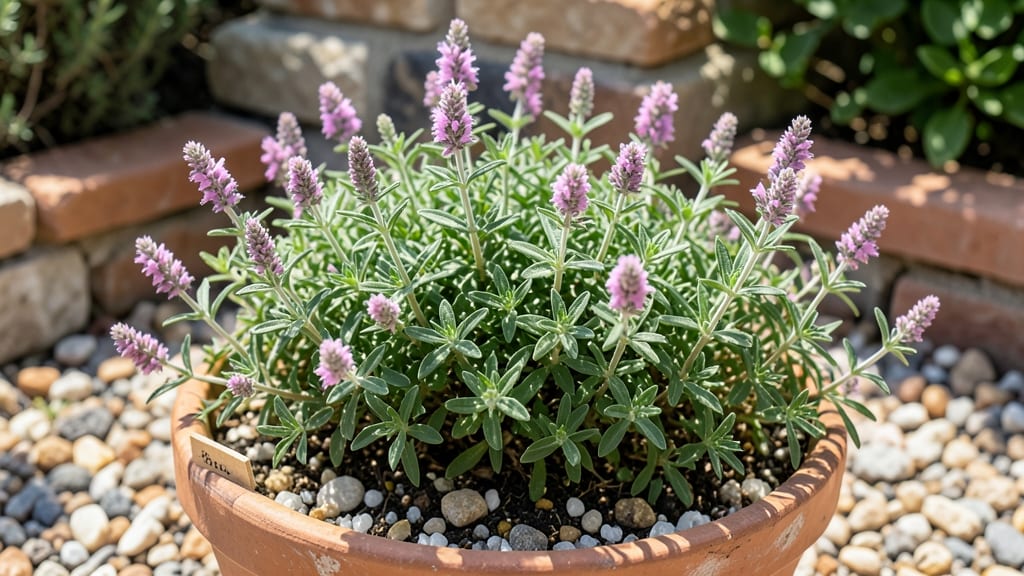
The soil for thyme thrives in lightweight loam that mimics its Mediterranean roots—sandy, well-draining, and packed with aromatic potential. 🌿 I learned the hard way that heavy clay smothers its delicate roots, while the right mix makes it grow so vigorously the scent fills the air. The secret isn't fancy amendments but getting the texture just right: 60% mineral soil, 30% coarse sand, and 10% compost for nutrients without compaction.
Your goal is soil that feels like a dry sponge—light enough to let air circulate but rich enough to hold moisture without drowning roots. Test drainage by filling a container with your mix: if water pools after 30 minutes, add more perlite or coarse sand.
Thyme hates soggy feet, and even a slight improvement here means stronger growth and that signature piney fragrance you crave.
Once your mix is ready, plant thyme in full sun where it can spread its silvery-green mat. In containers, use a blend with 1 part peat moss to retain just enough moisture while keeping roots oxygenated.
The first harvest comes in 6-8 weeks, but the real reward is that intoxicating aroma wafting through your garden every time you brush past it.
Common mistakes? Over-amending with compost (thyme prefers lean soil) or skipping the sand in clay-heavy areas. Stick to the basics, and you'll grow thyme that's so productive you'll never buy it again.
The key is patience—let the roots establish before expecting heavy harvests, and the plant will reward you with years of fragrant, low-maintenance growth.
📚 In This Guide
- What you need
- Instructions
- Tips and common mistakes
- Wrapping up and next steps
What you need
- ● Potting soil (sterile): 40% of the mix (e.g., Miracle-Gro Potting Mix or FoxFarm Ocean Forest)
- ● Perlite or pumice: 20% (for aeration—1 part perlite to 2 parts soil)
- ● Coarse sand (horticultural grade): 20% (improves drainage)
- ● Compost or worm castings: 20% (adds nutrients without heaviness)
- ● Garden gloves (to protect hands from grit)
- ● 5-gallon bucket or wheelbarrow (for mixing)
- ● Hand trowel or shovel (for blending)
- ○ pH test kit (optional but recommended—thyme thrives in 6.0–7.5 pH)
- ● Spray bottle with water (to moisten dry ingredients)
- ● Crushed granite or lava grit (for extra drainage in containers)
- ● Slow-release fertilizer (e.g., Osmoote—5–10% of the mix)
- ● Thyme seeds or seedlings (if not already sourced!)
How to create the perfect soil mix for thyme
Thyme thrives when its roots breathe easily—here's how to mix soil that delivers both fragrance and vigor.
🌱 Step 1: Start With a Base of Loose, Well-Draining Soil
Thyme hates soggy roots, so begin with a lightweight loam or cactus/succulent mix as your base. I like to blend equal parts of this with perlite—about 25% perlite to 75% base soil—to create air pockets that prevent compaction. This mimics the dry, rocky Mediterranean conditions thyme evolved in.
Fill a container or garden bed with 2-3 inches of this mix. Tap it gently to settle, but don’t pack it down—thyme roots need room to spread. If working in garden beds, work the perlite into the top 6 inches of existing soil to improve drainage throughout the root zone.
💧 Step 2: Amend With Organic Matter for Nutrient Balance
Add 10-20% compost or well-rotted leaf mold to the mix—this boosts thyme’s natural earthy aroma while providing slow-release nutrients. I use 1 part compost to 4 parts soil mix to avoid overfeeding, which can lead to leggy growth. Sift the compost to remove large chunks that might mat down and block airflow.
For container growing, mix in a handful of sand (coarse, not fine) to further improve drainage. You’ll know the texture is right when the mix feels like a damp sponge—it should hold moisture briefly but drain freely when pressed. Thyme’s delicate roots can’t handle waterlogged conditions, so this step is critical.
✂️ Step 3: Adjust pH for Optimal Flavor and Growth
Thyme prefers slightly alkaline soil with a pH between 6.5 and 7.5. Test your mix with a simple soil pH kit—if it’s too acidic, sprinkle in crushed limestone or wood ash (about ½ cup per gallon of mix) and stir gently. For containers, mix amendments directly into the soil before planting.
If your soil is already in the right range, skip this step—over-amending can disrupt the balance. You’ll notice the difference in flavor: properly pH’d thyme develops that signature bold, piney aroma that’s milder in acidic soil. A quick sniff of the mix after adjustments confirms you’re on the right track.
☀️ Step 4: Maintain the Soil’s Lightweight Structure
Once thyme is planted, never let the soil stay soggy—water only when the top inch feels dry. Mulch with ¼ inch of gravel or coarse sand around plants to prevent moisture from pooling at the base. This mimics thyme’s natural habitat and keeps roots aerated.
Every 2-3 months, top-dress with a thin layer of compost to replenish nutrients without smothering the plant. You’ll see the best results when the soil stays crumbly and friable—almost like a dry cake mix. Avoid heavy fertilizers; thyme’s small leaves can’t handle excess nitrogen, which dilutes its signature flavor.
Tips & tricks for perfect thyme soil mix
The secret to growing thyme that bursts with flavor lies in the soil—here's how to get it right every time.
Texture is Everything: When mixing your 25% perlite to 75% base soil ratio in Step 1, think of it like baking a cake—you want a light, airy crumb, not a dense brick. After adding perlite, run your fingers through the mix; it should feel almost like dry sandpaper, with visible air pockets. If it feels heavy or clumps together, add a little more perlite until it reaches that perfect crumbly texture. This prevents that dreaded "soggy roots" scenario thyme hates.
Compost Quality Check: In Step 2, don't just grab any compost—look for dark, crumbly material that smells earthy, not sour or ammonia-like. I've ruined batches using fresh manure or overly wet compost that turned my mix into a paste. For containers, use 1 part compost to 4 parts mix, but sift it first to remove any large chunks that could create air pockets around delicate roots. You'll notice the difference in flavor within weeks.
pH Testing Shortcut: Testing soil pH can feel intimidating, but here's my trick: After mixing your amendments in Step 3, wet a small amount of soil and rub it between your fingers. If it feels gritty and leaves no residue, it's likely in the right range. For a more precise test, use a simple pH kit—just remember, thyme thrives between 6.5 and 7.5. I keep a kit on hand specifically for my herb garden because that slight alkalinity makes all the difference in flavor intensity.
Container Drainage Hack: For container growing, add a ½-inch layer of small gravel at the bottom before your soil mix—this creates a drainage layer that prevents water from pooling at the roots. I also poke a few drainage holes in the bottom of my pots if they don't have them, because thyme will forgive you for many things but never for soggy feet. This simple step has saved my thyme plants from root rot more times than I can count.
Pro Tips for Soil For Thyme
- The secret to growing thyme that bursts with flavor lies in the soil—here's how to get it right every time.
- Texture is Everything: When mixing your 25% perlite to 75% base soil ratio in Step 1, think of it like baking a cake—...
- Compost Quality Check: In Step 2, don't just grab any compost—look for dark, crumbly material that smells earthy, not...
Frequently asked questions
Got questions about the perfect soil for thyme?
You’re not alone! Whether you’re troubleshooting growth issues or curious about alternatives, here are answers to the most common queries to help your thyme thrive.
What’s the ideal pH for thyme soil?
Thyme prefers a slightly alkaline to neutral pH range of 6.0 to 7.5. Test your soil with a pH kit—if it’s too acidic (below 6.0), amend with crushed limestone or wood ash. Overly alkaline soil (above 8.0) can be adjusted with sulfur or peat moss. Pro tip: Thyme is forgiving, but optimal pH ensures vibrant flavor and growth!
How long does it take for thyme to establish in new soil?
With the right lightweight loam mix, thyme typically establishes in 4–6 weeks. You’ll see new growth within 2–3 weeks, but full root development (and peak aroma!) takes a bit longer. Be patient—consistent watering (but not soggy soil) speeds up the process. Troubleshoot: Yellowing leaves? It might need better drainage!
Can I grow thyme in containers with this soil mix?
Containers work great for thyme, especially with a well-draining loam blend. Use pots with drainage holes (at least 6 inches deep) and mix in 20–30% perlite or sand to prevent compaction. Bonus: Container thyme stays compact, making it perfect for herbs on balconies or windowsills!
What can I substitute if I don’t have lightweight loam?
No loam? No problem! Mix 60% garden soil with 20% coarse sand or perlite and 20% compost for a DIY alternative. Avoid heavy clay—it suffocates thyme roots. Quick fix: Add a handful of orchid bark to improve aeration.
Why is my thyme turning brown or crispy?
Brown, crispy thyme usually signals overwatering or poor drainage. Let soil dry slightly between waterings—thyme hates soggy roots! Check for pests (like spider mites) or fungus if spots appear. Trim affected stems and adjust watering. Prevent it: Mulch lightly to retain moisture without drowning roots!
Wrapping up and next steps
Creating the perfect lightweight loam soil for thyme is all about balance—loose texture, nutrient-rich ingredients, and just the right drainage. With the right mix, your thyme will thrive, bursting with aromatic flavor and vibrant growth. Don’t let perfection hold you back: start small, experiment, and enjoy the process!
🌱 Next steps:
- Test your soil mix in a small pot first.
- Observe how your thyme responds and adjust as needed.
- Share your green thumb success with fellow gardeners!