
How To
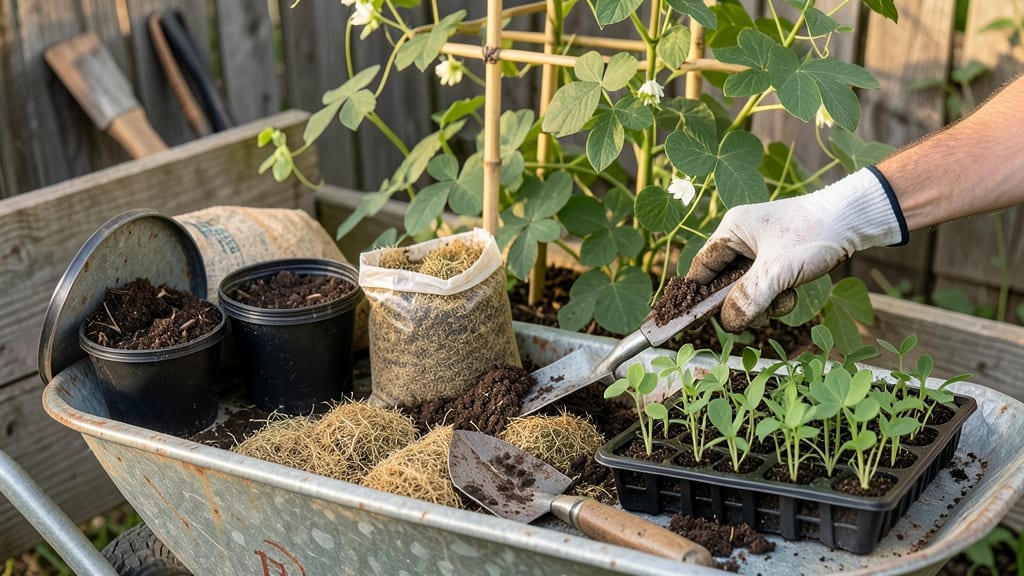
Mixing potting soil with peat moss creates the perfect balance for plants that need both moisture and air—my ferns now grow lush and green year-round thanks to this simple tweak. 🌿 The trick lies in the ratio: too much peat dries out roots, while too little soil suffocates them.
I learned this after my last batch of seedlings wilted faster than I could water them.
Start with a 3:1 ratio of potting soil to peat moss for most plants—this keeps moisture without compacting roots. For seedlings or moisture-loving plants like impatiens, bump it to 2:1.
The peat holds water like a sponge, while the soil provides structure for roots to breathe. Mix them in a wheelbarrow or large container until evenly distributed.
Your plants will reward you with vibrant growth and fewer wilting episodes. The soil stays moist longer between waterings, and roots get the oxygen they crave. This mix works especially well for container plants, seed-starting trays, and anything that struggles in heavy garden soil.
Just watch out for over-peat-ing—it can make soil too acidic for some plants. If you're concerned about sustainability, consider coconut coir as an alternative. Either way, your plants will thank you with stronger stems and healthier foliage.
📚 In This Guide
- What you need
- Instructions
- Tips and common mistakes
- Wrapping up and next steps
What you need
- ● Potting soil: 70–80% of your mix (e.g., 10–12 gallons for a standard 5-gallon container). Choose a high-quality, sterile blend (look for labels like "moisture control" or "organic potting mix").
- ● Peat moss: 20–30% of your mix (e.g., 2–3 gallons for the same container). Opt for sphagnum peat moss—it retains moisture and improves aeration.
- ● Large mixing container: A wheelbarrow, plastic tub, or clean 5-gallon bucket (sterilized with a 10% bleach solution if reused).
- ● Garden gloves: To keep hands clean and protect from sharp edges.
- ● Garden trowel or shovel: For scooping and blending.
- ○ Measuring tools (optional but helpful): Ruler or tape measure for precise ratios.
- ● Bucket with marked measurements (e.g., 1-gallon increments).
- ● Watering can or hose: For dampening the mix (if needed).
- ● Perlite or vermiculite: 5–10% by volume for extra aeration (e.g., ½–1 gallon per 5-gallon mix).
- ● Compost or worm castings: 5–10% for added nutrients (e.g., ½ cup per gallon).
- ● Sand (coarse): 5–10% to improve drainage (avoid fine sand—it compacts!).
- ● Slow-release fertilizer: Mix in per package instructions (e.g., 1–2 tbsp per gallon).
Step-by-Step instructions for mixing potting soil and peat moss
Here's how to blend these two essentials for a perfect growing medium.
🪴 Step 1: Measure Your Base Materials Precisely
Start by gathering your potting soil and peat moss—I like using a 1:1 ratio for most container plants, but adjust based on your plant's needs. For example, moisture-loving ferns thrive with 50% peat moss, while succulents need only 10-20%. Use a clean bucket or wheelbarrow to mix, and spread the potting soil evenly across the bottom.
Peat moss is lightweight and fibrous, so it won’t compact like garden soil. If you’re working with 4 cubic feet of potting mix, use 2 cubic feet of peat moss for a balanced blend. Fluff the peat moss with your hands or a fork to loosen it before adding—this prevents clumping later. Real talk: Skipping this step means uneven moisture distribution, which can lead to root rot or drought stress.
🌱 Step 2: Combine and Aerate the Mix Thoroughly
Gradually fold the peat moss into the potting soil using a garden fork or your hands. Work in small sections to ensure even distribution—think of it like folding in flour to cookie dough. You’ll notice the mix lightens as peat moss incorporates, which is a good sign. Press down lightly to settle the material, then fluff it again to reintroduce air pockets.
This isn’t just about mixing; it’s about creating a structure. Peat moss holds moisture but also drains well, while potting soil provides nutrients and structure. The goal is a mix that looks like a cross between damp sponge cake and crumbly soil. If it feels too dense, add a handful of perlite or vermiculite (if allowed by your recipe) to improve aeration further.
💧 Step 3: Moisten the Blend for Optimal Planting Conditions
Before using your mix, moisten it until it reaches the consistency of a wrung-out sponge. Squeeze a handful—water should drip out slightly, but the mix shouldn’t be soggy. Overwatering now defeats the purpose of adding peat moss, which is designed to retain moisture without suffocating roots. I use a hose with a gentle spray nozzle to avoid compacting the mix while wetting it evenly.
Let the mix sit for 10-15 minutes to allow the peat moss to absorb and redistribute moisture. This step is crucial for seed starting or transplanting, as it ensures roots encounter evenly moist conditions from the first contact. If you’re mixing a large batch, cover it with a tarp to keep it from drying out while you work.
☀️ Step 4: Test and Adjust for Your Plant’s Needs
Fill a small container with your mixed soil and plant a test seedling or cutting. Observe how it behaves over 3-5 days: Does the soil stay damp but not waterlogged? Are the roots spreading freely? If the mix stays too wet, add more potting soil or perlite to improve drainage. If it dries out too quickly, increase the peat moss percentage slightly.
Here’s the thing—peat moss breaks down over time, losing its moisture-holding capacity. After 6-12 months, refresh your mix by adding 10-20% new peat moss to maintain the balance. This is especially important for acid-loving plants like blueberries or azaleas, which rely on the peat’s natural acidity and moisture retention.
Tips & tricks for perfect soil blends
Here's what I've learned after mixing hundreds of batches—these details make all the difference between good soil and great soil.
Ratio Precision: The 1:1 ratio in Step 1 is your baseline, but don't treat it as absolute. For plants like orchids that need exceptional aeration, try a 3:1 potting soil to peat moss ratio. The key is observing your plant's needs—if leaves yellow between waterings, you likely need more peat moss for moisture retention. For succulents, that 10-20% peat moss is non-negotiable, or you'll smother their roots. I keep a small notebook to track what works for each plant type.
Texture Test: In Step 2, when you're combining the materials, pay attention to the final texture—it should crumble easily when dry but still hold moisture when damp. If your mix feels like wet sandpaper, you've overworked it. The fluffing step isn't just about aeration; it's about creating those microscopic air pockets that roots need to breathe. Think of it like making a perfect soufflé—gentle hands and patience prevent collapse. If you're adding perlite or vermiculite, sprinkle it in thin layers as you mix to distribute evenly.
Moisture Timing: That 10-15 minute resting period in Step 3 isn't arbitrary—it's when the peat moss does its magic. During this time, the fibrous structure absorbs water and redistributes it evenly. I've seen gardeners rush this step and end up with clumps that repel water. For large batches, consider using a spray bottle instead of a hose to avoid compacting the mix. The goal is uniform moisture without creating puddles. Pro tip: If you're mixing during hot weather, cover your batch with a damp towel to prevent premature drying.
Long-Term Strategy: The 6-12 month refresh rate for peat moss is crucial because it breaks down faster than potting soil. I mark my calendar with reminders to refresh mixes for acid-loving plants. For container gardens, consider keeping a "peat moss reserve" on hand to maintain consistent moisture retention. And here's something nobody tells you—peat moss loses its acidity over time, so if your blueberries start looking stressed after a year, it might be time to refresh regardless of texture.
Pro Tips for Mixing Potting Soil And Peat Moss
- Here's what I've learned after mixing hundreds of batches—these details make all the difference between good soil and great soil.
- Ratio Precision: The 1:1 ratio in Step 1 is your baseline, but don't treat it as absolute.
- Texture Test: In Step 2, when you're combining the materials, pay attention to the final texture—it should crumble easily when dry but still hold moisture when damp.
Frequently asked questions
Got questions about mixing potting soil and peat moss?
You’re not alone! Here are answers to the most common queries to help you get it right every time.
Why should I mix potting soil with peat moss instead of using them separately?
Peat moss retains moisture and compacts over time, while potting soil provides structure but can dry out too quickly. Mixing them (like a 50/50 ratio) balances drainage, aeration, and moisture retention—keeping roots happy and preventing soggy or bone-dry soil. Think of it as the ultimate plant-friendly compromise!
How long does the peat moss-potting soil mix last before it breaks down?
The mix stays effective for 1–2 years if stored properly (dry, in a sealed container). Peat moss decomposes slowly, but potting soil may lose nutrients faster. Refresh the mix annually for container plants or every 2–3 years for garden beds. Pro tip: Add compost or worm castings to extend its life!
Are there eco-friendly alternatives to peat moss for this mix?
Swap peat moss for coco coir (sustainable and moisture-retentive), compost, or sphagnum moss (great for acid-loving plants). Just adjust ratios—coco coir drains faster, so mix it 60% potting soil to 40% coir for similar results. Always test your mix’s moisture retention first!
What do I do if my mix smells bad or molds after mixing?
Bad smells or mold mean the mix is too wet or decomposing too fast. Fluff it up, let it dry for a day, and re-mix with perlite or sand (10–20%) to improve aeration. If mold persists, discard the batch—fungal spores can harm plants. Prevent it: Store mixes in a cool, dry place!
Can I reuse old potting soil mixed with peat moss?
Reusing old mixes isn’t recommended unless it’s been sterilized (baked at 200°F for 30 mins) to kill pests/diseases. Peat moss breaks down over time, and old soil may lack nutrients. For a quick fix, top-dress with compost or repot with fresh mix. Better safe than sorry!
What’s the best ratio for mixing potting soil and peat moss for different plants?
| Plant Type | Recommended Mix Ratio | Why? |
|---|---|---|
| Succulents/Cacti | 70% potting soil : 30% peat moss (or less) | Needs less moisture—peat can cause rot. |
| Houseplants (e.g., ferns, calatheas) | 50/50 mix | Balances moisture for moderate waterers. |
| Outdoor perennials/veggies | 60% potting soil : 40% peat moss | Extra nutrients + structure for root growth. |
Wrapping up and next steps
Mixing potting soil with peat moss is a game-changer for plant health—it’s all about finding that perfect balance of moisture retention and aeration. 🌱 Whether you’re nurturing delicate seedlings or hardy houseplants, this simple blend ensures roots stay happy without the guesswork.
Now that you’re equipped with the know-how, why not give it a try in your next gardening project?
Ready to elevate your green thumb game? Start with a small batch, experiment with ratios, and watch your plants thrive like never before!