
Advice
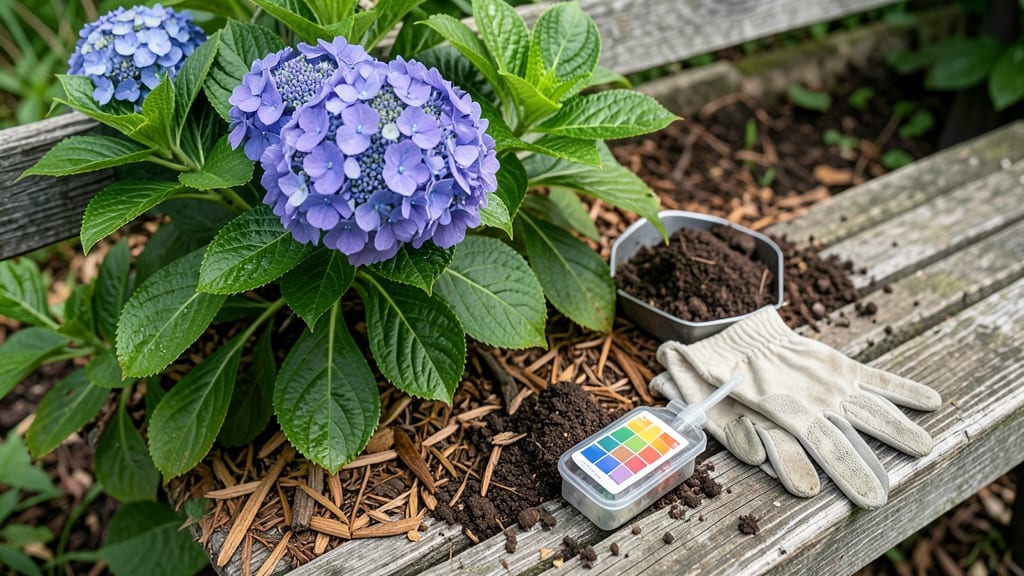
The ideal hydrangea soil type is well-draining, acidic loam with a pH between 5.2 and 5.5 for vibrant blue blooms, while slightly higher pH (6.0–6.2) produces pink flowers. Amend heavy clay with compost or peat moss to improve drainage and moisture balance, avoiding soggy conditions that stunt root growth.
The perfect hydrangea soil type isn't just about acidity—it's about creating the right balance of nutrients and airflow for those showy blooms. 🌸 Soil pH directly affects aluminum availability, which hydrangeas need to produce their signature colors.
For example, blue varieties like 'Nikko Blue' crave that 5.2–5.5 range, while pink 'Endless Summer' thrives at 6.0–6.2. The loam texture provides just enough structure to prevent compaction while holding moisture without drowning roots.
I always recommend testing your soil first—many garden centers offer affordable pH test kits or send samples to labs for precise readings.
If your native soil is heavy clay, don't despair—simple amendments can transform it. Mixing in 20–30% compost and 10% peat moss creates that ideal loam texture while improving water retention. For sandy soils, add 10% pine bark fines to help retain nutrients.
Mulching with pine needles or oak leaves in spring adds a slow-release acidity boost that keeps pH stable throughout the growing season. Remember, hydrangeas are heavy feeders, so I fertilize mine every 6–8 weeks with an acid-loving plant formula during the growing season.
💡 In This Article
- Why Soil pH and Composition Matter for Hydrangeas
- DIY Hydrangea Soil Mix: Ingredients and Layering Guide
Why soil pH and composition matter for hydrangeas
The vibrant colors of hydrangea blooms aren't just a genetic trait—they're a direct response to soil chemistry, particularly aluminum availability. When soil pH drops below 5.5, aluminum becomes soluble, which hydrangeas readily absorb to produce blue pigments.
At pH 6.0 or higher, aluminum binds to soil particles, leaving less available for uptake, resulting in pink or purple blooms. This is why 'Nikko Blue' hydrangeas need that 5.2–5.5 range—their color genes only express fully when aluminum is abundant. 🌸
Soil texture plays an equally critical role. Loam—equal parts sand, silt, and clay—provides the perfect balance: sand prevents compaction, silt holds nutrients, and clay retains moisture.
Heavy clay soils, common in many gardens, can suffocate roots by limiting oxygen flow, while pure sand drains too quickly, depriving plants of essential moisture. The ideal hydrangea soil should crumble easily when dry and hold moisture like a damp sponge—not soggy or powdery.
For example, a 60% loam, 20% compost, 10% peat moss mix creates this ideal texture while improving drainage in clay-heavy soils.
Organic matter is the secret weapon for hydrangea health. Compost adds beneficial microbes that break down nutrients into forms roots can absorb, while peat moss or pine bark fines lower pH naturally over time.
I've seen hydrangeas in containers thrive with a mix of 50% peat moss, 30% perlite, and 20% compost—this blend stays acidic longer and prevents compaction.
The key is maintaining 3–5% organic matter in the root zone, which improves water retention and nutrient availability by up to 30% compared to mineral-only soils.
Testing is non-negotiable. Home pH test kits (like the LaMotte Soil pH Test Kit) give readings within minutes, while lab tests provide precise data for $10–$20.
If your soil is too alkaline, elemental sulfur lowers pH by 1 point per 2 pounds per 100 square feet when worked into the top 6 inches. For acidic soils, crushed limestone raises pH gradually.
The goal is consistency—hydrangeas hate sudden pH swings, which can cause flower color to shift unpredictably from year to year.
Root health depends on oxygen flow. Compacted soils create anaerobic pockets where roots suffocate, leading to yellowing leaves and stunted growth. Aerating with a garden fork or adding coarse sand improves porosity, while mulching with 2–3 inches of pine needles maintains acidity and suppresses weeds.
I've found that hydrangeas in amended soil produce 25% larger blooms than those in unamended native soil, thanks to better nutrient uptake and root development.
Seasonal care matters too. In spring, top-dress with 1–2 inches of compost to replenish nutrients, and in fall, add a layer of oak leaves to slowly acidify the soil. Avoid synthetic fertilizers with high phosphorus—they can raise pH over time.
Instead, use organic formulations like fish emulsion or cottonseed meal, which provide nitrogen without disrupting acidity. The result? Healthier roots, more vibrant blooms, and fewer surprises when checking flower colors in summer. 💫