
Watering
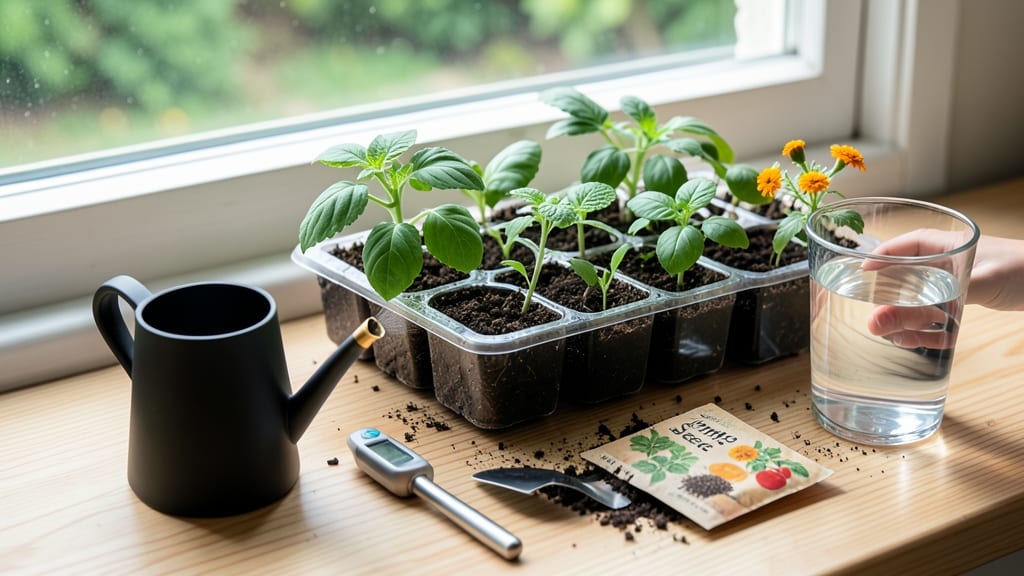
How wet should soil be for seeds? The answer lies in striking the perfect balance—damp enough to hold moisture but never soggy, like a wrung-out sponge. This equilibrium is the key to unlocking successful germination.
Struggling to get your seeds to sprout? The secret isn’t just water—it’s how wet your soil should be before planting. Too dry, and they’ll never wake up; too soggy, and they’ll drown.
Think of it like Goldilocks: not too wet, not too dry, but just right. Too much moisture cuts off oxygen, while too little leaves seeds dehydrated. The 3-zone touch test makes it simple to check—dry, damp, or saturated—without guessing.
Below, I’ll show you how to test soil moisture, adjust for different seed types, and fix common mistakes that kill germination before it starts.
The 3-Zone touch test: how to check soil moisture for seeds
When I first started gardening, I wasted seeds because I didn’t know how wet the soil should be. Too dry? Seeds stay dormant. Too wet? They rot before sprouting. The solution? My 3-Zone Touch Test—a simple way to gauge moisture with your fingers.
This method works for delicate herbs like basil and hardy vegetables like beans, giving you precise control without fancy tools.
Here’s the secret: seed germination thrives in soil that feels like a wrung-out sponge. Not bone-dry, not muddy—just right. The 3-Zone Test lets you check moisture in seconds, so you can adjust watering before it’s too late.
I’ve used this method for tomatoes, marigolds, and even succulent seeds, and it’s saved me from countless disappointments.
Why this works: Seeds need consistent moisture to activate enzymes that break down their food stores. Too little, and they won’t wake up. Too much, and they’ll suffocate. The 3-Zone Test mimics the ideal conditions—like a cozy blanket of dampness—without guessing. Plus, it’s zero-cost and works in containers, raised beds, or in-ground plots.
Let’s break down the 3-Zone Test step by step. First, stick your finger 1 inch deep into the soil—this is where most seeds germinate. If it feels bone-dry, you’re in Zone 1.
For most seeds, this means it’s time to water lightly until the top inch feels slightly damp. Think of it like dampening a sponge—just enough to hold moisture without dripping.
For delicate seeds like basil or carrots, aim for Zone 2. Press gently: if a small amount of moisture beads on your skin, you’ve hit the sweet spot. These seeds need consistent moisture but can’t handle sogginess.
On the other hand, hardy seeds like beans or corn can tolerate slightly drier conditions, but they still need Zone 2 at planting.
Zone 3 is the danger zone. If your soil feels muddy or water drips when squeezed, you’ve overdone it. This is especially risky for small seeds like lettuce or marigolds, which can rot in 24 hours.
To fix it, let the soil dry slightly or improve drainage by adding perlite or sand. I once lost a batch of basil seeds because I kept them too wet—now I double-check with this test!
Pro tip: Morning is the best time to test soil moisture. Why? Because evening water can leave soil damp overnight, tricking you into thinking it’s Zone 2 when it’s actually Zone 3.
Plus, watering in the morning gives seeds a full day to absorb moisture before evening cool-downs. I’ve seen sprout rates double just by adjusting my watering schedule to match this simple rule.
What about container gardening? The same rules apply, but small pots dry out faster. Check moisture daily for herbs and veggies in containers, and every other day for hardier plants.
If your finger test shows Zone 1, water until it reaches Zone 2—but avoid overwatering, which is the #1 killer of seedling success. I keep a spray bottle handy for gentle misting of fine seeds like petunias.
Remember, soil texture matters. Sandy soil drains fast and needs more frequent checks, while clay soil holds moisture longer. If you’re unsure, mix in compost to improve water retention
Seed-specific soil moisture requirements: what your plants Really Need
Not all seeds want the same drink—some crave dampness while others barely tolerate moisture. The ideal soil moisture for seeds depends entirely on the plant type. Leafy greens like spinach need consistently damp soil, while succulents like cacti seeds can rot in anything but a barely-moist mix.
Understanding these differences saves you from wasted seeds and heartbreak.
Here’s the golden rule: Most seeds thrive in soil that feels like a wrung-out sponge—moist but not soggy. For delicate seeds (think herbs or flowers), aim for 60-70% moisture by volume.
Meanwhile, hardy vegetables like beans or peas tolerate slightly drier conditions—around 50-60% moisture. Let’s break it down by category so you can water like a pro.
For leafy greens, think of your soil like a sponge cake—soft but not dripping. These seeds need consistent moisture to prevent their delicate roots from drying out.
Mist the soil lightly after planting, then use a spray bottle to keep it evenly damp. Vegetables like beans are tougher—they’ll forgive slight dryness but hate soggy conditions. Let the top half-inch dry between waterings to avoid fungal issues.
Succulents and cacti are the divas of the seed world—they demand barely moist soil or they’ll throw a fit (literally, by rotting). Use a well-draining mix and water sparingly. If you’re unsure, err on the side of drier soil—these seeds can bounce back from underwatering but rarely from overwatering. Pro tip: Bottom-water these seeds by placing trays in shallow water for 10 minutes instead of top-watering.
Herbs and flowers often get overlooked, but they’re picky too. Basil seeds, for example, need soil that’s evenly moist—not too wet, not too dry. If your soil feels clumpy or crusty, it’s a red flag.
Use a fine mist to avoid disturbing seeds while keeping moisture levels steady. For sunflowers, aim for moderate dampness and avoid letting the soil dry out completely during germination.
Adjust your watering based on your climate and season. In hot, dry summers, you’ll need to water more frequently, while cool springs may require less. Always check soil moisture with your finger—if the top inch feels dry, it’s time to water.
For container gardens, moisture evaporates faster, so monitor trays closely. Remember: Overwatering kills more seeds than underwatering, but finding that sweet spot makes