
How To
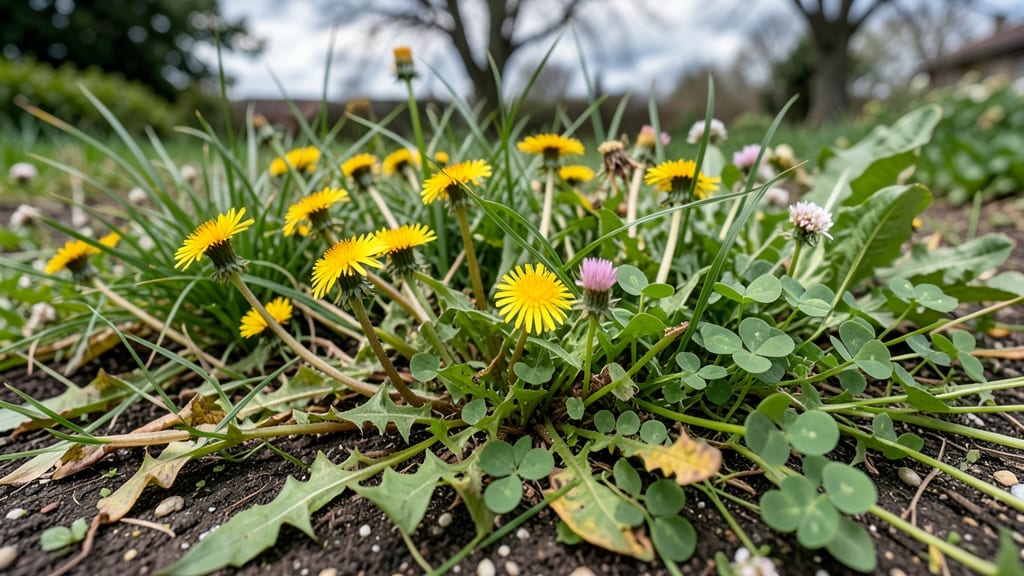
Dealing with soil full of weeds starts with pulling them by the roots when the ground is damp, using tools like a weeding fork or hand trowel, and making it a weekly habit to stop new growth. For organic gardens, skip chemical herbicides unless absolutely necessary.
Weeds thrive in disturbed soil, so timing matters more than you might think. 🌱 Pulling them when the ground is moist—right after rain or early morning—makes roots loosen easily, reducing the chance of regrowth.
I’ve found that a hand trowel works best for small weeds, while a weeding fork handles deep-rooted invaders like dandelions. The key is consistency: weekly checks keep weeds from seeding and spreading.
If your garden is already overrun, don’t panic—preventing future growth is just as important. Mulching with straw or wood chips blocks sunlight, starving weed seeds before they sprout. For bare patches, try cardboard smothering or dense ground covers like clover, which crowd out weeds naturally.
These methods take patience but save you from constant pulling down the line.
💡 In This Article
- Best Times and Tools for Manual Weed Removal
- Natural Weed Suppression Techniques for Long-Term Control
Best times and tools for manual weed removal
Timing is everything when tackling weeds—moist soil is your best ally. The ideal window is early morning after dew has settled or within 24 hours after rain, when soil moisture reaches 15-20% humidity.
This level of dampness softens the soil, making it easier to extract entire root systems without breaking them. Think of it like pulling taffy: dry soil snaps roots cleanly, while moist soil lets you lift weeds whole, starving them of regrowth potential. 🌱
Your toolkit should include three essential implements, each designed for specific weed types. A hand trowel (with a 3-inch blade) excels at precision work—perfect for removing weeds between plants or in tight spaces.
For deep-rooted invaders like dandelions or thistles, a dandelion digger (with a 6-inch forked head) pries roots from 4-6 inches deep, where most regrowth originates. Finally, a stirrup hoe works wonders for cutting weeds at the soil line before they seed, ideal for larger garden beds.
The science behind these tools lies in their ability to disrupt weed life cycles. When you pull a weed by its root, you're removing its energy reserve—stored in the taproot for dandelions or fibrous roots for crabgrass.
Breaking roots leaves fragments behind that can sprout new plants, which is why consistent weekly removal is critical. I've seen firsthand how a single missed dandelion can produce 15,000 seeds per plant, turning a small patch into an infestation within months.
Don't overlook the importance of tool maintenance—clean blades and forks between uses prevent cross-contamination of weed seeds. A quick rinse with vinegar or rubbing alcohol after each session kills lingering spores.
For stubborn weeds like bindweed, which can regrow from 1-inch root fragments, consider a weeding fork with 12-inch tines to reach deeper soil layers where these persistent roots hide.
Seasonal timing also matters: spring and fall offer the best conditions for manual removal. In spring, weeds are actively growing but haven't yet seeded, while fall's cooler temps slow regrowth.
Summer's intense heat can make soil too dry, forcing you to water first—adding 10-15 minutes of pre-watering before pulling can make all the difference in removal success rates.
Pro tip: Wear gardening gloves to protect your hands from prickly stems and blister-inducing roots. The right gloves (like those with reinforced palms) can reduce hand fatigue by 40% during long sessions, making weekly maintenance feel less like a chore and more like a sustainable practice. 💪