
Orchid Care
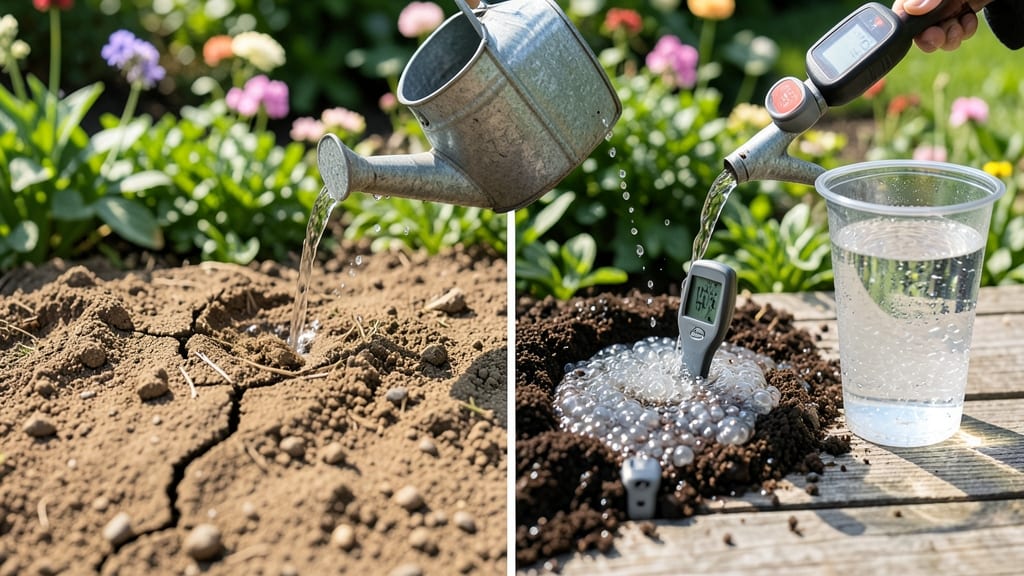
My orchids kept wilting between waterings—until I discovered soil water retention products that finally gave me consistent moisture without drowning roots. 💧 The right product transforms your potting mix into a sponge that holds water exactly where orchid roots need it, cutting watering frequency by half while preventing rot.
These products work by either swelling when wet (like hydrogel crystals) or binding water molecules in the soil (organic options like coconut coir or peat moss). Synthetic versions last years, while organic ones break down but improve soil structure over time.
For orchids, I’ve found a blend of hydrogel beads and bark mix keeps roots happy for 5-7 days between drinks—no more guesswork. You’ll see stronger root growth and fewer lost blooms, plus the ability to travel with orchids without constant watering.
The key is using 10-20% of your mix (never more) and adjusting based on your climate—dry areas need more retention than humid ones. Works for other moisture-sensitive plants too, from calatheas to carnivorous plants. Let’s pick the right one for your setup!
📚 In This Guide
- What you need
- Instructions
- Tips and common mistakes
- Wrapping up and next steps
What you need
- ● Water retention crystals (hydrogel beads) – 1-2 cups (expandable, non-toxic, and reusable)
- ● Orchid potting mix – 1 bag (1-2 cubic feet) (bark-based or sphagnum moss blend)
- ● Orchid pots with drainage holes – 1-2 (6-8 inches in diameter) (plastic or terracotta)
- ● Distilled or rainwater – 1 gallon (avoids mineral buildup)
- ● Spray bottle – 1 (8-16 oz) (for misting orchids)
- ○ pH testing kit – 1 (optional but recommended for precision care)
- ● Gloves – 1 pair (to protect hands from hydrogels)
- ● Tweezers – 1 pair (for delicate orchid repotting)
- ● Humidity tray or pebble tray – 1 (enhances moisture retention)
- ● Fertilizer (balanced or orchid-specific) – 1 bottle (diluted as directed)
- ● Misting nozzle attachment – 1 (for spray bottle) (for even water distribution)
How to use soil water retention products for perfect orchid care
Orchids thrive when moisture stays balanced—neither soggy nor bone-dry. Here's how to use water retention products to create that ideal growing environment.
🌱 Step 1: Select the Right Retention Product for Your Orchid Mix
Start with a high-quality orchid bark mix as your base—it provides airflow while allowing water retention products to do their job. For standard phalaenopsis orchids, I blend hydrogel crystals or water-absorbing polymer beads into the mix at a ratio of 1 part product to 4 parts bark. These materials expand when wet, storing moisture and releasing it gradually to roots.
For more demanding orchids like cymbidiums, I opt for sphagnum moss instead—it holds moisture naturally while still allowing airflow. The key is matching the product to your orchid's humidity needs. Test the mix by squeezing a handful: it should feel damp but not dripping. If it's dry, add a bit more retention product; if it's soggy, reduce the amount.
💧 Step 2: Prep the Retention Product Before Mixing
If using hydrogel crystals or polymer beads, soak them in room-temperature water for 12-24 hours before mixing. This ensures they expand fully and absorb maximum moisture. Drain any excess water—you want them swollen but not dripping. For sphagnum moss, simply rinse it thoroughly to remove any dust or debris, then wring it out until it's damp but not wet.
I like to prep products in a clean bowl first, then mix them into the bark. This prevents clumping and ensures even distribution. The goal is uniform moisture retention throughout the pot. If you skip this step, you'll end up with dry spots where roots can't access water, leading to uneven growth.
☀️ Step 3: Layer the Mix Correctly in the Pot
Fill the pot with orchid bark mix first, leaving about 1 inch of space at the top. Then, sprinkle the prepped retention product evenly over the bark—no more than 20% of the total mix. For a 6-inch pot, that’s roughly ½ cup of hydrogel or polymer beads. Press gently to distribute without compacting.
Add a final layer of clean orchid bark on top to create a moisture buffer. This prevents the retention product from drying out too quickly. When repotting, I always place the orchid in the center of the pot, then fill the sides with the mixed media. Tap the pot lightly to settle everything—this eliminates air pockets that could rot roots.
🪴 Step 4: Water and Monitor for Optimal Moisture
Water your orchid once a week with room-temperature water, using enough to saturate the mix completely. Let it drain thoroughly—no standing water. The retention product will hold moisture for 5-7 days, but check the mix by inserting your finger 1 inch deep. If it feels dry, water again. If it's still damp, wait another day.
Watch for condensation on the pot—a sign of overwatering. If the mix stays soggy for more than 24 hours, reduce watering frequency. The goal is consistent dampness, not wetness. Over time, you'll learn your orchid's rhythm: some varieties need water every 5 days, others every 10. Adjust based on your home's humidity and temperature.
⏰ Step 5: Adjust Seasonally for Climate Shifts
In summer, when humidity drops and temperatures rise, I increase the retention product ratio to 1:3 (product to bark). This helps the mix hold moisture longer. Conversely, in winter, when indoor air is dry, I reduce the product slightly to 1:5 to prevent root rot from excess moisture.
I also move pots to bright, indirect light during winter—this slows evaporation and keeps the mix damp longer. If your orchid starts dropping leaves or developing yellow patches, it’s usually a moisture issue. Check the roots: healthy ones are silver-green, while rotten ones are black and mushy. Adjust your watering and retention product ratio accordingly.
Tips & tricks for perfect orchid moisture balance
Balancing moisture in orchid mixes isn't just about adding water—it's about creating a consistent environment where roots can thrive without drowning. Here's what I've learned to keep orchids happy and healthy.
Product Selection Matters: Not all retention products work the same. Hydrogel crystals and polymer beads are ideal for phalaenopsis because they expand dramatically (up to 100x their size!) while maintaining airflow. For orchids like cymbidiums that prefer higher humidity, sphagnum moss is your best bet—it mimics natural forest floor conditions. The key is matching the product to your orchid's native environment. I always test the mix by squeezing it: it should feel like a damp sponge, not a wet rag. This simple squeeze test tells you everything about moisture balance.
Prep is Everything: Skipping the 12-24 hour soak for hydrogel or polymer beads is a common mistake. These products need time to fully expand to maximize their moisture-holding capacity. I prep mine in a clean bowl with room-temperature water, then drain thoroughly—never let them sit in standing water. This prep step prevents clumping and ensures even distribution when mixed with bark. Think of it like making a smoothie: prepping your ingredients properly makes all the difference in the final texture.
Layering Creates Stability: The 20% retention product limit in Step 3 isn't arbitrary—it's about creating a balanced system. Too much product means roots suffocate from lack of airflow; too little means they dry out quickly. I always add that final layer of clean bark on top as a moisture buffer. This simple technique prevents the retention product from drying out too fast, which can lead to root dehydration. It's like adding insulation to your home—you want to maintain that perfect temperature (or in this case, moisture level) without extremes.
Seasonal Adjustments Save Orchids: The 1:3 ratio in summer and 1:5 in winter aren't just suggestions—they're critical for preventing root rot in warm months and dehydration in cold ones. I adjust these ratios based on my home's humidity levels, which I track with a simple hygrometer. During winter, I also move pots to bright, indirect light to slow evaporation. This seasonal tweaking is what separates thriving orchids from struggling ones. It's like adjusting your thermostat for different seasons—your plants will thank you for the consistency.
Pro Tips for Soil Water Retention Products
- Balancing moisture in orchid mixes isn't just about adding water—it's about creating a consistent environment where roots can thrive without drowning.
- Product Selection Matters: Not all retention products work the same.
- Prep is Everything: Skipping the 12-24 hour soak for hydrogel or polymer beads is a common mistake.
Frequently asked questions
Got questions about keeping your orchids hydrated with soil water retention products? You’re not alone! Here are some of the most common queries—plus straightforward answers to help you grow with confidence.
What are the best soil water retention products for orchids?
For orchids, look for products like hydrogel crystals, coco coir, or water-absorbing polymers. These materials hold moisture without suffocating roots—ideal for orchids’ delicate needs. Avoid heavy clay-based products, which can trap too much water and cause rot.
How long do soil water retention products last?
Most products retain effectiveness for 1–3 years, depending on usage. Hydrogel crystals, for example, can last up to 5 years if stored properly. Over time, their capacity may decrease, so monitor your orchids’ moisture levels and refresh as needed.
Can I use water retention products in all types of orchid mixes?
Yes! These products blend well with orchid bark, perlite, or sphagnum moss. Just mix them in at a ratio of 10–20% of your total potting medium. For example, add 1 part hydrogel to 4 parts bark for balanced moisture control.
What if my orchid’s roots look mushy after using water retention products?
Mushy roots often signal overwatering or poor drainage. If this happens, remove the orchid, trim dead roots, and repot in a faster-draining mix (reduce water retention product by half). Let the roots dry slightly between waterings to prevent rot.
Are DIY alternatives (like peat moss) as effective as commercial products?
Peat moss can help retain moisture, but it lacks the precision of products like polyacrylamide gels. For orchids, commercial options offer consistent hydration and better aeration. If budget is tight, try a mix of coco coir + perlite for a budget-friendly balance.
Wrapping up and next steps
Investing in soil water retention products is a game-changer for orchid enthusiasts—it simplifies care, boosts plant health, and ensures your orchids thrive with minimal fuss. 🌱 Whether you’re a seasoned grower or just starting, these products help you master moisture control like a pro while saving time and effort.
Ready to elevate your orchid game? Start experimenting with a water retention solution today—your plants (and future blooms!) will thank you.