
Neem Oil
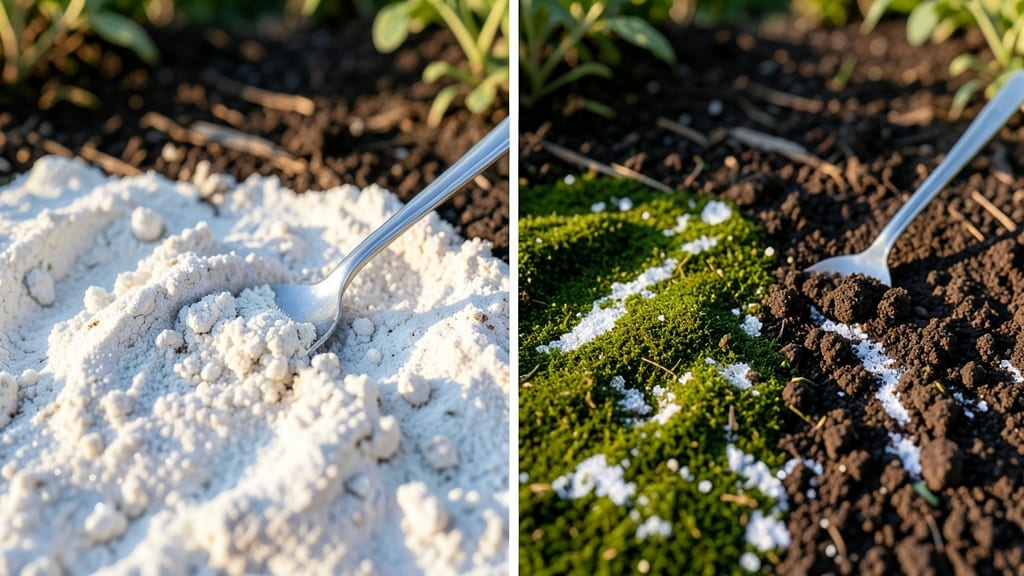
When the soil turned white, it’s not just an eyesore—it’s a warning sign that could mean fungal growth, salt buildup, or even chemical overuse. 🌱 I’ve seen this happen after heavy fertilizer use, poor drainage, or when mold takes over, and the good news is that neem oil can often bring it back to life.
The key is identifying whether it’s harmless chalky residue or something more serious that needs immediate action.
The most common culprits are mold spores (which spread like wildfire in damp soil), salt deposits from hard water or over-fertilizing, or even lime residue from soil amendments. You’ll know it’s a problem if the white layer feels powdery, smells musty, or your plants start looking stressed.
The first step is testing your soil—because not all white soil is bad, but all bad white soil needs fixing.
Neem oil is your secret weapon here. It’s a natural fungicide that breaks down mold and prevents future outbreaks while improving soil structure. Mix it with water, apply it to the affected area, and let it work its magic over a few days.
Within a week, you’ll see healthier soil and plants that aren’t struggling to thrive anymore.
This method works for garden beds, potted plants, and even lawns—just adjust the concentration based on how severe the issue is. The best part? You’re not just masking the problem; you’re restoring soil health for the long term. Let’s get that soil back to its rich, dark self.
Root Causes of Pale Soil
When your garden soil takes on an eerie white cast, it’s often a sign that something’s disrupting the natural balance beneath your plants. While it might look like a simple aesthetic issue, the science behind it is fascinating—and sometimes alarming.
Let’s break down the most common reasons your soil is turning white, from microscopic invaders to environmental shifts.
Fungi like powdery mildew, sclerotia (hard fungal survival structures), or mold can coat soil particles with a white, powdery film. These organisms thrive in moist, shaded conditions and break down organic matter, leaving behind a chalky residue.
In extreme cases, fungal spores can even form visible webs or crusts on the surface.
🔬 How to spot it:
- White, fuzzy patches (like cotton candy) on soil or plant stems.
- Musty or damp odors near affected areas.
- Plants showing yellowing leaves or stunted growth.
💡 Pro tip: Fungal growth often worsens after heavy watering or poor drainage. If your soil stays soggy for days, fungi get the upper hand.
Excessive salts—from fertilizers, irrigation water, or even tap water—can accumulate in the soil over time. When water evaporates, these salts crystallize on the surface, creating a white, salty crust. This is especially common in arid climates or when using hard water for gardening.
🔬 How to spot it:
- A white, gritty layer on the soil surface (like table salt granules).
- Plants wilting despite adequate watering (salts disrupt water absorption).
- Soil pulling away from pots or clumping in hard chunks.
💡 Pro tip: If you notice white residue around plant pots or in cracks, your water source might be high in minerals. Test your water or switch to rainwater to reduce buildup.
Some soil-dwelling pests, like fungus gnats, white grubs, or aphids, leave behind white residues as they feed or excrete waste. For example:
- Fungus gnats lay eggs in moist soil, and their larvae create white, webby tunnels.
- Mealybugs excrete a sticky, white substance called honeydew, which can harden into a crust.
- Termites or ants may disturb soil and expose underlying minerals that oxidize into white patches.
🔬 How to spot it:
- Small, white larvae or insects crawling in the soil.
- Sticky residue on leaves or stems near the soil line.
- Hollow stems or chewed roots (signs of burrowing pests).
💡 Pro tip: Shake a handful of soil over dark paper—if you see tiny white worms or bugs, you’ve got an infestation. Act fast before they spread!
Certain minerals, like calcium carbonate (limestone), gypsum, or silica, can precipitate out of water and coat soil particles. This often happens in:
- Alkaline soils (high pH), where minerals like calcium dominate.
- Areas with hard water irrigation.
- Soil amended with too much lime or wood ash.
🔬 How to spot it:
- A white, chalky layer that doesn’t wash away easily.
- Soil that feels gritty or “dusty” to the touch.
- Plants struggling to absorb nutrients (common in highly alkaline conditions).
💡 Pro tip: If your soil tests high for pH (>7.5), mineral buildup is likely. A simple vinegar test (spritz soil with vinegar—fizzing = calcium carbonate) can confirm it.
Understanding the why behind your soil’s white transformation is the first step to fixing it. Whether it’s fungi, salts, pests, or minerals, each cause demands a targeted solution—starting with neem oil’s antifungal and soil-reviving powers.
Revive Your Soil Naturally Now
When your soil turns white—whether from fungal overgrowth, salt buildup, or poor drainage—it’s a sign your garden needs a reset. The good news? Neem oil and simple soil care can bring it back to life.
Below, we’ve mapped out practical, step-by-step solutions based on the root cause, plus prevention tips to keep your soil healthy long-term.
If your soil looks white and fuzzy, fungal spores are likely the culprit. Neem oil is a natural fungicide, but you’ll need to pair it with soil adjustments for lasting results.
🔥 Step 1: Remove Infected Plant Debris
- Why? Fungal spores thrive on dead leaves, roots, and organic matter.
- How? Pull up affected plants (or prune infected parts) and compost them separately—do not add them back to the soil.
Burn severe cases if possible. - Pro Tip: 💡 Wear gloves and dispose of debris in a sealed bag to prevent spore spread.
🍳 Step 2: Apply Neem Oil Fungicide
Neem oil disrupts fungal cell membranes and starves spores of nutrients.
- Mix: 1–2 tbsp neem oil + 1 tsp mild liquid soap (as an emulsifier) + 1 gallon of water.
- Spray: Drench the soil and surrounding foliage at dusk or dawn (avoid direct sunlight for 12 hours after application).
- Frequency: Repeat every 7–10 days for 3–4 weeks.
- Prevention: 🌡️ Store neem oil in a cool, dark place—heat degrades its potency.
👨🍳 Step 3: Improve Soil Aeration & Drainage
Fungi love compacted, waterlogged soil.
Fix it with: - Add organic matter: Mix in compost or coconut coir (2–3 inches deep) to loosen texture. - Raise beds (if needed): If drainage is poor, consider elevated planters or tilling in perlite/sand. - Mulch properly: Use straw or wood chips (not thick layers—keep it 1–2 inches) to block spores while allowing airflow.
⏰ Step 4: Adjust Watering Habits
Overwatering = fungal paradise.
- Water deeply but infrequently: Aim for 1 inch per week (check with a trowel—soil should be moist 2–3 inches down).
- Water in the morning to let foliage dry before night.
- Avoid overhead sprinklers: Use drip irrigation or soaker hoses instead.
If your soil has a white, chalky crust or feels gritty, excess salts (from tap water, fertilizers, or hard water runoff) are likely the issue.
🔥 Step 1: Flush the Soil
- Why? Salts accumulate in the top layer—rinsing washes them deeper or out of reach.
- How? Water the area heavily for 30–60 minutes, then let it drain completely.
Repeat 2–3 times over a week. - Pro Tip: 💡 Use rainwater or distilled water if your tap water is hard (high in minerals).
🍳 Step 2: Amend with Acidic Organic Matter
Salts raise pH—balance it with:
- Peat moss or pine needles (lower pH naturally).
- Sulfur or aluminum sulfate (follow package rates—test soil first!).
- Compost tea (brewed from worm castings) to introduce beneficial microbes.
👨🍳 Step 3: Choose Salt-Tolerant Plants (Temporarily)
While you fix the soil, opt for native or drought-resistant plants like:
- Succulents (e.g., sedum, echeveria)
- Ornamental grasses (e.g., fountain grass)
- Lavender or rosemary (herbs that thrive in slightly alkaline conditions)
✨ Prevention: Monitor & Maintain
- Test soil annually with a pH test kit (ideal range: 6.0–7.0 for most plants).
- Use filtered water for potted plants or irrigation.
- Avoid over-fertilizing—stick to organic, slow-release fertilizers.
If your soil stays soggy and develops a white, gummy residue, it’s likely mineral buildup from poor drainage or gypsum/salt accumulation.
🔪 Step 1: Dig & Loosen the Soil
- Why? Compacted soil traps water and minerals.
- How? Use a garden fork to break up the top 6–12 inches of soil.
Add: - 50% sand or perlite (for grit) - 50% compost or coconut coir (for structure) - Pro Tip: 🎯 For heavy clay soil, mix in gypsum (calcium sulfate) to help break up particles.
🌱 Step 2: Install Drainage Solutions
- For in-ground beds: Create a slight slope (1–2 inches per foot) away from structures.
- For containers: Drill drainage holes and add a layer of gravel at the bottom.
- For waterlogged spots: Install French drains or swales (shallow trenches) to redirect water.
🍎 Step 3: Plant Deep-Rooted Cover Crops
- Why? Plants like clover, alfalfa, or deep taproots (e.g., comfrey) break up compacted soil as they grow.
- How? Sow seeds in fall or early spring, let them grow for 3–4 months, then till them back into the soil.
🔄 Prevention: Keep It Aerated
- Aerate annually with a manual aerator or chicken tilling (yes, chickens help!).
- Avoid walking on garden beds—compacted paths = poor drainage nearby.
- Rotate crops every 2–3 years to prevent fungal buildup.
- Solarize soil in summer: Cover with clear plastic for 4–6 weeks to kill pathogens.
- Use neem oil preventatively: Apply once a month during growing season as a soil drench (1 tbsp per gallon of water).
- Test before treating: A simple soil test kit ($10–$20) saves time and money by pinpointing exact issues.
Remember: Patience is key—soil revival takes 4–8 weeks of consistent care. But with neem oil, proper amendments, and smart watering, your garden will bounce back stronger than ever! 🌱💚
Frequently asked questions
Is white soil always a sign of a problem?
Not necessarily! Some white soil is harmless, like calcium carbonate deposits from hard water or natural mineral deposits in alkaline areas. However, if it's fuzzy, smells musty, or your plants look stressed, it’s likely fungal growth or salt buildup that needs attention. Always check for plant symptoms first.
How do I tell if white soil is mold vs. salt deposits?
Mold appears fuzzy or powdery (like cotton candy) and often has a musty smell, while salt deposits look gritty and crystalline, like table salt granules. Test with water: If the white layer washes away easily, it’s likely salts. If it lingers or grows back, it’s probably fungal.
Can neem oil fix salt buildup in soil?
Neem oil is best for fungal issues, but it won’t dissolve salt deposits. For salts, you’ll need to flush the soil with rainwater and amend with acidic organic matter like peat moss. Neem oil can still help prevent future fungal outbreaks while you address the salts.
Will my plants recover if I fix the white soil?
Yes! Once you remove the cause (fungi, salts, or pests) and improve drainage, most plants bounce back within 4–8 weeks. Start by pruning damaged roots, applying neem oil, and adjusting watering habits. Monitor progress—healthy roots and leaves will return as the soil recovers.
How often should I use neem oil on soil?
For active fungal issues, apply every 7–10 days for 3–4 weeks. As prevention, a monthly soil drench (1 tbsp per gallon of water) keeps spores at bay. Always store neem oil in a cool, dark place to preserve its potency.