
Vegetables
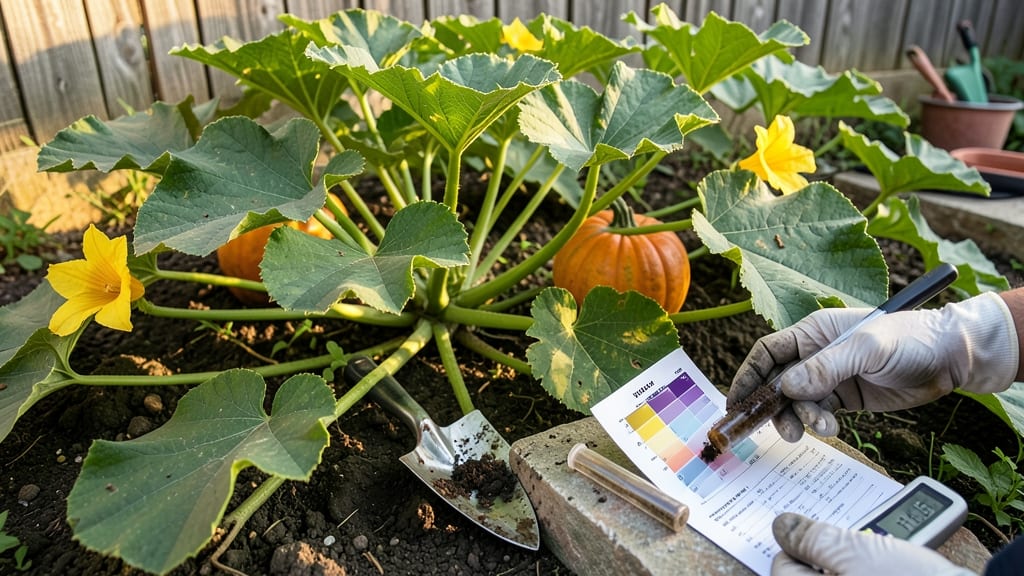
A soil test for pumpkins should evaluate pH levels (6.0–6.8 ideal), organic matter (3–5%), and nutrient balance, especially nitrogen, phosphorus, and potassium. Conduct tests before planting to ensure optimal conditions for vine growth and fruit development.
A well-balanced soil test for pumpkins isn't just about numbers—it's about creating the perfect foundation for those massive vines and heavy fruits. 🌱 Pumpkins thrive when soil pH stays in that sweet spot of 6.0–6.8, because anything too acidic or alkaline makes plants struggle to absorb essential nutrients.
I've seen firsthand how even a slightly off pH can lead to stunted growth or poor fruit quality. The organic matter percentage (3–5%) acts like a sponge, holding moisture while providing slow-release nutrients that keep plants fed throughout their long growing season.
What's interesting is how these factors work together—like a well-oiled machine. For instance, while nitrogen fuels leafy vine growth, phosphorus and potassium are the secret weapons for strong roots and fruit development. 💡 Without proper testing, you might over-fertilize with nitrogen, ending up with lush vines but small pumpkins.
That's why I always recommend testing before planting—it's the difference between a disappointing harvest and a pumpkin patch full of winners.
💡 In This Article
- Key Soil Requirements for Healthy Pumpkin Growth
- Step-by-Step Guide to Testing and Amending Pumpkin Soil
Key soil requirements for healthy pumpkin growth
Pumpkins are heavy feeders that demand a precise soil environment to thrive. The pH level between 6.0–6.8 is critical because it ensures optimal nutrient availability.
At this neutral-to-slightly acidic range, pumpkins can efficiently absorb macronutrients like nitrogen (N), phosphorus (P), and potassium (K), which directly impact vine growth and fruit development.
For example, if soil pH drops below 5.5, phosphorus becomes locked in the soil, starving roots of this essential nutrient needed for strong root systems and energy transfer to developing pumpkins.
Organic matter plays an equally vital role by improving soil structure and microbial activity. Aim for 3–5% organic matter—this creates a loose, well-aerated growing medium that prevents compaction while retaining moisture.
Think of it like a sponge: soils with 2% organic matter or less often dry out quickly, while those exceeding 6% can become waterlogged, both of which stress pumpkin plants.
The microbial life in organic-rich soils also breaks down nutrients into forms pumpkins can use, creating a self-sustaining ecosystem that reduces fertilizer runoff.
Nutrient deficiencies reveal themselves in dramatic ways. Too little nitrogen (0.5% or less) results in yellowing leaves (chlorosis) and stunted vines, while excess nitrogen (1%+) produces lush foliage but weak stems that can't support heavy fruit.
Phosphorus deficiencies (20 ppm or less) show as dark green leaves with purple stems, while potassium deficiencies (100 ppm or less) cause weak stems and poor disease resistance.
I've seen pumpkin patches where growers over-fertilized with nitrogen, only to harvest small, misshapen fruits because the plants couldn't support their own weight.
Disease resistance also hinges on proper soil balance. Pumpkins grown in slightly acidic soils (pH 6.0–6.5) show better resistance to fungal diseases like powdery mildew, which thrives in alkaline conditions. The right organic matter level also suppresses harmful pathogens by promoting beneficial microbes that outcompete disease-causing organisms.
This is why professional growers often amend soil with composted manure or well-rotted leaf mold—not just for nutrients, but for this biological protection.
Consider this analogy: A pumpkin plant is like a skyscraper. The soil pH and organic matter are the foundation—if it's unstable, the whole structure collapses. Nitrogen is the steel framework (supporting growth), phosphorus is the concrete (strengthening roots), and potassium is the glass windows (maintaining health).
When all three are balanced, you get that 100-pound giant pumpkin everyone dreams of, not a sad 10-pound specimen. 🌟