How To
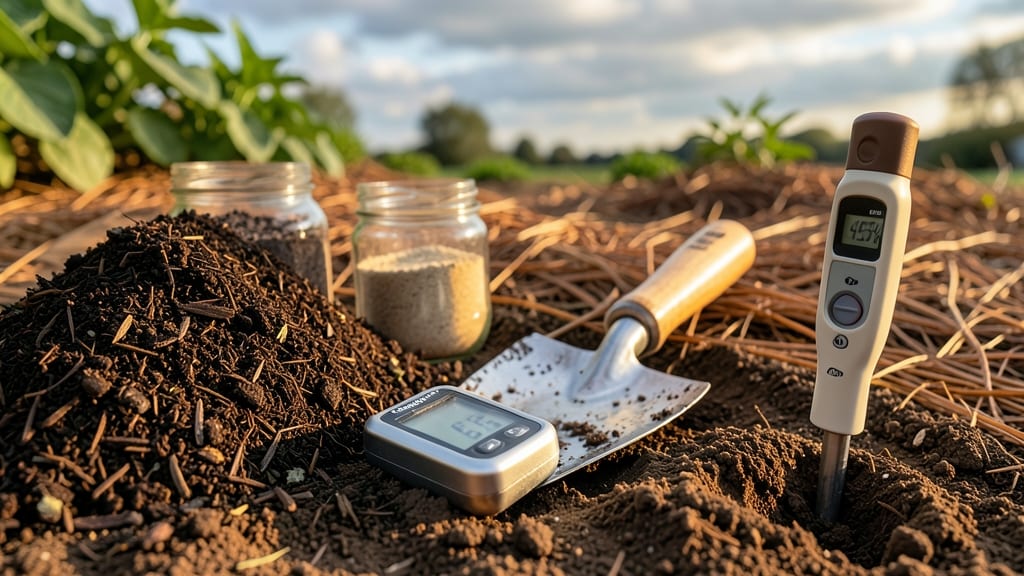
North Carolina's soil varies dramatically across regions, from dense clay-heavy loam in the Piedmont to sandy loam in the Coastal Plain and nutrient-rich mountain soils. To maximize plant health, test your soil's pH (ideal range: 5.5–6.5) and improve it with compost or organic matter for better drainage and fertility.
Understanding your region's soil type is key to successful gardening in North Carolina. 🌱 The Piedmont's clay soils retain moisture but can become compacted, while Coastal Plain's sandy soils drain quickly but lack nutrients. Mountain soils, often rocky with high organic content, thrive with acidic-loving plants like blueberries.
I always recommend testing soil every 2-3 years, especially after heavy rains or droughts, since these conditions drastically alter pH and nutrient levels. For clay-heavy areas, mixing in pine bark fines improves aeration, while sandy soils benefit most from composted leaf mold to retain moisture and nutrients.
What's interesting is how these soil differences affect plant selection. Azaleas and rhododendrons flourish in the acidic mountain soils, while peanuts and sweet potatoes prefer the sandy Coastal Plain. The Piedmont's clay soils are perfect for tomatoes and peppers when properly amended.
My go-to amendment is a mix of well-aged compost and worm castings, which I spread 2-3 inches deep and work into the top 6 inches of soil before planting. This approach has given me the best results across all three regions.
💡 In This Article
- NC Soil Types: Piedmont vs Coastal Plain vs Mountains
- Best Soil Amendments for NC Gardens by Region
NC soil types: Piedmont vs Coastal Plain vs mountains
North Carolina's diverse geography creates three distinct soil profiles shaped by millions of years of geological activity. The Piedmont region's clay-heavy loam formed from ancient granite bedrock weathering, creating a dense, nutrient-rich but slow-draining soil.
This texture comes from the breakdown of feldspar minerals into clay particles (25-40% clay content), which gives the soil its signature sticky quality when wet.
The Coastal Plain, meanwhile, developed from marine sediments deposited over millennia, resulting in sandy loam with only 5-15% clay and 70-80% sand particles that drain water at alarming speeds.
Mountain soils tell a different story—these rocky, acidic soils (pH 4.5-5.5) formed from decomposed granite and organic matter like fallen leaves and pine needles. The high organic content (10-20%) gives them a spongy texture that retains moisture while providing ideal conditions for acid-loving plants.
What's fascinating is how these soils develop: the Appalachian Mountains' steep slopes prevent erosion, allowing organic matter to accumulate over centuries. In contrast, the flat Coastal Plain loses nutrients through leaching, requiring regular amendments to maintain fertility.
The drainage differences between these regions create distinct gardening challenges. Piedmont's clay soils can become waterlogged after heavy rains, while Coastal Plain's sandy soils dry out within days during summer droughts. Mountain soils strike a balance but often lack phosphorus, which is crucial for root development.
I've seen firsthand how these differences affect plant health: blueberries thrive in mountain soils but struggle in the alkaline Coastal Plain, while sweet potatoes grow vigorously in sandy soils but rot in Piedmont's heavy clay without proper mounding.
Climate plays a surprising role in soil development too. The Piedmont's humid subtropical climate accelerates weathering, creating more clay particles, while the Coastal Plain's warmer temperatures speed up organic matter decomposition. Mountain regions experience cooler temperatures that slow decomposition, preserving organic matter longer.
This is why mountain soils often have visible layers of partially decomposed leaves and pine needles—nature's slow composting process at work.
For gardeners, understanding these regional differences means selecting plants that match your soil's natural characteristics. The Piedmont's clay soils are perfect for moisture-loving plants like okra and sweet corn, while Coastal Plain's sandy soils suit drought-tolerant crops like peanuts and watermelons.
Mountain soils excel with acid-loving shrubs and evergreens. The key is working with your soil's natural tendencies rather than fighting them—amending rather than completely transforming the soil structure.
Here's what I've learned from years of testing NC soils: the Piedmont's clay can be improved with 2-3 inches of compost mixed into the top 6 inches, while Coastal Plain sands benefit most from 1 inch of composted leaf mold spread annually.
Mountain soils often need pine fines to improve drainage while maintaining acidity. The common thread? All three regions respond best to organic amendments that mimic natural soil-building processes.